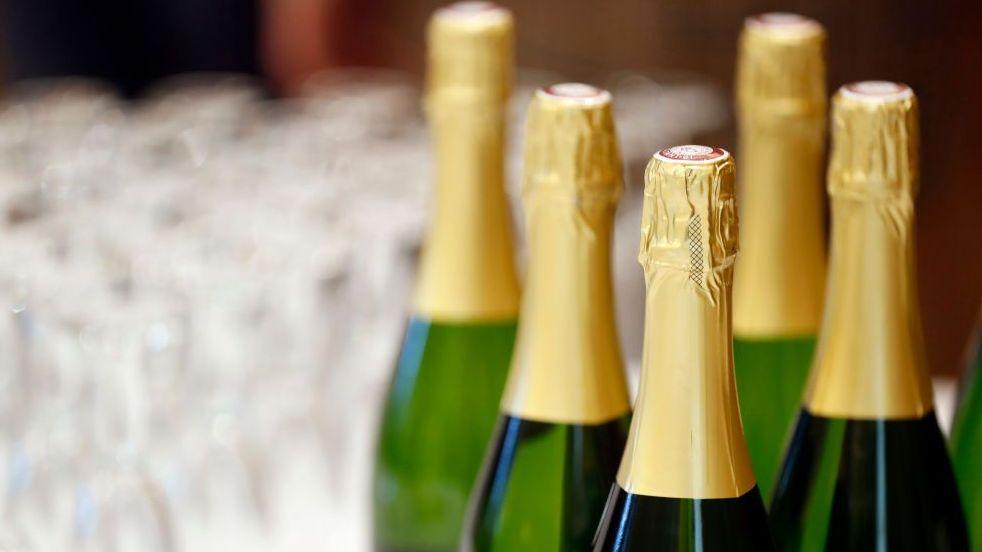
This summer’s unprecedented heatwave hit France’s Champagne region with temperatures that surpassed the historical record, triggering an unusually early harvest and pushing grape sugar levels beyond typical ranges.
The surge in sugar is converted to alcohol during fermentation, and as a result, winemakers have been approved to temporarily raise the regulatory alcohol cap from 13% to 15% for this year’s bottles. The Comité Champagne confirmed that only a handful of lots will reach about 13.1–13.2%, and so the higher limit will only apply to those cases that exceed the traditional threshold.
Industry reaction – Producers such as Stéphane Vignon of Verzenay said the Mediterranean climate is inching north, marking the first of a new cycle that could become the norm in 10‑15 years. Jane Anson, a Bordeaux‑based wine columnist, cautioned that a higher‑strength product may not offer a marketing advantage, noting that consumers trend toward lower‑alcohol beverages.
Because Champagne must age at least 15 months, the 2026 vintage is expected to reach shelves only in 2028, giving distributors and retailers a buffer to adapt their inventories.
From a climate‑science perspective, the region’s first‑ever early harvest is a harbinger of future harvest timing changes, driven by an intensification of spring frosts, rapid flower development and multiple summer heatwaves. Maxime Toubart, co‑chair of the Comité, said such unusual conditions will likely repeat as global temperatures climb two to three degrees over the coming decades.
International bodies, including the Copernicus Climate Service, underline that Europe warms twice as fast as the global average, making heatwaves more frequent and severe. These shifts challenge established agricultural practices and could ripple through the global wine trade, prompting changes in branding, export regulations and cross‑border supply chains.
For consumers, the question is whether a heavier, higher‑alcohol Champagne will gain a foothold or whether market preference will continue to favour lighter, lower‑strength alternatives. The temporary lift in legal limits provides a real‑world test of how climatic extremes will shape taste profiles and commercial viability in the forthcoming decade.