Heavy Rain in Nepal Traps Relief Vehicles, Delaying Aid
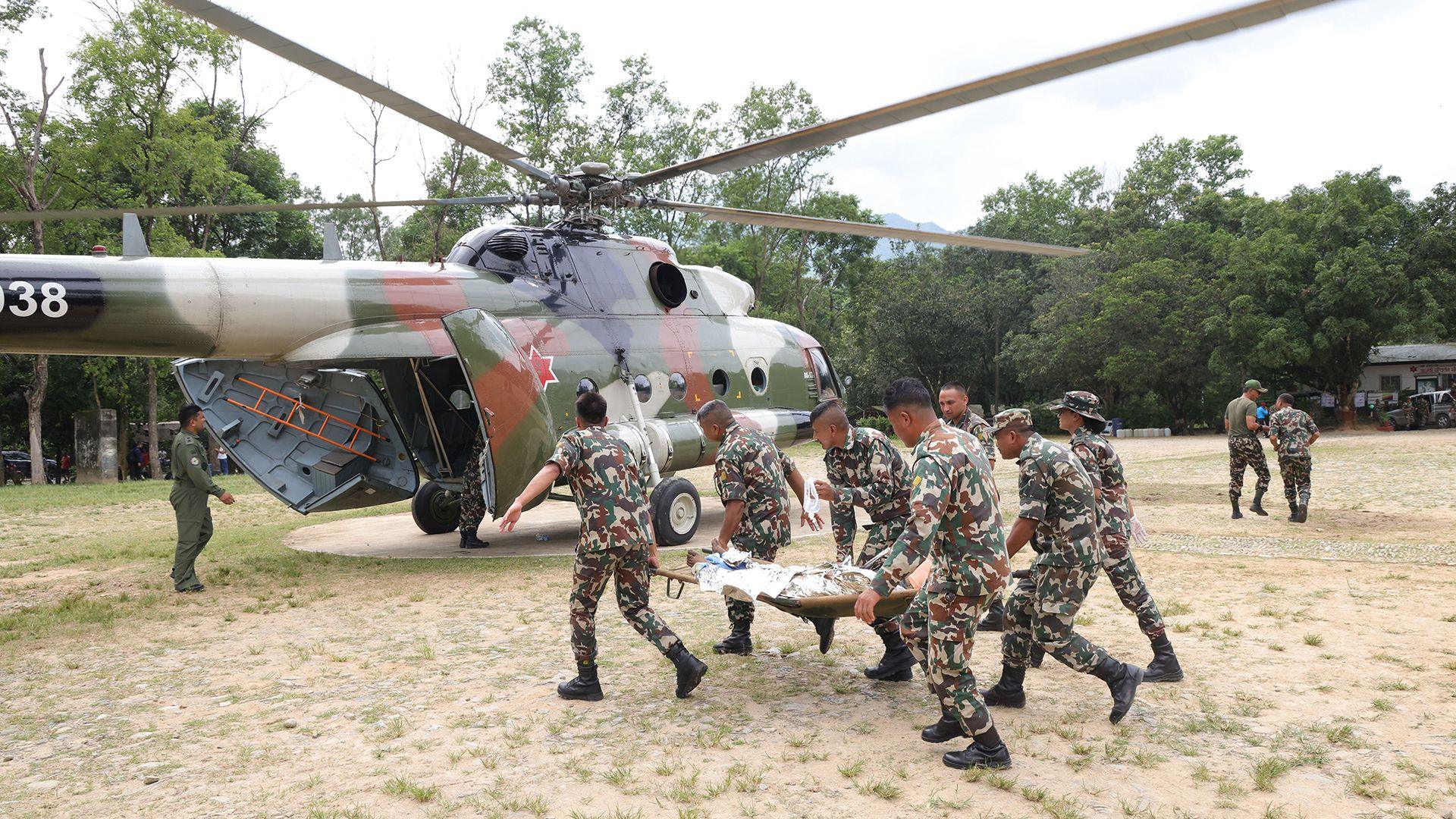
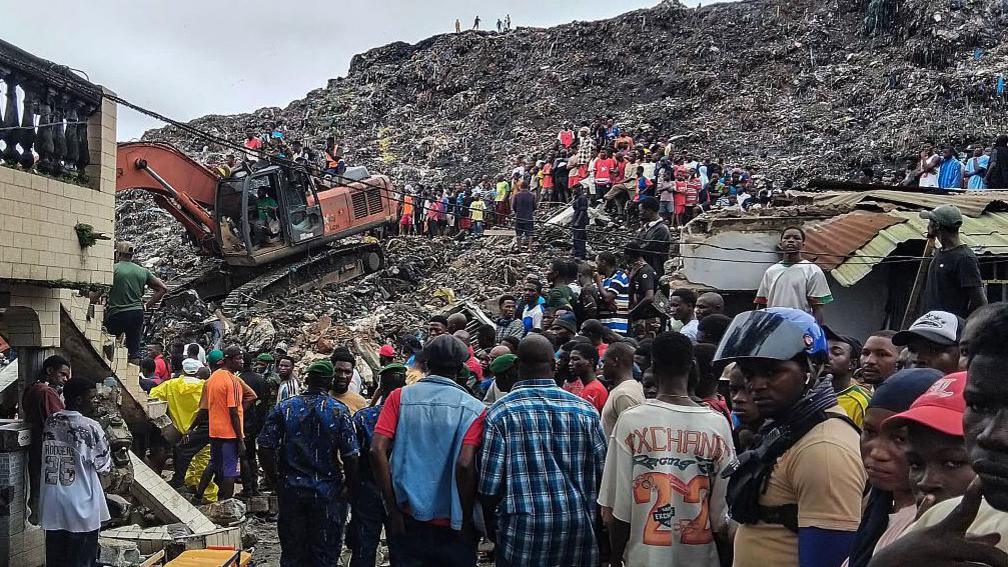
Cyclonic rains, which have battered the Nepalese western highlands for the past week, have turned once‑stable roads into slippery mud‑slick pathways. Despite the best efforts of local authorities and international aid organisations, several heavy‑machineed relief trucks are now stranded, unable to reach the communities that need medical supplies, food and clean water.
The main issue centres on the sudden saturation of the ground and the overrun of a network of unpaved routes used by relief convoys. In the past 48 hours, water levels have risen dramatically in valleys that were already flood‑prone, creating impassable washouts.
As a result, local health posts, orphanages and food aid distribution centres have reported delays in receiving supplies, and residents are increasingly concerned about the lack of resources for the coming days. Some villages have already been cut off, with households forced to make alternative arrangements for food and medicine.
Responders are calling for rapid engineering support, including temporary bridge construction and the use of all‑terrain vehicles, to navigate the muddy terrain. Other measures such as pre‑planned evacuation routes and real‑time weather monitoring are also being emphasised to avoid further disruptions.
This incident emphasises the vulnerability of Nepal’s infrastructure to extreme weather—and the growing need for resilient transport networks that can cope with the impacts of climate change. While the flood situation is still evolving, relief agencies and government officials are coordinating closely to secure alternate delivery methods and to launch road‑de‑souring operations.