In brief
The Hungarian parliament has repealed a controversial 2021 child protection law that criminalised the portrayal or promotion of homosexuality and transgenderism. The move signals a partial rollback of Viktor Orbán’s hard‑line policies by the ruling Tisza coalition under Prime Minister Péter Magyar. While the change is welcomed by LGBTQ and human‑rights advocates, the new government has not yet tackled broader issues such as same‑sex marriage, adoption rights or name‑change protections for transgender people. The reform coincides with the release of €4.2 billion of EU funds that had been frozen during the previous administration and the readmission of Hungary to key EU programmes.
In a landmark decision, the Hungarian parliament voted to amend the 2021 child protection law that had banned the portrayal or promotion of homosexuality and transgenderism, effectively scrapping the measure that had been a cornerstone of Viktor Orbán’s hard‑line campaign against LGBTQ people.
The law, which was introduced by the former ruling Fidesz party, had far‑reaching effects on education, media and assembly rights, limiting the ability of teachers, parents and artists to discuss or display LGBTQ content. The new legislation removes these restrictions and restores the legality of such content.
Since Orbán’s defeat in the April election, his challenger Péter Magyar’s Tisza party has worked to dismantle the previous regime’s legacy. The amendments were part of a broader package of reforms aimed at reversing Fidesz’s socially conservative laws while positioning the country more firmly within EU norms.
Soon after the vote, Budapest announced that the European Union had agreed to release €4.2 billion of funds that had been frozen during the former administration, a move that the European Commission described as a response to the Magyar government’s compliance with rule‑of‑law standards and the unlocking of funds for programs such as Erasmus+ and Horizon Europe.
The repeal also clarifies that schools and media can again include LGBTQ themes without legal risk, reversing a punitive cycle that had discouraged discussion of sexual diversity. However, activists note that this is only the first step, and further reforms are required to address other inherited measures.
“We are very happy that this got adopted,” said Tamás Dombos of the civil‑rights group Háttér, “We’ve been fighting this so‑called child protection law for five years. Most of the issues have now been fixed.”
While both the previous Fidesz government and the current Tisza administration used child protection as a rallying point, their approaches diverged. Orbán framed gay and transgender people as threats to public morals, whereas Magyar’s stance is more pragmatic, focusing on removing discriminatory provisions while avoiding overt advocacy for full equality to maintain political stability.
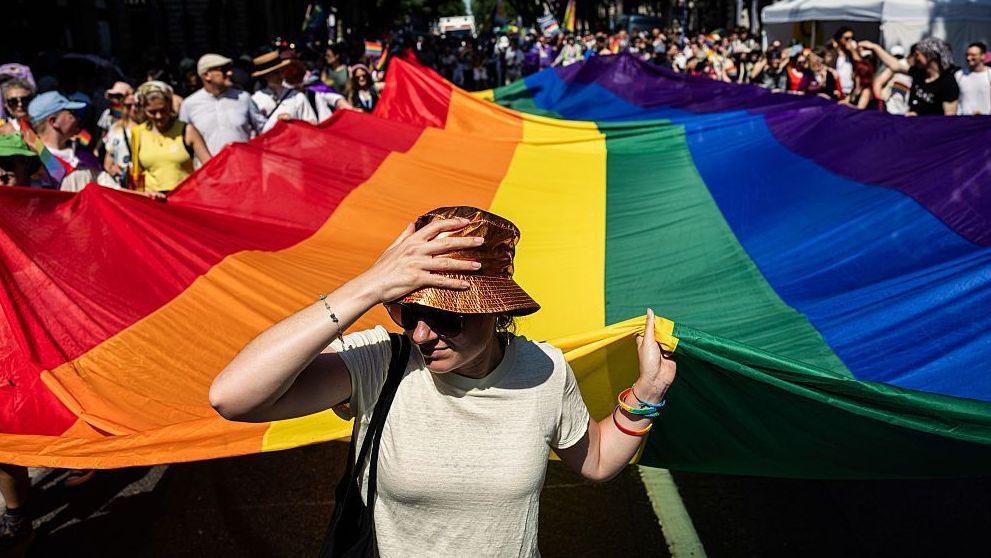
The reforms arrive in the wake of Budapest’s 2025 Pride march, which took place without official restrictions after the government’s earlier promise to ban it. The march drew an estimated quarter of a million participants, underscoring the resilience of the LGBTQ community and the growing public support for inclusive policies.
The new law is a “major improvement” for the community, the Háttér spokesperson added, but activists still push for comprehensive change, including recognition of same‑sex marriage, adoption rights for same‑sex couples and the ability for transgender people to change their names on official documents.
Despite the forward‑looking legislation, Fidesz and the Christian Democrats on the opposition side opposed the repeal, arguing that “there is no place for the promotion of LGBTQ content in schools or the media.” Their statement highlights the ongoing political divide between parties over the treatment of sexual minorities in Hungary.