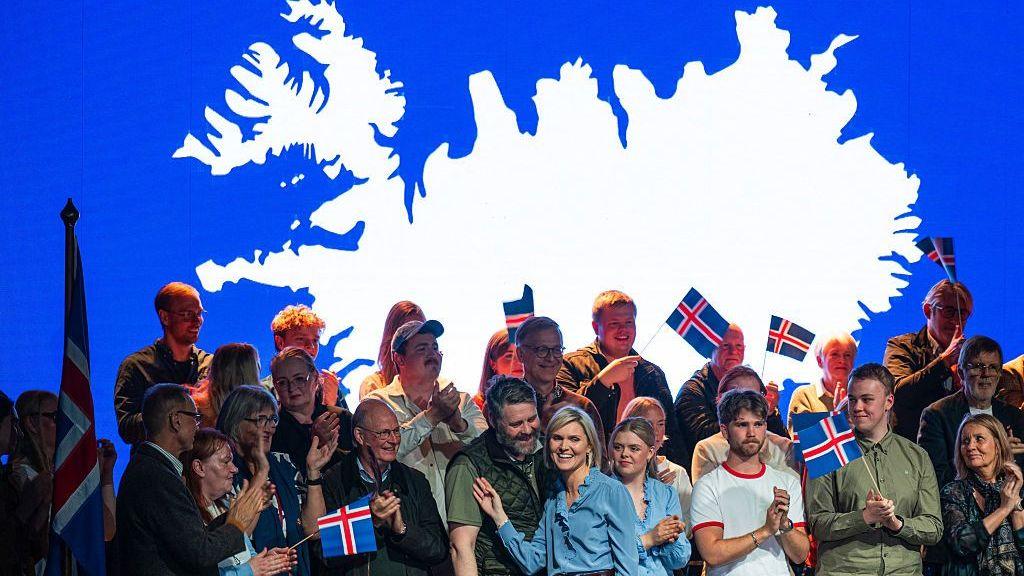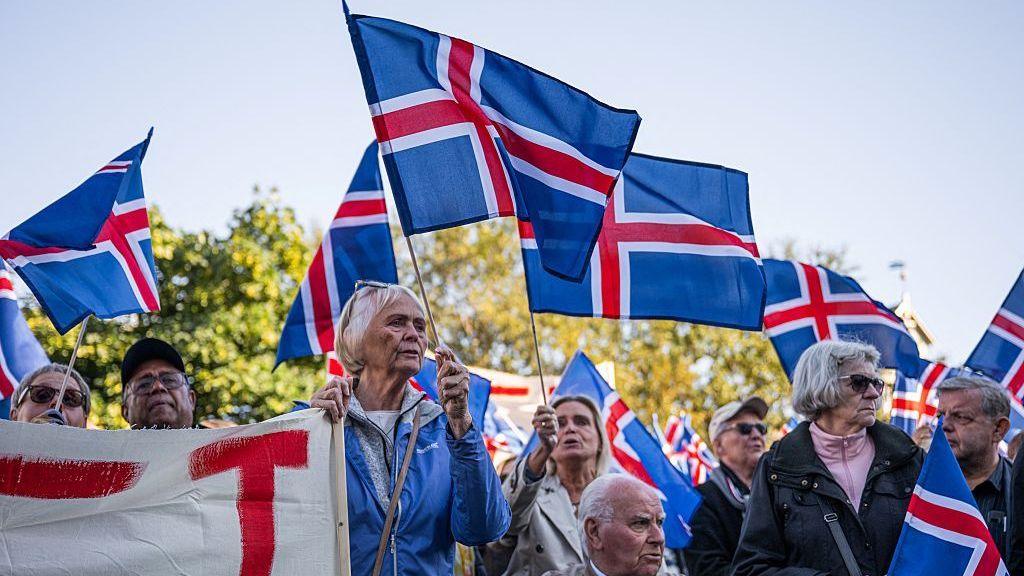
Icelanders went to the polls this weekend on a question that could shape the country's future: should the nation resume negotiations for European Union membership after a twelve‑year pause?
The final outcome is expected to be a close one. Recent polling data shows the No side holding a slight advantage of 51.6 per cent, while earlier surveys had favoured the Yes camp. Such a split reflects the power of the issue – what was to be decided rests on Iceland’s cherished fishing industry, its desire for self‑governance, and a belief that EU integration could lower high interest rates and inflation.
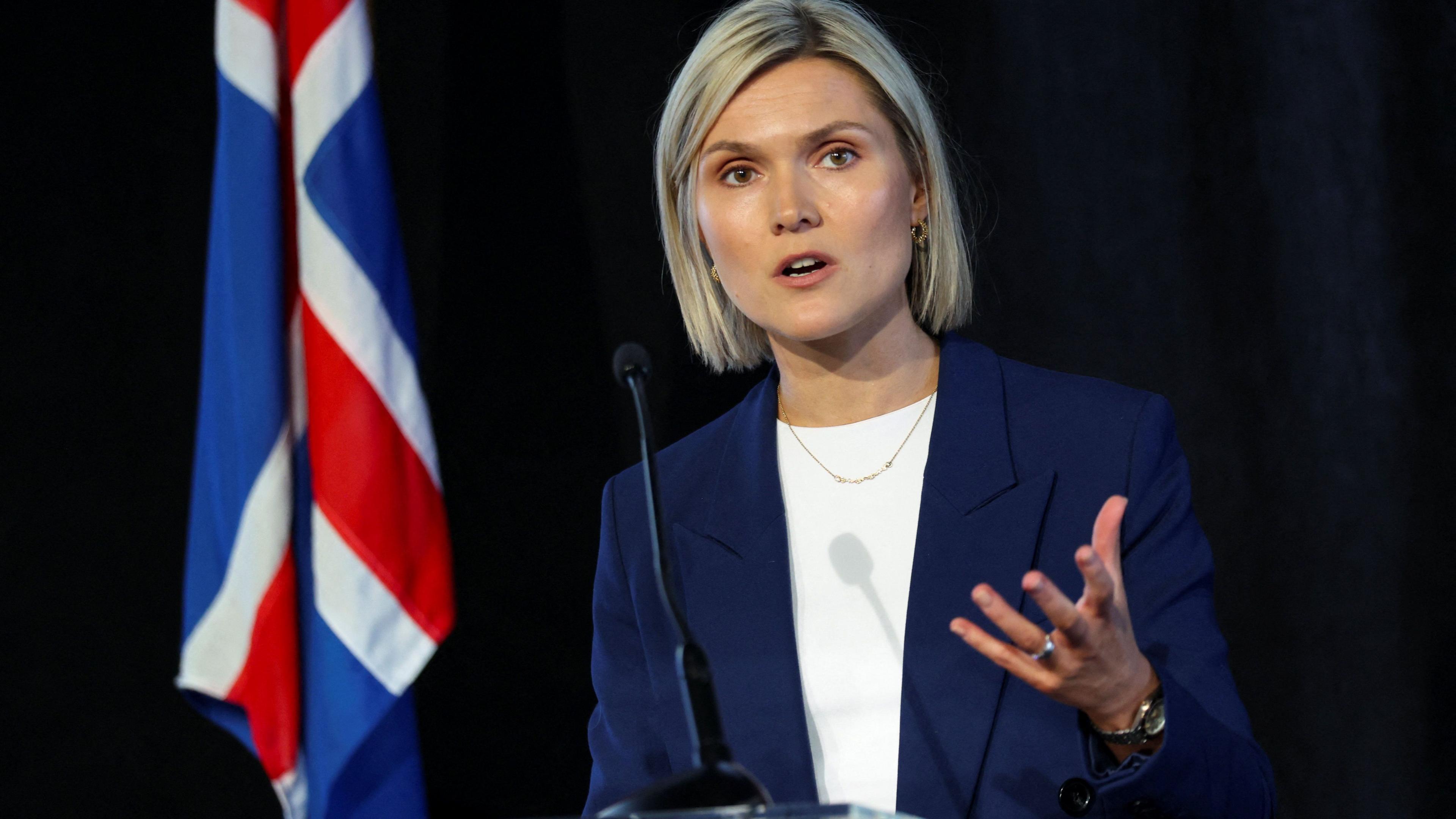
Deputy Prime Minister Kristrún Frostadóttir argued that Iceland already enjoys a high level of integration with the EU through the European Economic Area. Yet accession would push the nation into the customs union and, ultimately, the euro. A Yes vote would not commit Iceland to membership outright; it would unblock a negotiating framework, but a second referendum would be required to ratify any final contract, amend the constitution, and obtain approval from all 27 EU states.
Fisheries remain the most contentious issue. The Icelandic No campaign has warned that the Common Fisheries Policy could erode the country’s control over its own waters – a concern that traces back to the 1970s Cod Wars with Britain. Although Brussels has suggested that Iceland could receive a special exemption on fisheries, many Icelanders still see this as a massive hurdle. The campaign named “Yes to See” urges voters to first understand the full terms of a potential deal before making a final decision.
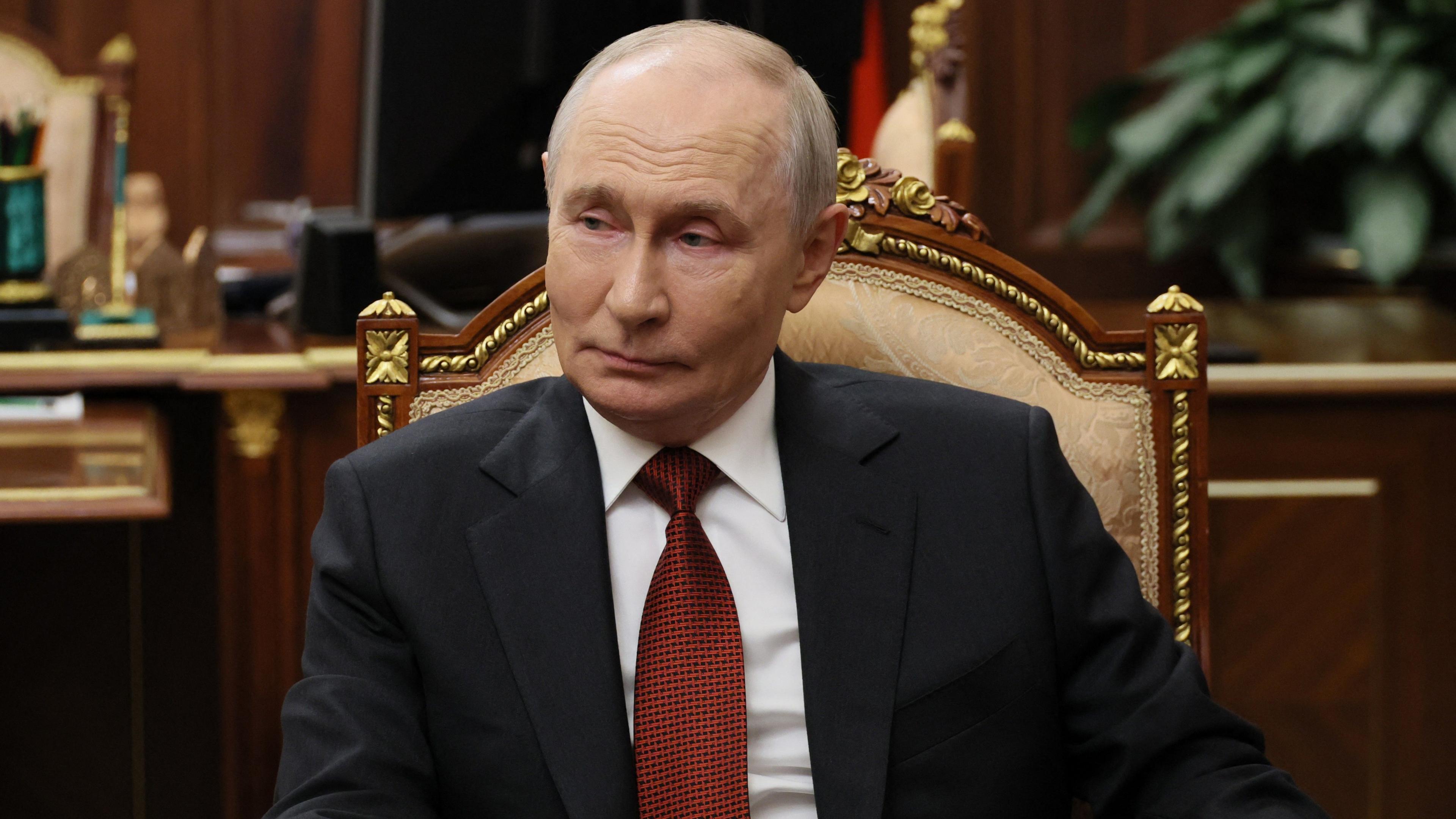
Security considerations also play a role. Iceland hosts a NATO defence agreement with the United States, dating back to 1951, and has no standing army. The No side argues the country’s security is anchored in NATO and US support, and that EU membership would not replace NATO. With Russia’s heightened naval activity near Iceland in recent years, some Icelanders are wary of any potential shift in defence alliances.
The televised debate between the Yes and No campaign teams set the tone for public discourse. Prime Minister Frostadóttir portrayed potential membership as a risk‑reduction step that would leave the country’s choices intact. Opposition leader Guðrún Hafsteinsdóttir meanwhile framed the referendum as a question about sovereignty – whether Iceland would grant EU decision‑making powers over fisheries, agriculture and natural resources. Discussions about geopolitics and defence were described as “lower on the agenda” compared to the fishing debate, according to a local think‑tank.
With the counting set to finish in the early hours of Sunday, the nation watches closely to see whether a narrow margin will lead Iceland to a new chapter within Europe or preserve its autonomy as it has enjoyed since the 1944 independence from Denmark.