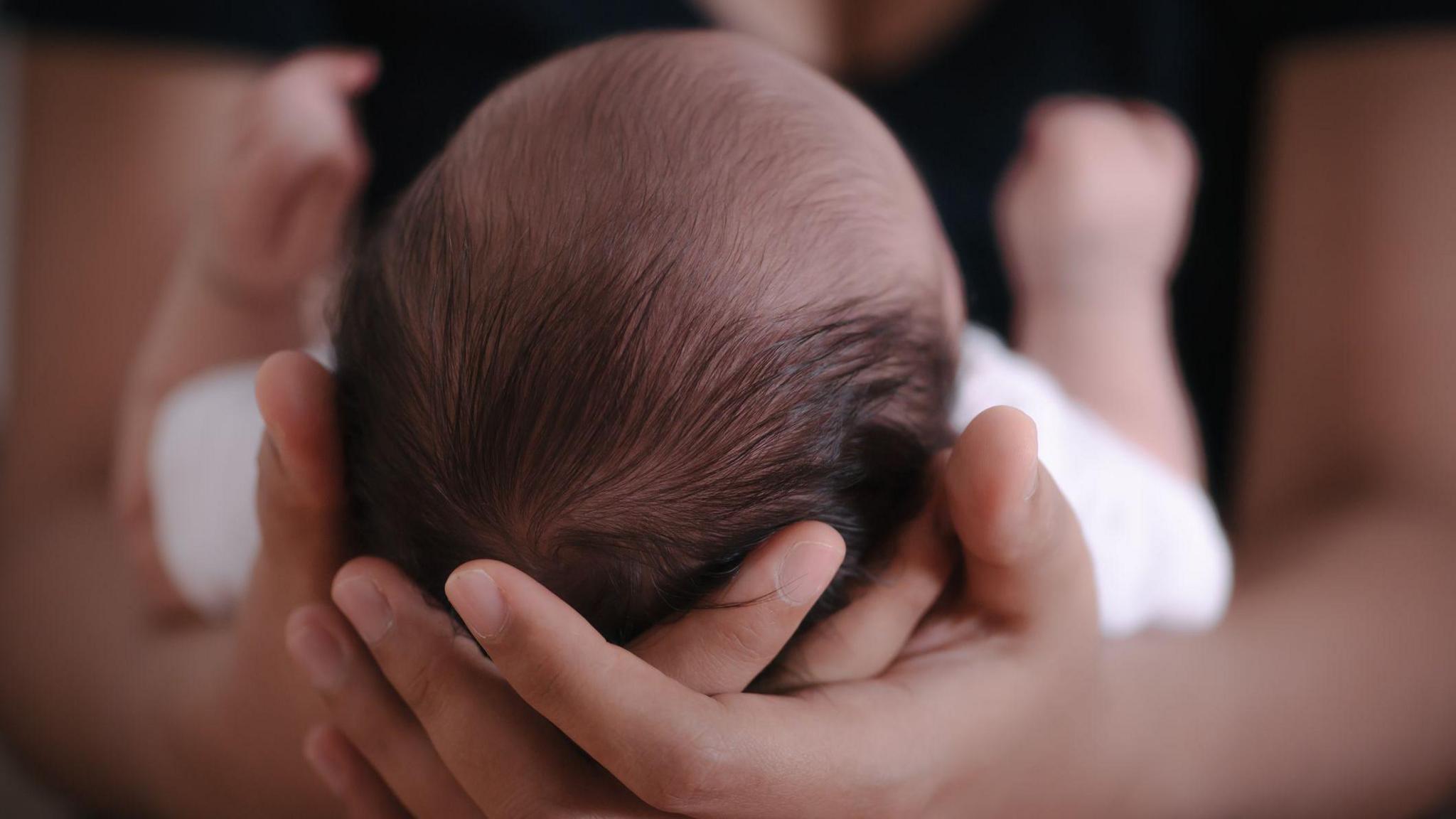
Indonesian Babies Trafficked to Singapore: What Happens to Them Now?
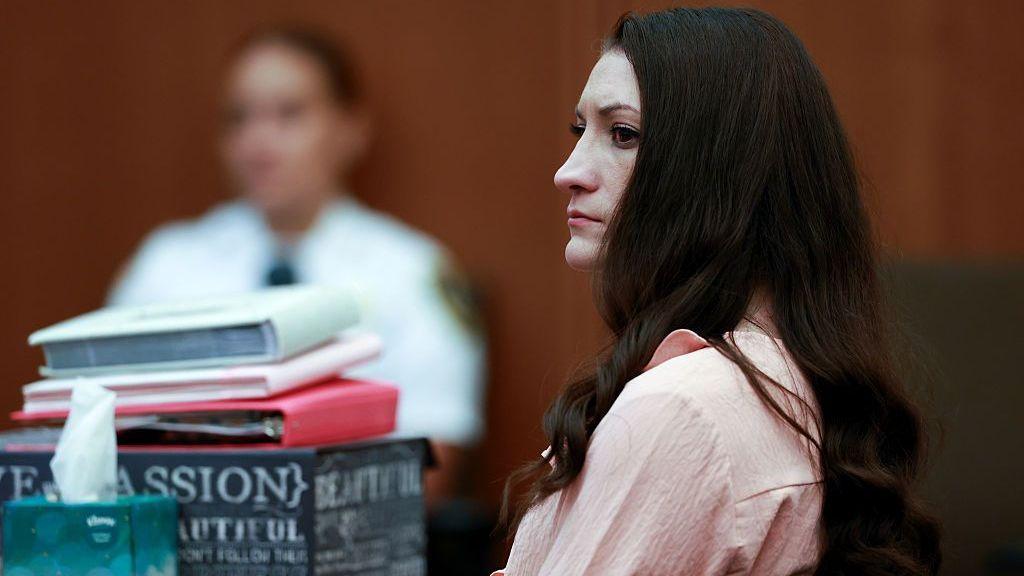
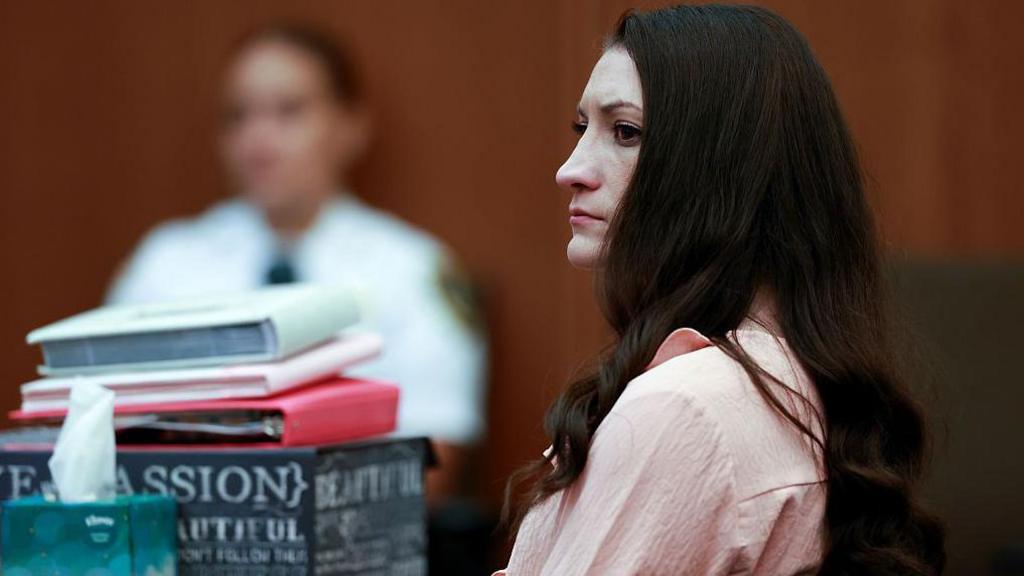
An Indonesian court has convicted 19 people for running a trafficking ring that procured at least 34 babies and sold them for adoption. Many of the children were sent to Singapore, where at least 12 infants have already been adopted.
The case drew international attention for months. With the legal saga concluded in Indonesia, a new question has surfaced: what will happen to the babies now living in Singapore?
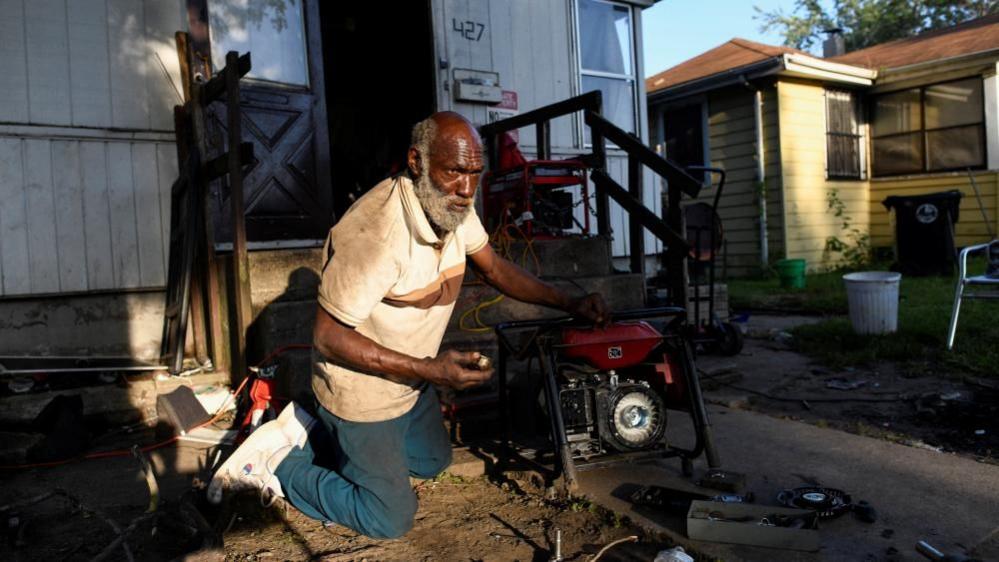
Adoptive parents in Singapore have lived in constant uncertainty for the past year, waiting to learn whether they will keep custody of their children or face a return. A father—who prefers to remain anonymous—expressed his anxieties and hopes for a swift decision.
“Since the case is concluded, how can we move on and what will happen to our son? It’s been almost a year of fear and anxiety,” David told us.
“I sincerely hope that both authorities can come to a decision based on the best interests of the children.”
Prior to the verdict, Philippine officials had not provided a definitive plan for the children. Indonesian foreign affairs officials said that the children’s legal status, biological parents, and ongoing Singapore proceedings all require further examination. Singapore authorities have yet to reply.
Legal Uncertainties
If the Singapore government chooses to cancel the adoptions, the law there deems such orders final and rarely reversible. Lawyers explain that revocation would involve complex legal and psychological considerations, such as the children’s age, duration of stay, living conditions, and the authenticity of the adoption documents.
The babies’ birth certificates, certifying members of the trafficking ring as mothers, were found to be fraudulent. This casts doubt on the validity of their adoptions.
The legal system must balance protecting the children, respecting their adopted families’ bond, and ensuring the biological families—if found—can be reconnected. In Indonesia, lack of records often means many children lack named biological parents, risking placement in state care rather than with a known family.
The Human Element
Victim advocates argue that the children should be returned to Indonesia. Yet, some claim that a child who has grown up in Singapore may have a safer environment there, especially if the return results in uncertain conditions back home. If biological parents are identified later, the child should still be given the right to know their origins.
The adoptive families, unaware of the trafficking, now face emotional and legal uncertainty. They seek a resolution that prioritizes the children’s stability, safety, and psychological well‑being.
The case underscores the need for stronger cross‑border collaboration, better documentation, and early detection of trafficking.
Additional reporting by Farida Susanty of BBC Indonesian.