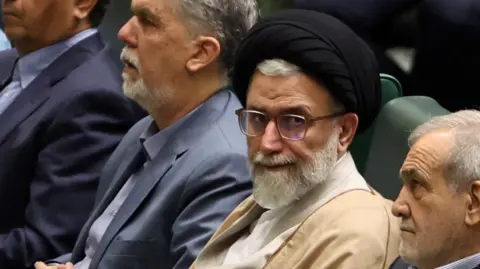
Background to the Incident
Iran's intelligence minister Esmail Khatib has been killed, the country's president has confirmed.
Masoud Pezeshkian said the cowardly assassination had left Iran in deep mourning, after Israel stated on Wednesday it had killed Khatib in an air strike.
This follows earlier announcements from Israel regarding the deaths of other significant Iranian officials.
Escalation of the Conflict
The recent air strikes on Iranian leaders come as a response to perceived threats and aims to undermine Iran's military capabilities amid ongoing conflicts in the region.
Since the assassination of Iran's Supreme Leader Ayatollah Ali Khamenei, multiple senior Iranian officials have been targeted, highlighting a significant shift in the balance of power and escalating tensions in the Middle East.
Reactions from Iran
Pezeshkian extended his condolences to the Iranian people, promising that the legacies of the slain officials would continue. There are mixed sentiments among the populace, with some expressing hope that the removal of these leaders could ease the situation for protestors.
Israel's Justification
Israeli Defense Minister Israel Katz stated that actions against Iranian leadership were preemptive, aimed at maintaining security and preventing future threats. He authorized the Israeli Defense Forces (IDF) to act against any senior Iranian official.
Humanitarian Considerations
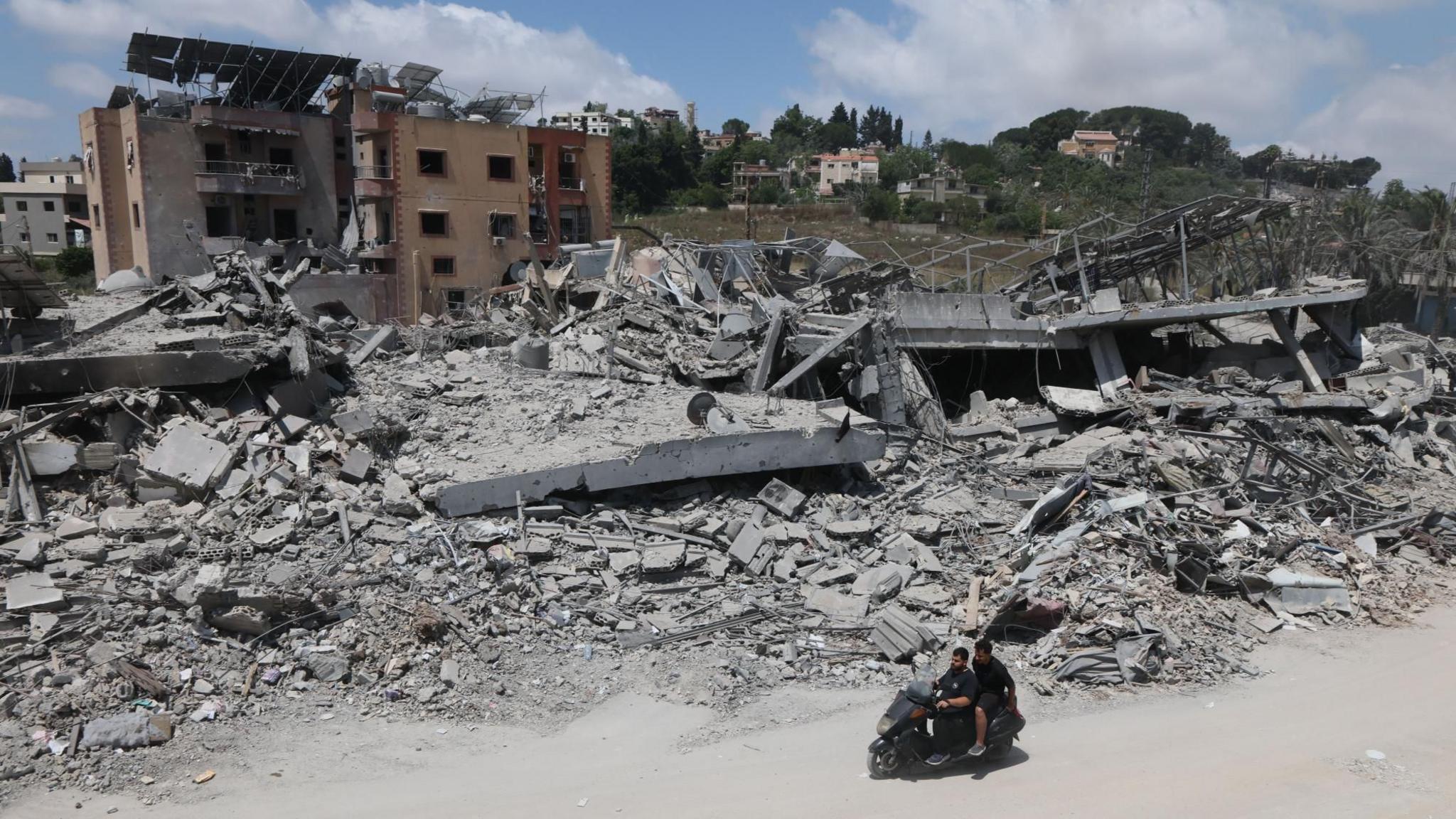
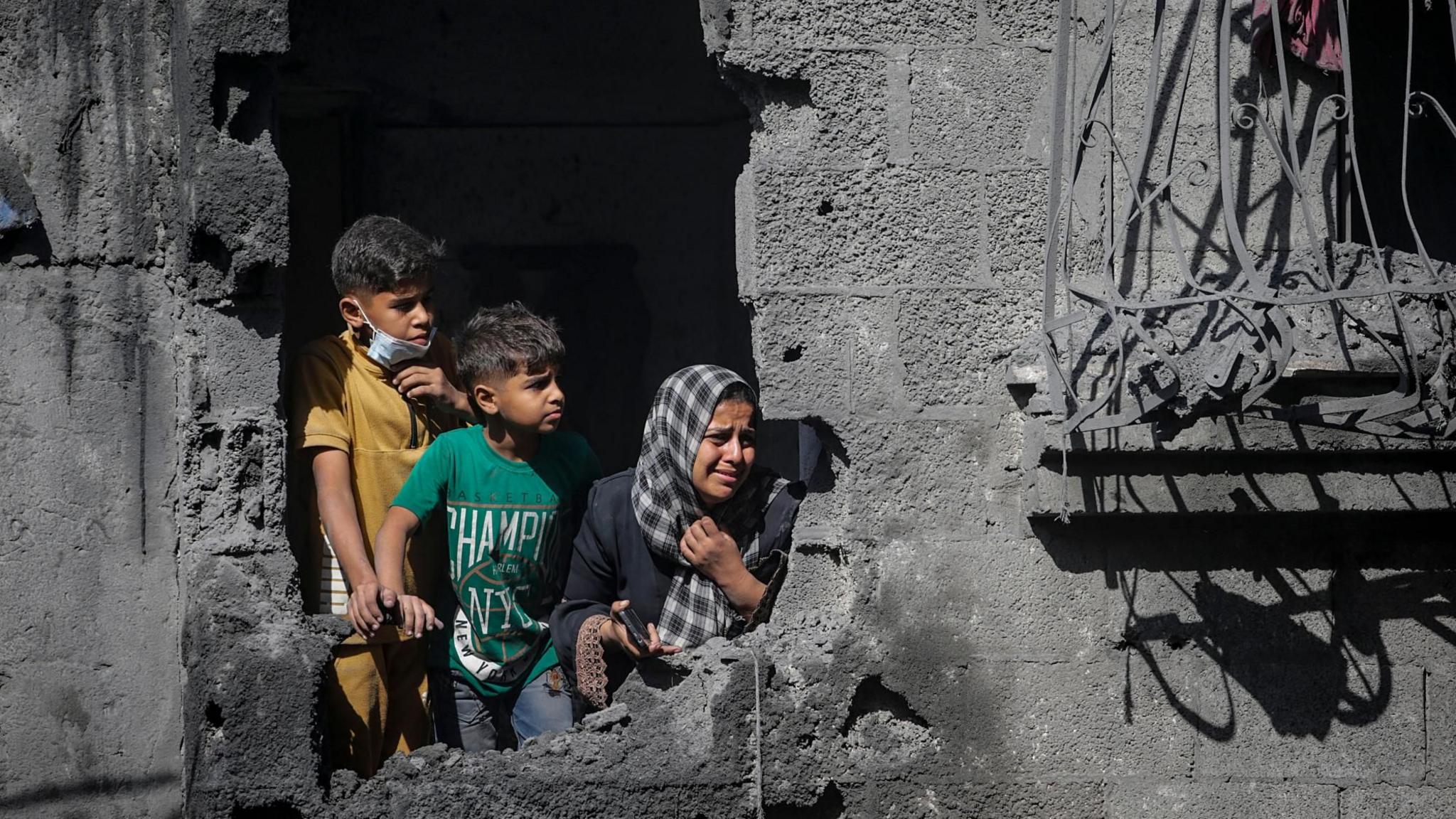
The ongoing violence has led to significant loss of life, with reports indicating over 1,300 casualties from recent strikes, including many civilians. The international community remains concerned about the humanitarian implications of the conflict.
Global Economic Impact
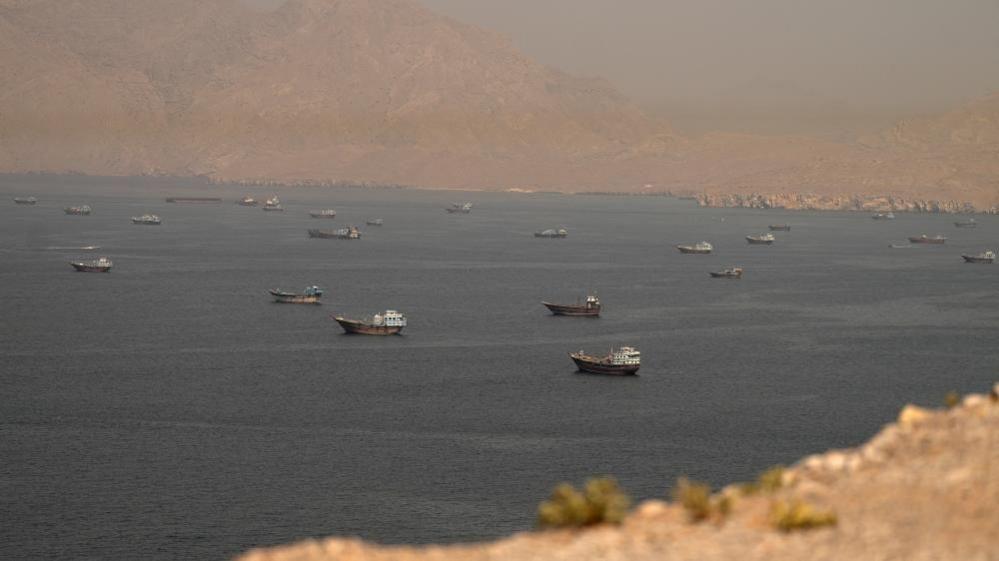
The war's ramifications are felt globally, especially with oil prices surging due to disruptions in the Strait of Hormuz, a critical route for petroleum shipments, underlining the interconnectedness of regional conflicts with global economy.