In brief
In a significant move amidst ongoing military operations, Israeli Prime Minister Benjamin Netanyahu has initiated direct talks with Lebanon aimed at disarming Hezbollah and fostering peaceful relations. While Lebanese officials have called for a ceasefire prior to negotiations, Netanyahu has firmly stated that no ceasefire will be observed while discussions take place. The Israeli military continues its strikes against Hezbollah in Lebanon, intensifying the conflict and complicating potential diplomatic efforts. The situation remains critical as both nations grapple with escalating violence and humanitarian concerns.
Israeli Prime Minister Benjamin Netanyahu has ordered his government to begin direct talks with Lebanon, he said in a statement on Thursday.
Netanyahu indicated that the discussions would focus on the disarmament of Hezbollah, the Iran-backed Lebanese political and militant group, and establishing peaceful relations.
A US State Department official confirmed it would host a meeting next week to discuss ongoing ceasefire negotiations with Israel and Lebanon.
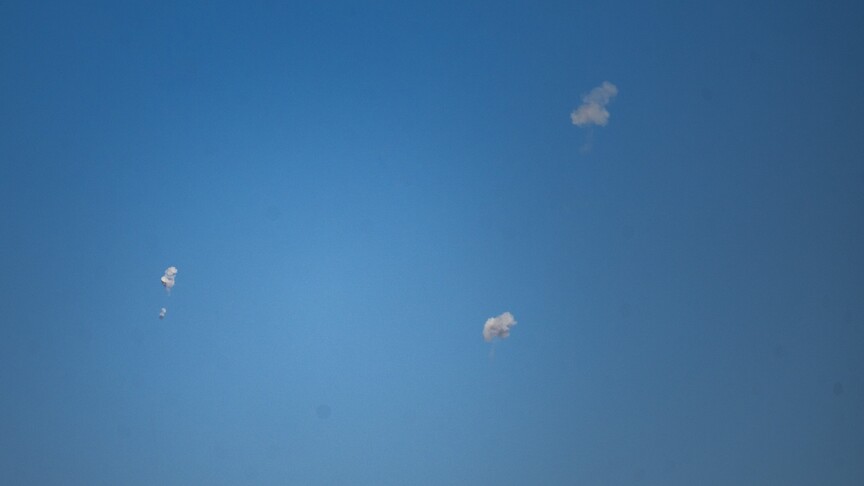
Lebanese officials have called for a ceasefire before the talks begin, but Netanyahu in a subsequent address to residents of northern Israel said: There is no ceasefire in Lebanon. The Israeli military continued to strike Lebanon on Thursday, targeting what it described as Hezbollah rocket launch sites in the south, and issued new evacuation warnings for residents in the southern suburbs of the capital, Beirut.
The head of the World Health Organization (WHO), Tedros Adhanom Ghebreyesus, stated that this includes the Jnah area, which hosts two major hospitals. He emphasized the operational challenges of evacuating patients with no alternative medical facilities available.
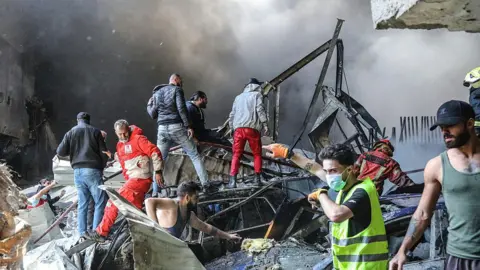
As a consequence of the ongoing conflict, at least 303 individuals have been reported killed, with around 1,150 wounded in a single wave of strikes.
The situation remains dire in Lebanon as further Israeli military actions prompt global concern regarding the humanitarian crisis and potential escalation of violence in the region.