Italy’s Meloni Faces Surprise Setback on Electoral Reform Vote
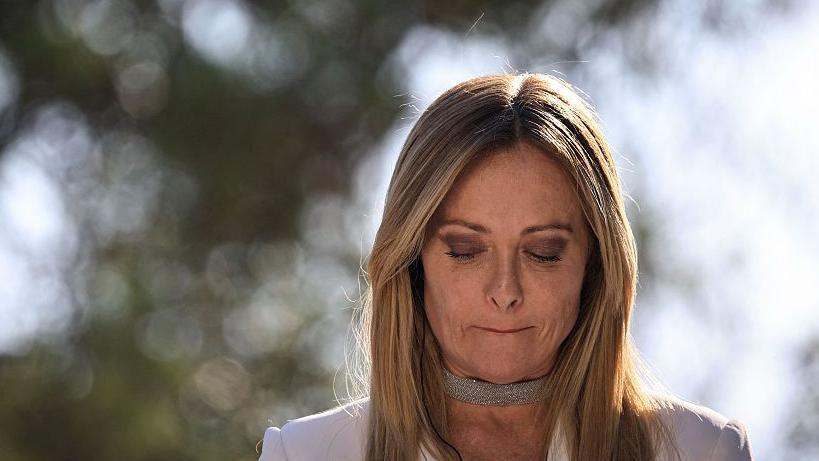
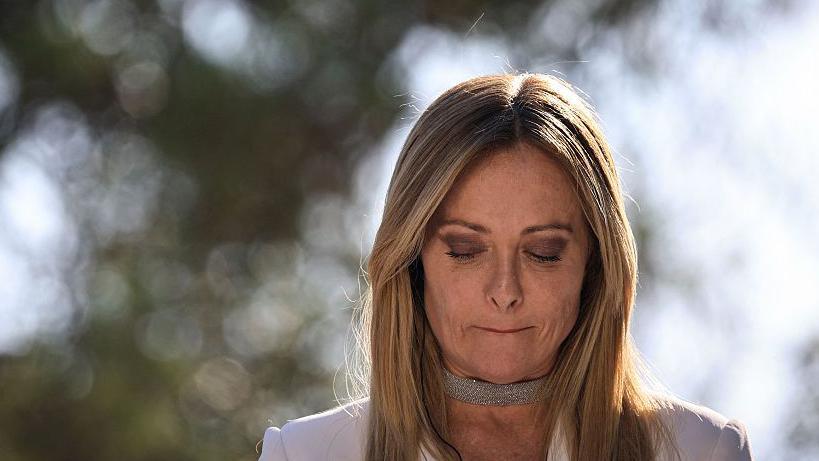
In a secret ballot held Wednesday evening in Italy’s lower house, the coalition government led by Prime Minister Giorgia Meloni lost a crucial amendment to its proposed electoral reform. The Council of Deputies rejected the tweak with 188 votes to 187, meaning several of Meloni’s MPs voted against the proposal.
Meloni posted angrily on social media after the vote, calling the result a "missed opportunity for Italians" and criticizing the opposition for celebrating as though they had won a major sporting championship. She declined to heed calls from opponents to resign or bring forward the general election scheduled for autumn 2027.
The reform would shift Italy to a fully proportional representation system that grants a bonus to the party or coalition with the widest share of the vote, even if that group falls short of an outright majority. It also requires coalitions to agree on a common platform and a single prime‑ministerial candidate—conditions that many parties find difficult to accept because they customarily campaign independently.
The rejected provision specifically dealt with preference voting, allowing voters to choose among candidates on a list; the rest of the amendment remains on the table. Meloni insists the changes would lead to fewer shaky coalitions and greater stability, while opposition parties have branded the plan as authoritarian and an attempt to secure a majority ahead of next year’s elections.
Since 2022, the centre‑right coalition—comprising FdI, the League and other right‑wing groups—has faced shrinking support and growing intra‑party tension. The recent defeat illustrates these frictions and raises questions about whether Meloni’s government can rally a sufficient majority when elections are called.
If Meloni preserves a stable majority by 2027, she will be the first Italian prime minister to lead a continuous single‑government since 1946. However, the current setback could force her to re‑evaluate her base, perhaps reaching further into the centre or courting more hard‑right factions such as Roberto Vannacci’s National Future, which polls around six percent.