
In brief
In a close Senate vote, former chief U.S. attorney Jay Clayton was confirmed as Director of National Intelligence, replacing Bill Pulte amid concerns over Pulte’s lack of intelligence experience and staffing cuts. Clayton’s confirmation hearing touched on his views on the 2020 election and raised questions about his stance on political pressure. The outcome may influence the debate over Section 702 of the Foreign Intelligence Surveillance Act, a law Trump has sought to renew. While some lawmakers hope for a return to steady leadership, others remain cautious about Clayton’s fit for the role.
After a 51‑to‑47 Senate vote, former U.S. attorney Jay Clayton will take over the CIA’s top post as Director of National Intelligence (DNI), replacing acting director Bill Pulte.
Clayton, who previously led the Southern District of New York and prosecuted high‑profile cases, was nominated by former President Donald Trump following revelations that Pulte had no intelligence background and was involved in staffing cuts.
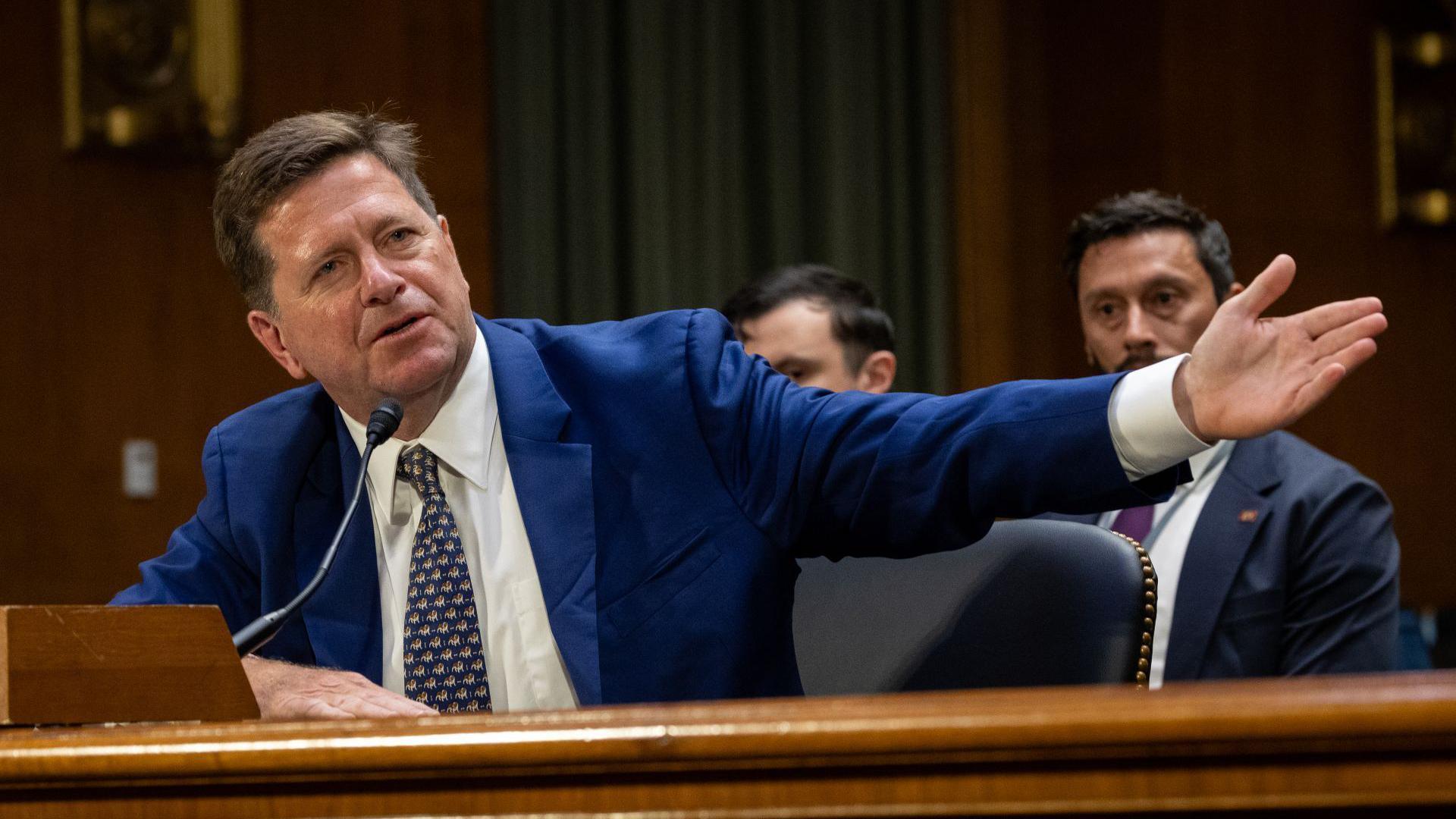
In his confirmation hearing, Clayton acknowledged that President Joe Biden won the 2020 election, a stance that drew questions from Senate Intelligence Committee vice‑chair Mark Warner, who said he had “serious reservations” about Clayton’s willingness to resist political pressure.
The confirmation could influence renewed debate over Section 702 of the Foreign Intelligence Surveillance Act, which allows bulk data collection on foreign targets without a warrant. Trump has urged long‑term reauthorization of the law.
For the Senate majority, Clayton’s approval is seen as a step toward ending the current impasse on intelligence‑related legislation, while some Democrats remain cautious about his fit for the role.


