
In brief
In June’s runoff, Keiko Fujimori edged out left‑wing challenger Roberto Sánchez by a razor‑thin margin of less than 50,000 votes, marking her fourth bid for the presidency. The win follows accusations of irregularities in overseas voting and a contentious campaign that leaned heavily on her father's legacy. Fujimori vows a crackdown on organised crime and a boost to private investment, while the country prepares for her inauguration on 28 July. The result aligns with a regional trend of right‑wing leaders gaining power in Latin America.
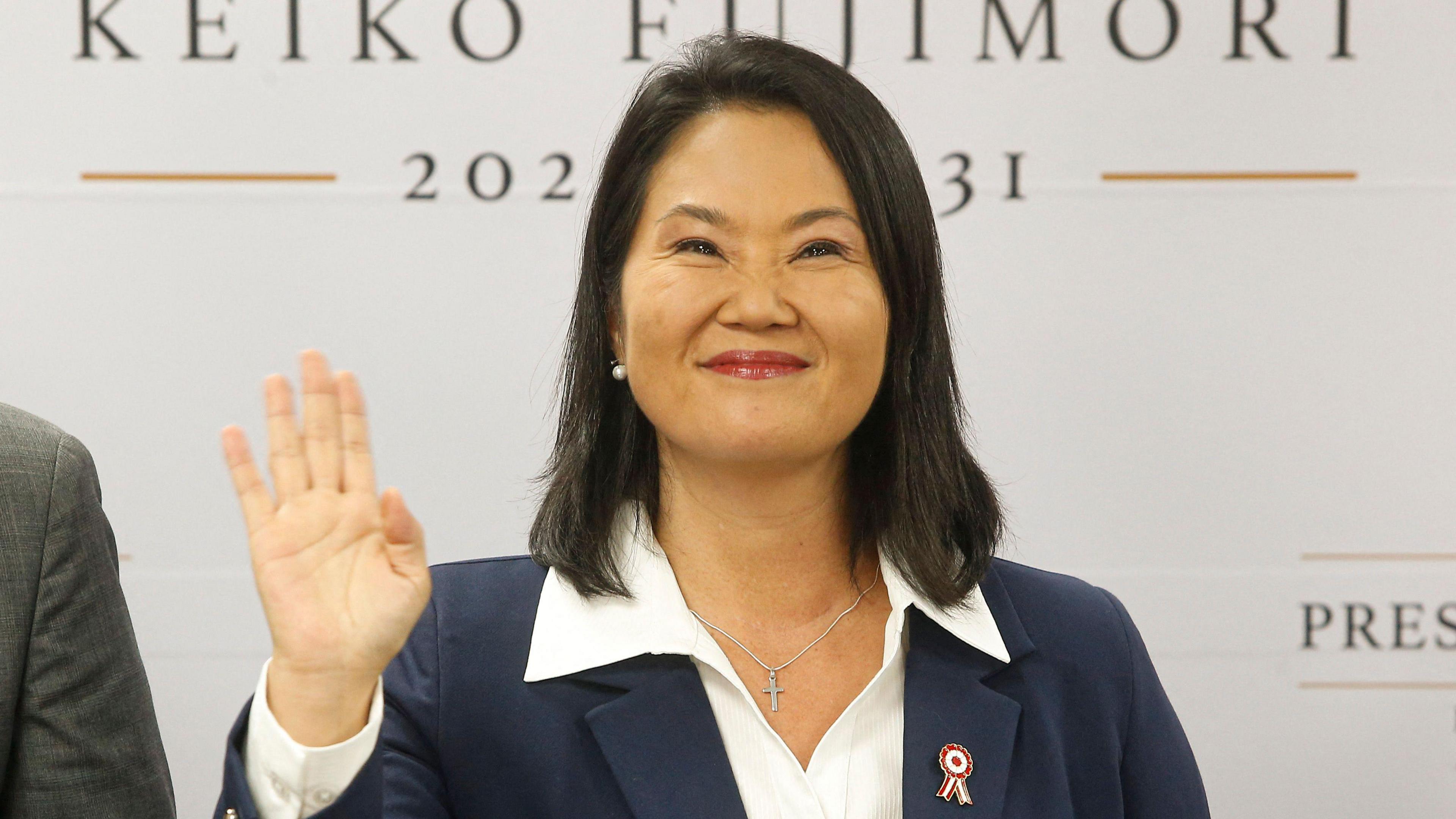
Right‑wing candidate Keiko Fujimori has been declared the winner of Peru’s close presidential election nearly a month after the vote.
The 51‑year‑old secured 50.135% of the vote in the June 7 runoff against left‑wing challenger Roberto Sánchez, who received 49.865%. The margin, less than 50,000 votes, was confirmed by the Peruvian electoral court.
This election marks the fourth time Fujimori has stood for the presidency, promising a crackdown on organised crime amid a backdrop of crime and political instability. Her platform centres on a military‑led crackdown on extortion and other organised crimes that have risen sharply in recent years.
Sánchez, a former foreign trade minister, has alleged serious irregularities in overseas voting and threatened legal action. His party has already appealed the result, calling for the vote to be nullified.
Fujimori’s victory comes alongside the election of Colombia’s Abelardo de la Espriella, signaling a broader right‑wing shift across Latin America. The new president‑elect has pledged to attract private investment and expel undocumented criminals found committing offences.
The swearing‑in ceremony is scheduled for 28 July, making Fujimori the Andean country’s ninth president in the last decade. Her term will join a group of right‑wing leaders who have recently unseated left‑wing governments in the region.


