In brief
A Kenyan court is poised to deliver a verdict in the Shakahola case, where cult leader Paul Mackenzie and a group of followers face charges for 191 alleged child deaths. The case highlights grave allegations of forced starvation, denial of modern medicine and extremist religious doctrine. Testimonies from survivors and gravediggers paint a chilling picture of mass graves scattered across the forest. The outcome will carry significant implications for Kenyan law, human rights observers and the broader conversation on religious extremism worldwide.
A Kenyan court is poised to deliver a verdict in the Shakahola case, where cult leader Paul Mackenzie and a group of followers face charges for 191 alleged child deaths.
The allegations centre on a doomsday doctrine that banned education and modern medicine, and directed followers to starve children to death so they could "meet Jesus".
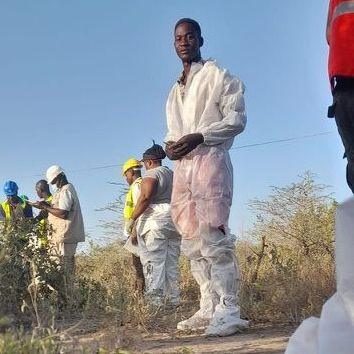
Authorities uncovered more than 400 bodies in shallow graves across the Shakahola forest, with some victims as young as a few weeks old. Gravediggers, paid as little as $8 a day, describe scenes where bodies were wrapped in bedsheets and arranged like clothes.
Mackenzie and 29 additional accused have pleaded not guilty, while former security chief Enos Amanya Ngala shifted to a prosecution witness after a plea deal.
Survivors testify that the group’s refusal to use modern medicine left many ill, including a man who lost six children and a teenager who was left bed‑ridden and nearly died without treatment.
Kenyan human‑rights groups warn that the case illustrates the dangers of unchecked religious extremism and the need for robust legal safeguards for children in faith communities.
International observers note parallels with other mass‑abduction and extremist campaigns, such as those run by Boko Haram and the Shining Path, underscoring a global crisis of faith‑based persecution.
While the court awaits the final judgement, social media and local NGOs have mobilised to provide support for affected families and to monitor the religious organisations that propagate extremist ideologies.
The outcome will set a precedent for how Kenya addresses religious movements that endanger children, potentially influencing policies in other African nations grappling with similar issues.
For a deeper look into the cult’s background, see the BBC feature Kenya cult targeted children to starve first – pastor.