Kratom Under Scrutiny: From Herbal Remedy to ‘Gas‑Station Heroin’

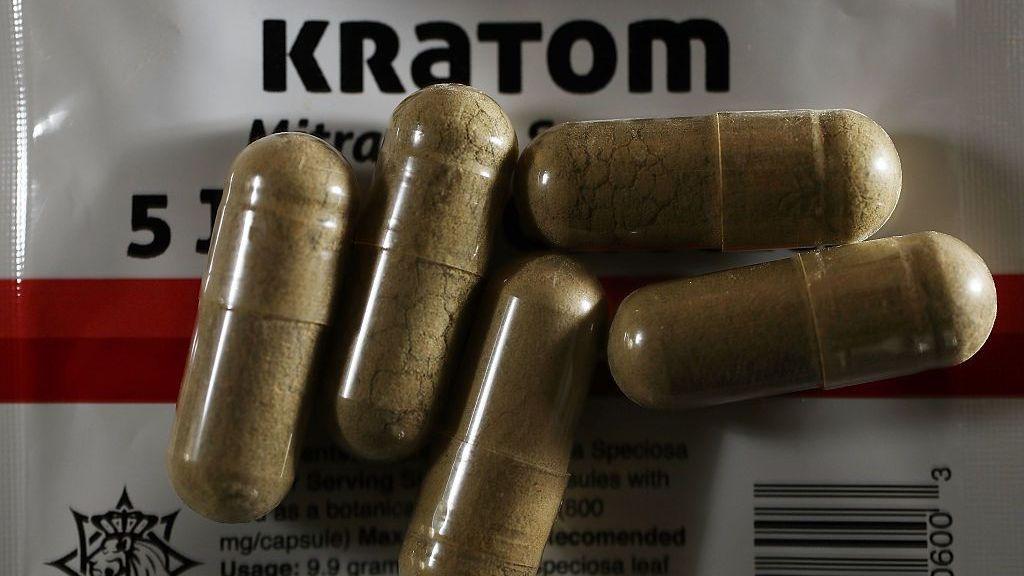
Kratom, a tropical tree native to Thailand, Malaysia and Indonesia, has carved a niche in American markets since 2016. Marketed as a natural supplement, it is sold in pills, powders and liquids and is available in convenience stores, vape shops and even gas‑station kiosks.
Jeffrey Deaver, a 58‑year‑old timber worker from Washington, has relied on kratom for four years to deal with chronic hip and knee pain. He says the herb allowed him to sleep, function and feel less dependent on prescription medication.
The substance’s opioid‑like properties have attracted scrutiny. Recent investigators discovered packaged kratom in the possession of two University of Mississippi students who died. Although the deaths were not linked to the herb, authorities are cautioning the public about potential dangers.
Experts warn that the lack of federal regulation means that products can vary widely in purity and potency. Dr. Shane Speights, a professor of osteopathic medicine, notes that without oversight, consumers cannot reliably know what they are taking.
At low doses, users may experience a caffeine‑like buzz; at higher levels, the herb can induce euphoria, hallucinations and, in extreme cases, central nervous system depression, leading to respiratory arrest and cardiovascular collapse.
Addiction is a significant risk. Tolerance can develop quickly, forcing users to increase their dose. Some users have taken 20 pills a day, putting a severe financial burden on families while triggering withdrawal symptoms that are hard to manage.
Legal status varies by state. Eleven states—including Alabama, Arkansas and Wisconsin—have banned kratom, while others allow its sale. Federal agencies once attempted to schedule the herb as a Schedule‑I drug but withdrew after public backlash. States such as Arizona and Michigan have recently moved to enforce stricter controls.
Advocacy groups argue for regulation rather than outright prohibition. They claim that kratom can help people with chronic pain and opioid withdrawal. Opponents, however, call the substance a risky “gas‑station drug” that threatens public safety.
The debate over kratom underscores a broader question: how should societies balance medical autonomy with public health safeguards when dealing with unregulated substances?