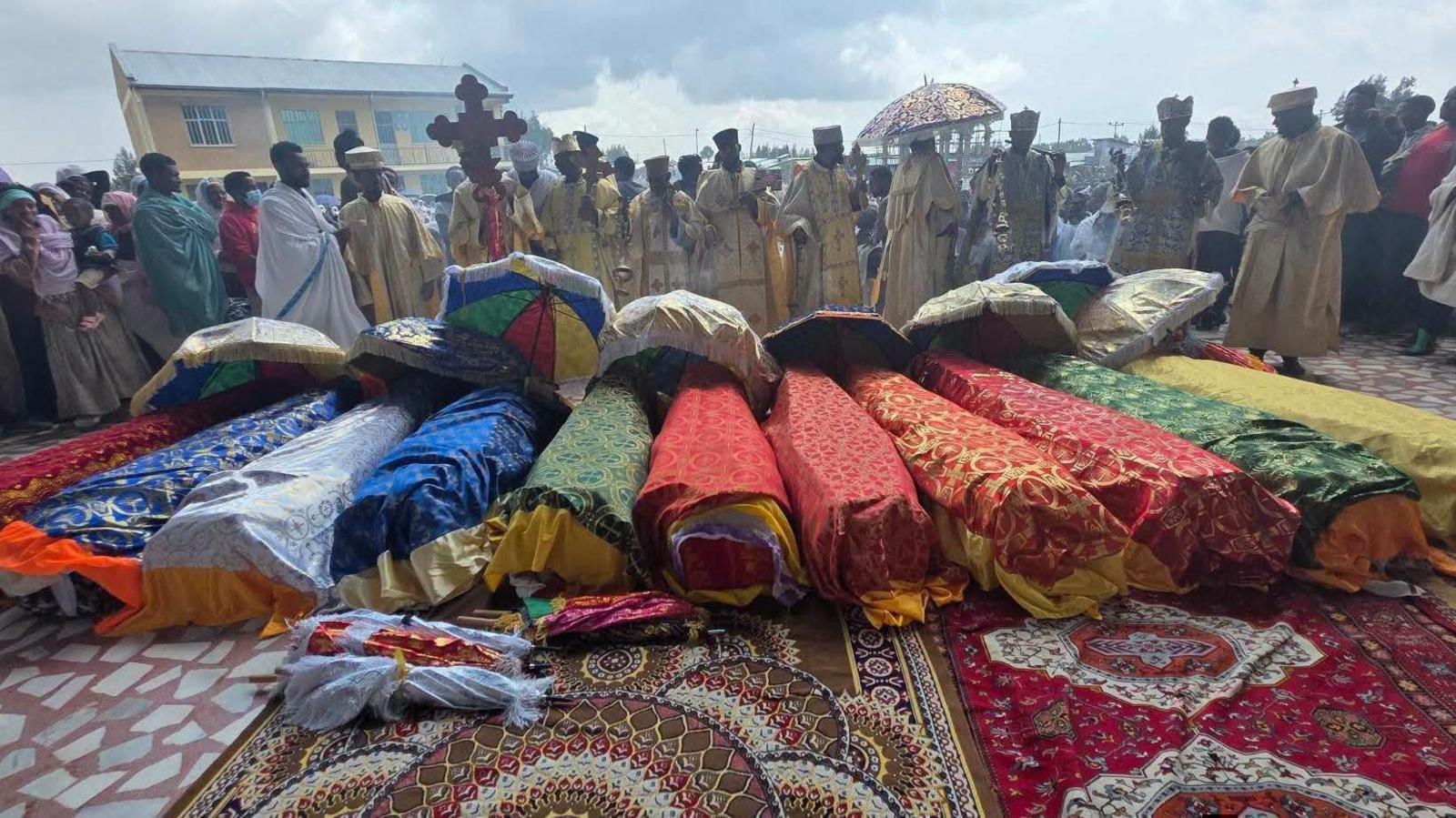
On Monday morning a landslide slammed into a mountain monastery in Ethiopia’s northern Amhara region while a nighttime prayer service was underway, killing 14 people, officials said.
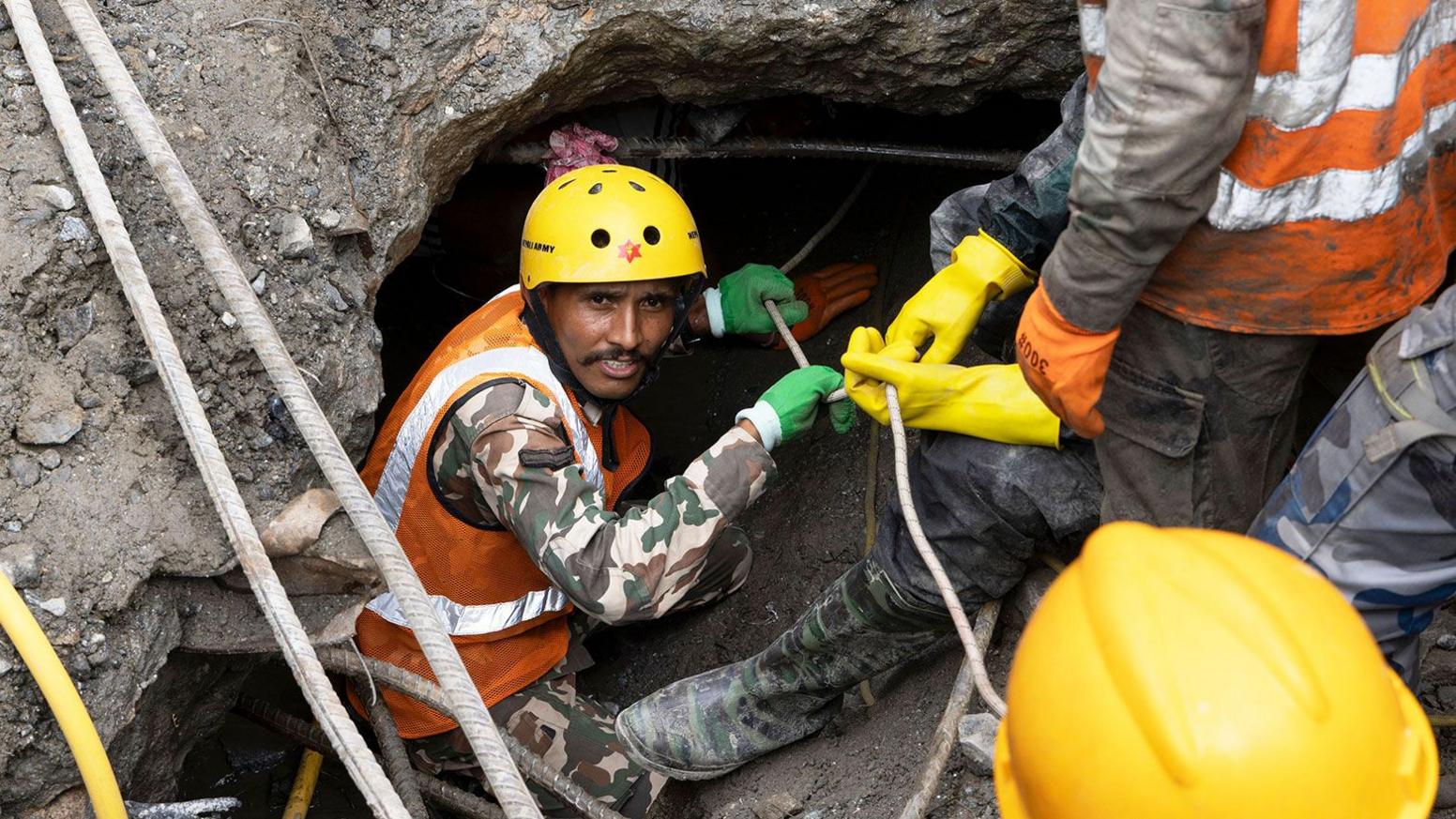
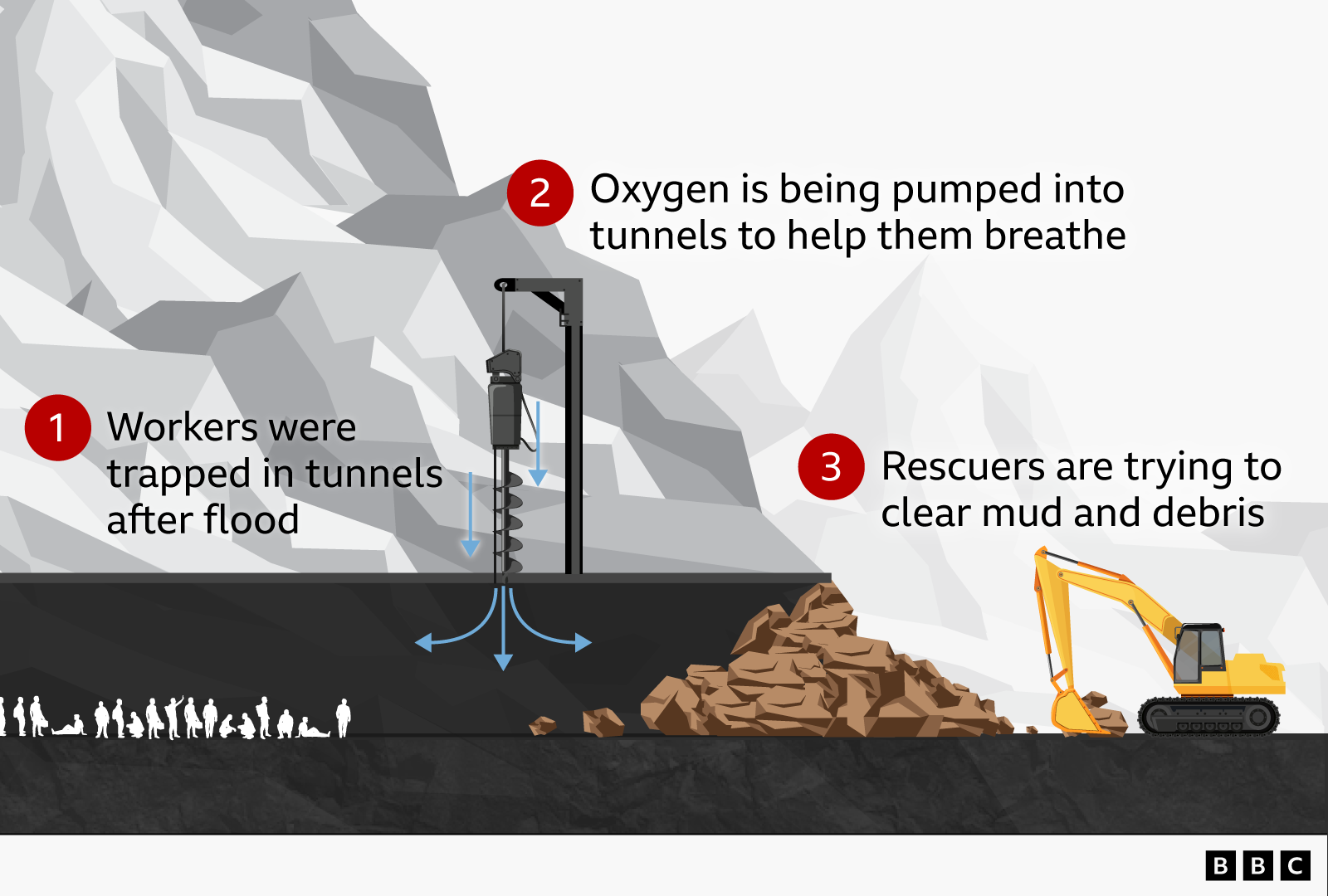
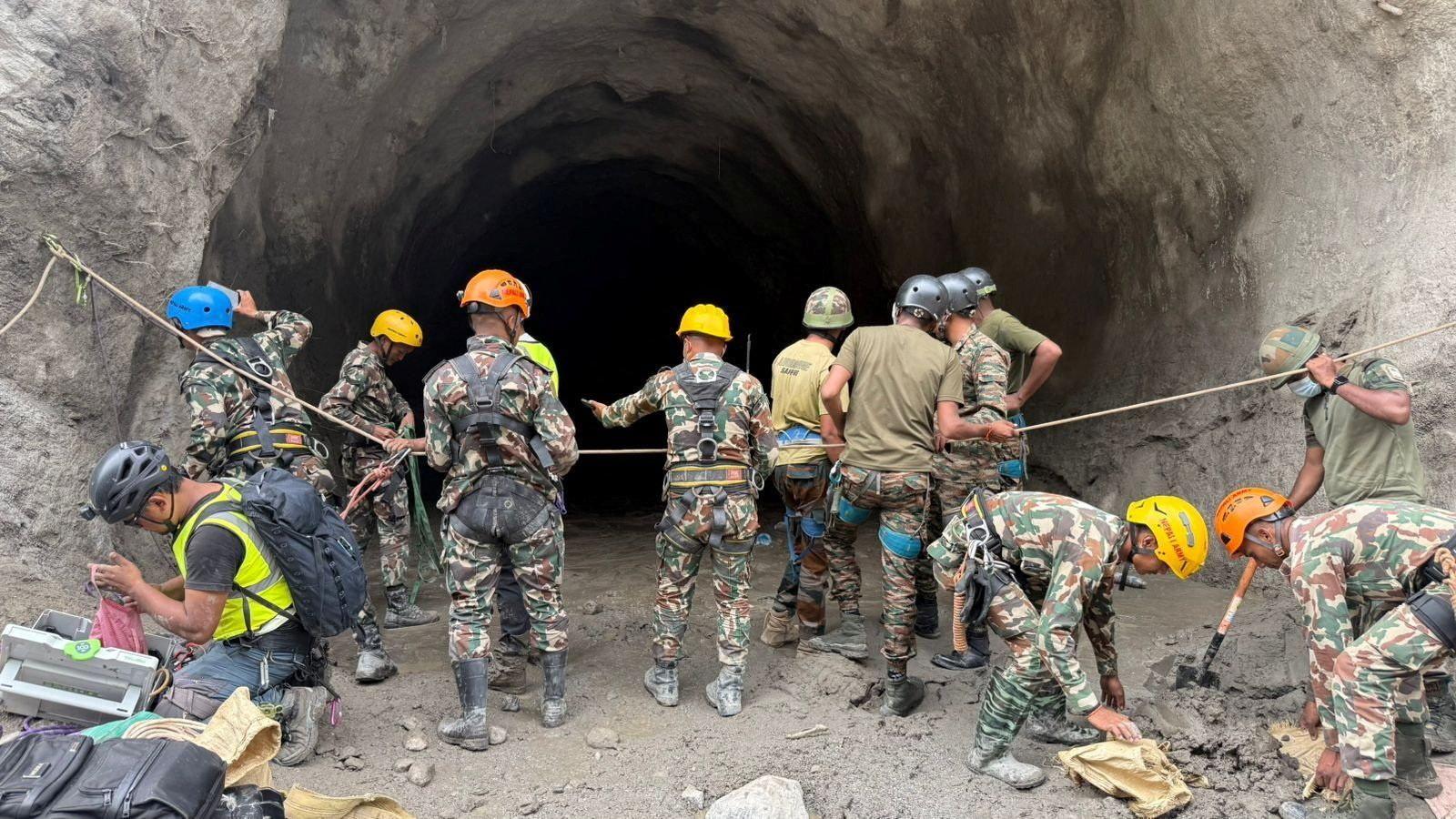
Rescue workers—alongside security staff, healthcare workers and nearby residents—were clearing the debris, but once the hill began to move again, the operation was halted.
The church is carved into the side of a hill and hosts a special prayer session. Heavy overnight rain had caused the upper slope to slide, according to local authorities.
Seven people were injured, with five in serious condition. The service at the Tsadqane Debre Mitmaq St Mary Monastery included a ritual of holy water, popular among Orthodox Christians seeking healing.”
```
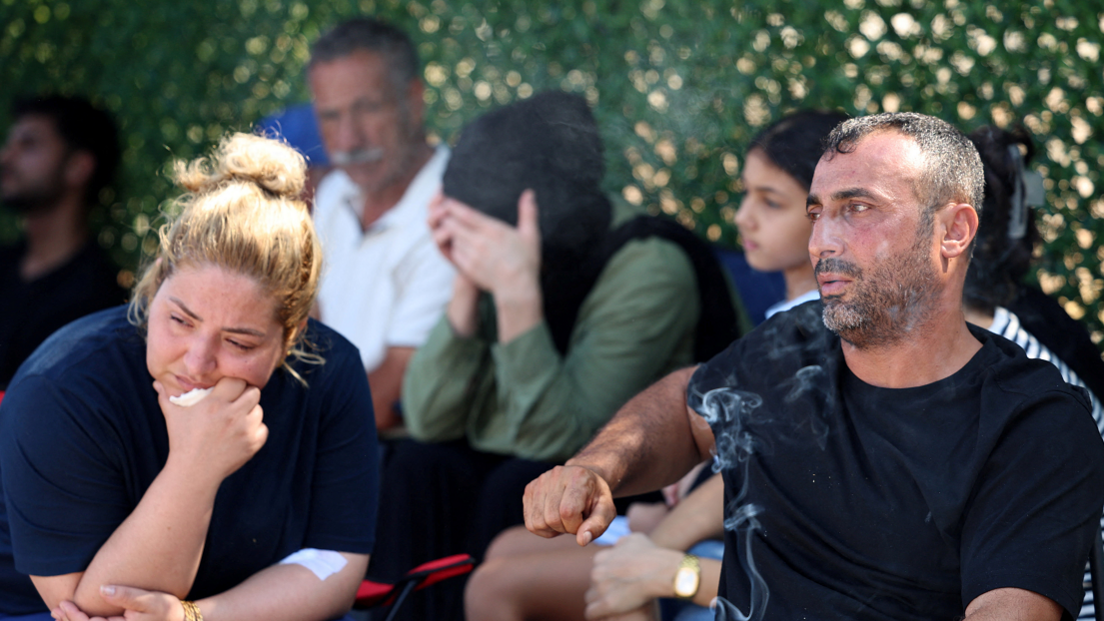
Eleven victims are being buried at the monastery; the bodies of the remaining were returned home for burial in accordance with local customs.
The head of the Ethiopian Orthodox Church’s North Shewa Diocese travelled to the site, offering prayers for the injured and grieving families.
Landslides are common in Ethiopia during the main rainy season (June‑August). Heavy rains in March killed over 100 people in the Gamo Zone; a July 2024 landslide killed more than 229 people, including rescuers.
Climate‑change experts point to a rise in extreme rainfall and prolonged dry periods across East Africa as a major risk factor.
For further context on Ethiopia’s geography and Hazards, see BBC Africa’s coverage on Ethiopia.