Lebanese Army Deploys Troops to Pilot Zone as Israeli Forces Withdraw
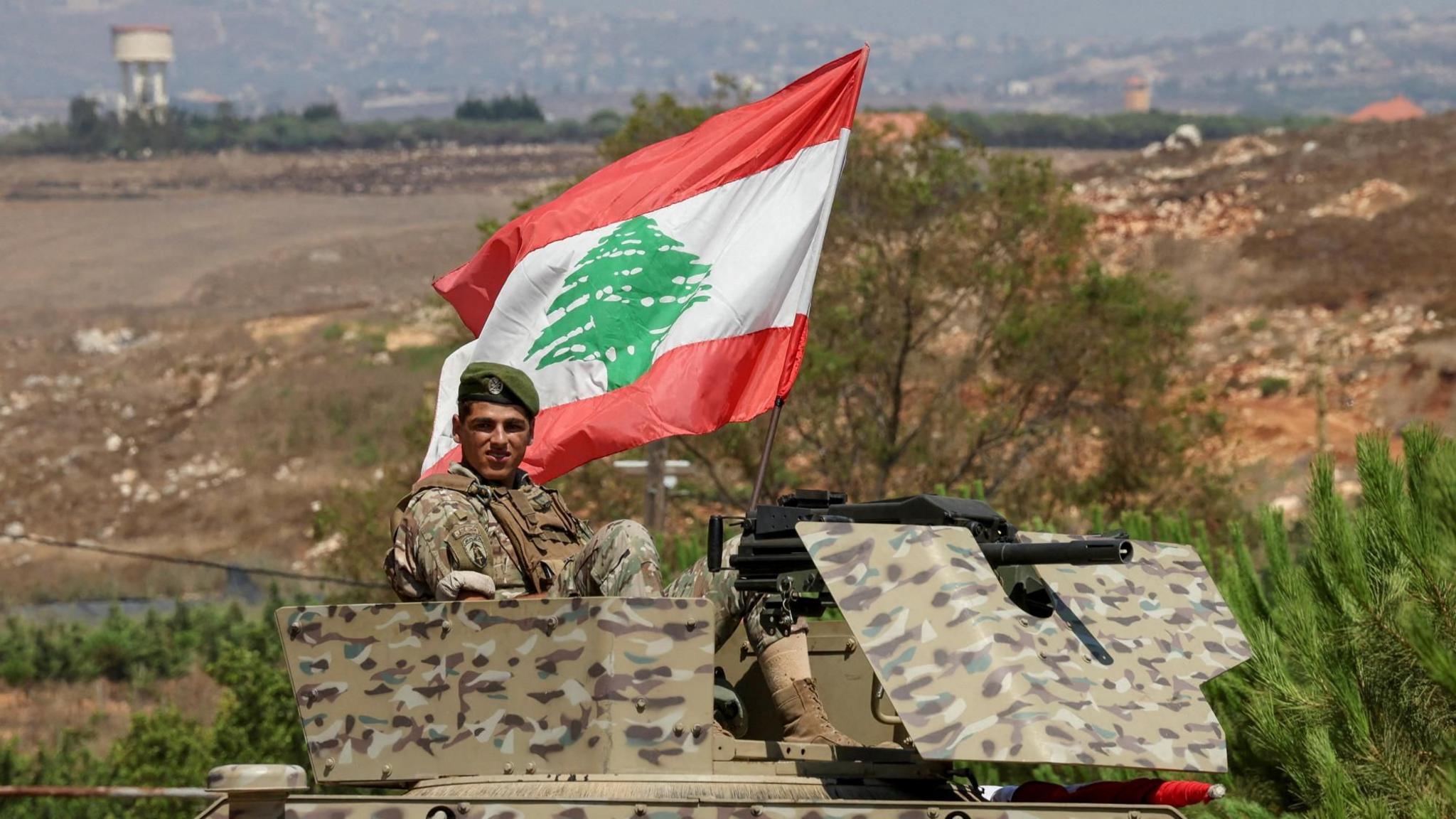
The Lebanese armed forces have begun moving troops into a designated “pilot zone” in the south of the country following a United States‑brokered agreement reached last month that includes the withdrawal of Israeli forces. Engineering units advanced into the village of Zawtar al‑Gharbiyeh in the Nabatieh district on Tuesday morning, announced the army command.
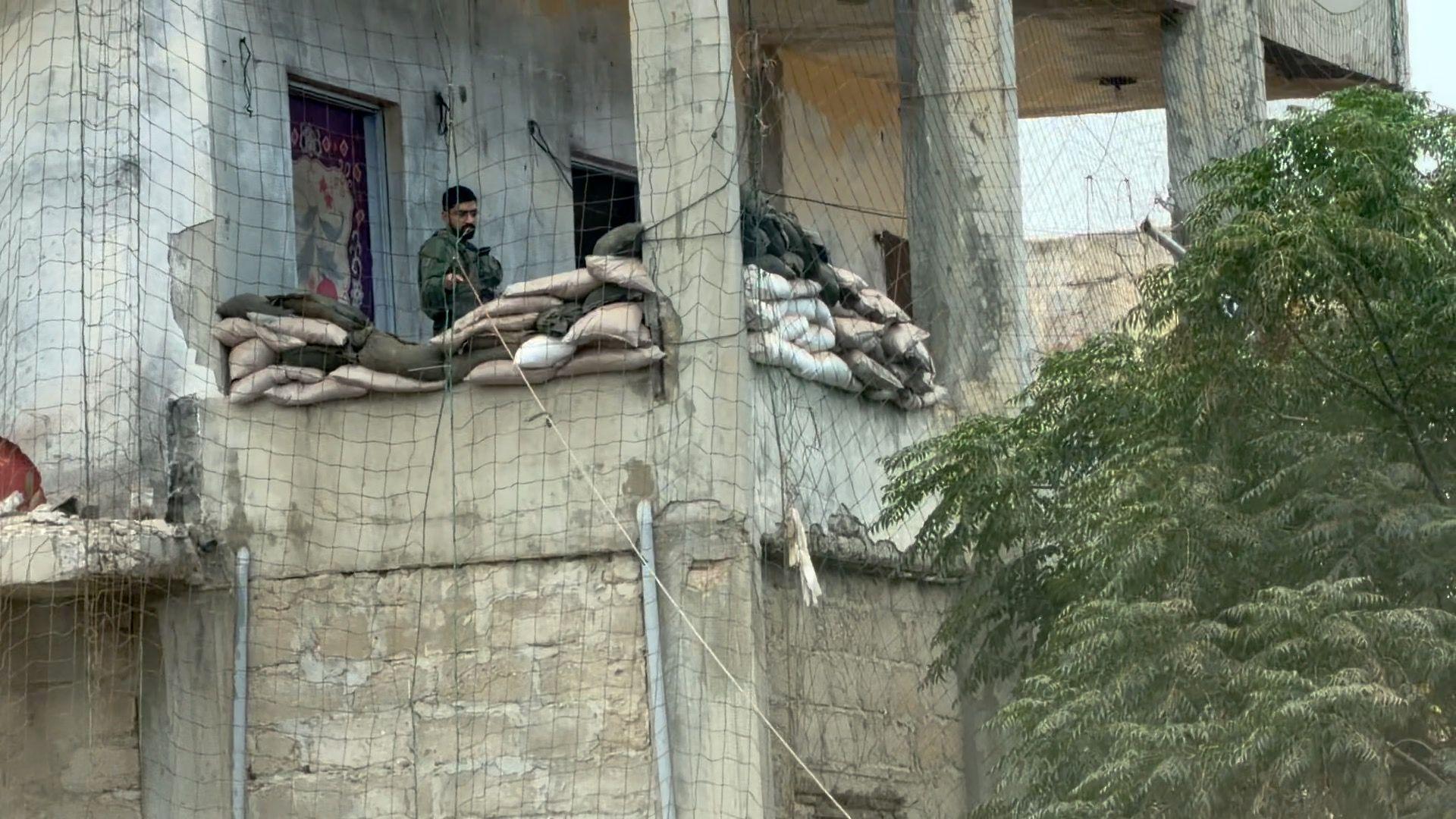
According to the army, Israeli troops opened fire in the vicinity of the Lebanese units. The Israeli army said warning shots were fired after Lebanese troops crossed the 10‑kilometre Israeli‑deemed “security zone” and crossed barriers. The Lebanese soldiers, according to the army, withdrew and no injuries were reported.
The pilot zone plan aims for Israeli forces to pull out of the small segment of territory that was occupied by Israel during its conflict with Hezbollah and to facilitate the disarmament of the Iran‑backed group. The initiative was announced by the US Department of State, noting that the pilot zone operations had begun in Zawtar al‑Gharbiyeh and two other villages, Froun and Srifa, which were part of the trilateral framework agreed by Israel, Lebanon and the United States at the end of June.
The deployment followed a meeting in Washington between US President Donald Trump and Lebanese President Joseph Aoun. During the Oval Office briefing, Aoun urged Trump to pressure Israel for a full withdrawal from southern Lebanon and to support Lebanon’s army in taking full control of areas where Hezbollah remains influential. Trump promised the US would provide assistance to Lebanon, citing a need for “pretty planned and respect” needed to rebuild the country after decades of hardship.
Despite the joint agreements, Hezbollah has rejected the programme, arguing that the conditions linking Israeli withdrawal to the group’s disarmament cross “red lines.” Israel has said it will not fully withdraw until Hezbollah is fully disarmed. The United Nations and civil‑society groups have warned that some of the demolitions in the occupied zones may amount to deliberate targeting of civilian infrastructure, possibly constituting war crimes.
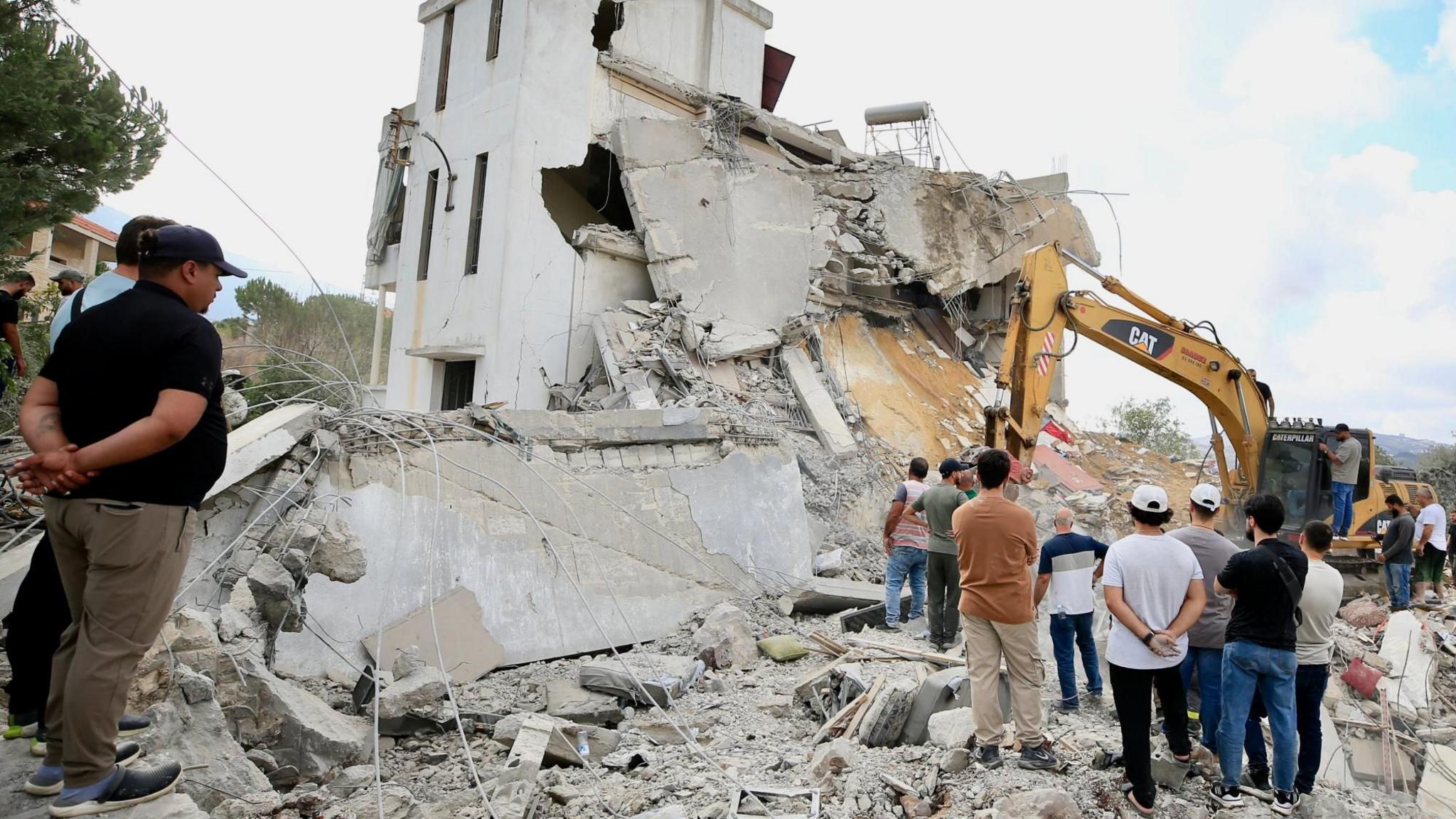
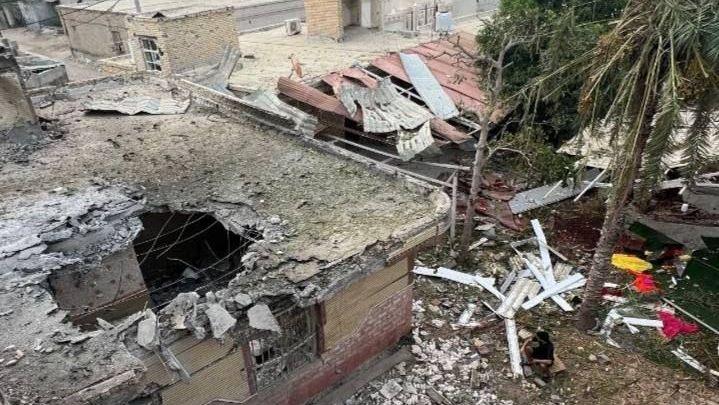
The conflict has produced considerable casualties: more than 4,300 people have died in Lebanon, including nearly 800 children, women and medics, according to a Lebanese health ministry report. Israeli authorities also record 37 Israeli soldiers killed and four civilians on the Israeli‑Lebanese border during the war. This snapshot comes amid continuing Israeli strikes, demolitions and rocket fire that have left many southern villages damaged or destroyed.
The United States maintains it has concrete plans to help Lebanon build the capacity to disarm Hezbollah, although no specifics were disclosed. Trump said the Lebanese army is becoming increasingly self‑sufficient and he would speak directly to Hezbollah representatives at Aoun’s request.