Lebanon’s Parliament Votes to End Capital Punishment
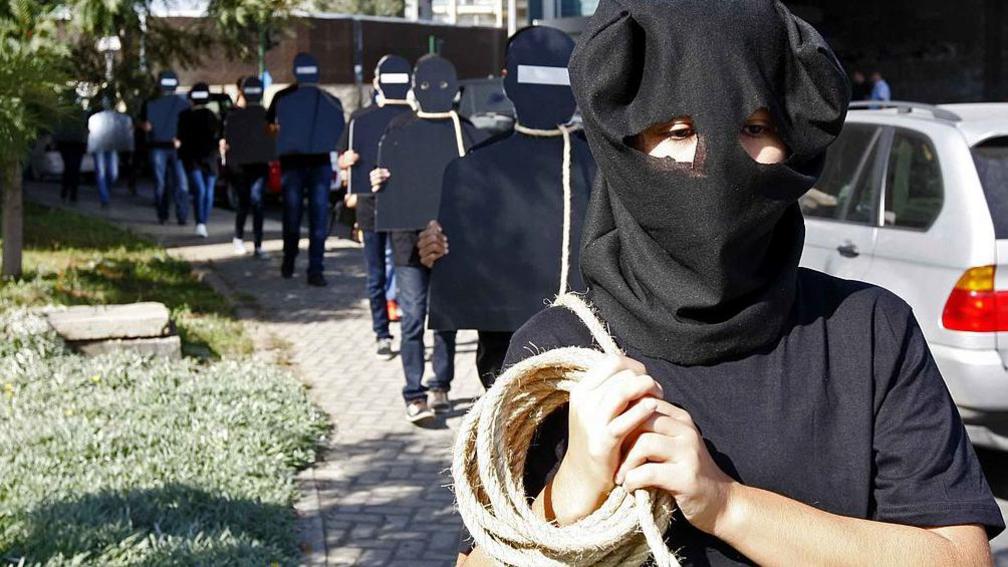
In a landmark decision, Lebanon’s 128‑seat parliament voted to abolish the death penalty, turning the nation into the first in the Middle East to formally end capital punishment.
The vote was supported by a majority of MPs, though Hezbollah’s bloc opposed the measure. The legislation will now proceed to the cabinet before being presented to President Joseph Aoun for signing. The government has already signaled its backing of the reform.
While Lebanon has not carried out an execution since January 2004, courts continue to issue death sentences, leaving more than 78 people on death row, according to rights organisations.
Under the new law, the death penalty will be replaced with life imprisonment and hard labour—an element already written into Lebanese law but rarely implemented due to the country’s prolonged financial crisis and overcrowded prisons.
Human‑rights proponents argue that crime should not be met with execution. Oragit Younan, co‑founder of the Lebanese Association for Civil Rights and a nearly thirty‑year campaigner for abolition, said: “We can fight for human rights even in war, and we can be a model for others.”
The vote follows a de facto moratorium on executions that lasted for more than two decades, with no decree signed for a single execution since 2004.
The repeal will affect offences that previously carried the death penalty, including aggravated murder, certain terrorism‑related crimes, treason, espionage and acts against state security.
Lebanon’s reform occurs while the use of capital punishment is still contested across the region. Jordan resumed executions in June, carrying out its first since 2017. In Israel, parliament has expanded circumstances under which death can be imposed. The United Nations human‑rights chief has warned of a spike in executions in Iran where the penalty is used to suppress dissent.