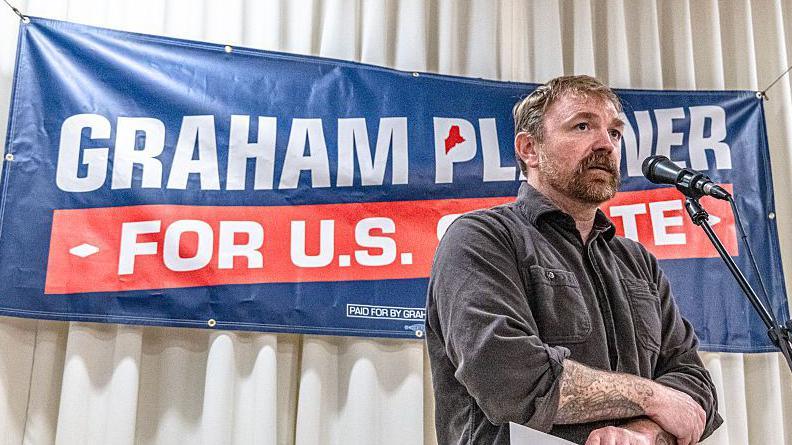
Graham Platner drops out of Maine Senate race amid sexual‑assault allegation
Graham Platner, the Democratic nominee for Maine’s U.S. Senate seat, has suspended his campaign in a swift response to a sexual‑assault claim that surfaced last week. The allegation, made by Jenny Racicot, says that Platner entered her home uninvited and sexually assaulted her while intoxicated, an accusation Platner has denied and called “false.”
The fallout has been immediate. Key Democratic leaders—including Senator Bernie Sanders, Senator Elizabeth Warren, and senior members of the Democratic Party—sought his withdrawal. The Democratic Senatorial Campaign Committee and the Maine Democratic Party withdrew financial support and endorsements, leaving Platner’s campaign without the infrastructure most candidates rely on to compete statewide.
Platner’s public statement clarified that his decision was not a confession of guilt. He emphasized the lack of time for an investigative process and the political pressure placed upon him by the media and his own party’s backing. He indicated that he would file for withdrawal only once a replacement nominee is chosen through a “transparent, democratic” process, in adherence to state law that requires a new name by 13 July to appear on the ballot.
In the days leading to the announcement, the Maine Democratic Party announced a convention to select a new candidate, with hundreds of delegates expected to attend. The party stresses the need to maintain the progressive platform championed by Platner while fielding a candidate capable of challenging Republican Senator Susan Collins in the November election.
The scandal and subsequent withdrawal mark the second major high‑profile Democratic candidate to step down this year due to sexual‑misconduct allegations—the first being Congressman Eric Swalwell, who resigned from the House in April. The incident underscores the intensified scrutiny of personal conduct within the political arena and the rapid pace with which controversies can reshape campaigns.
Maine’s race is identified by many analysts as a pivotal contest for Democrats hoping to gain a majority in the U.S. Senate during the midterms. With the Democratic nominee absent, the party now faces a tight timeline to rally a new candidate who can galvanize the grassroots momentum that initially propelled Platner.
For further context, see additional coverage on Politico and the New York Times regarding Platner’s earlier controversies, including a tattooed symbol controversy and past online remarks regarding sexual assault.