Migrant Surge in Ceuta Sparks Political Clash, Social Media Fueling Tension
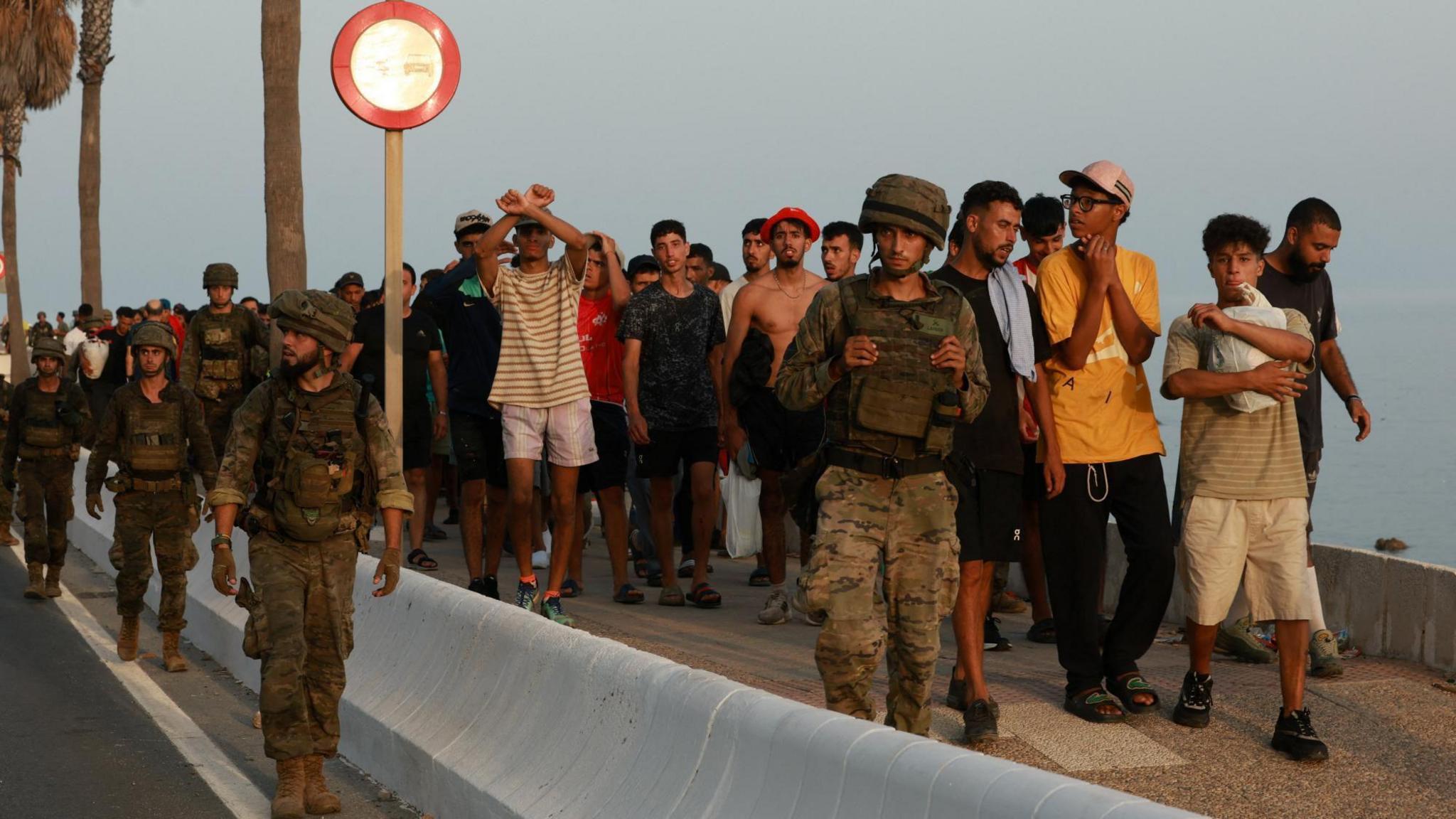
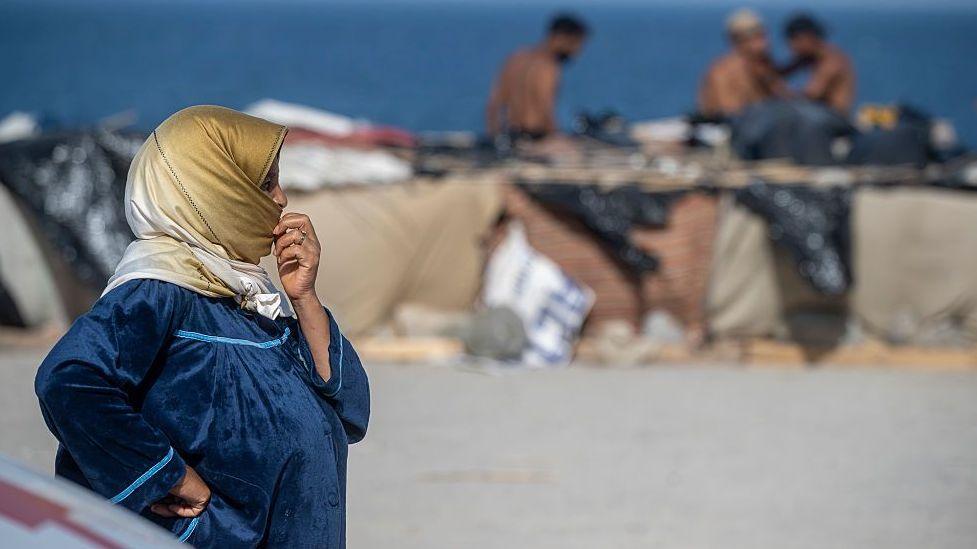
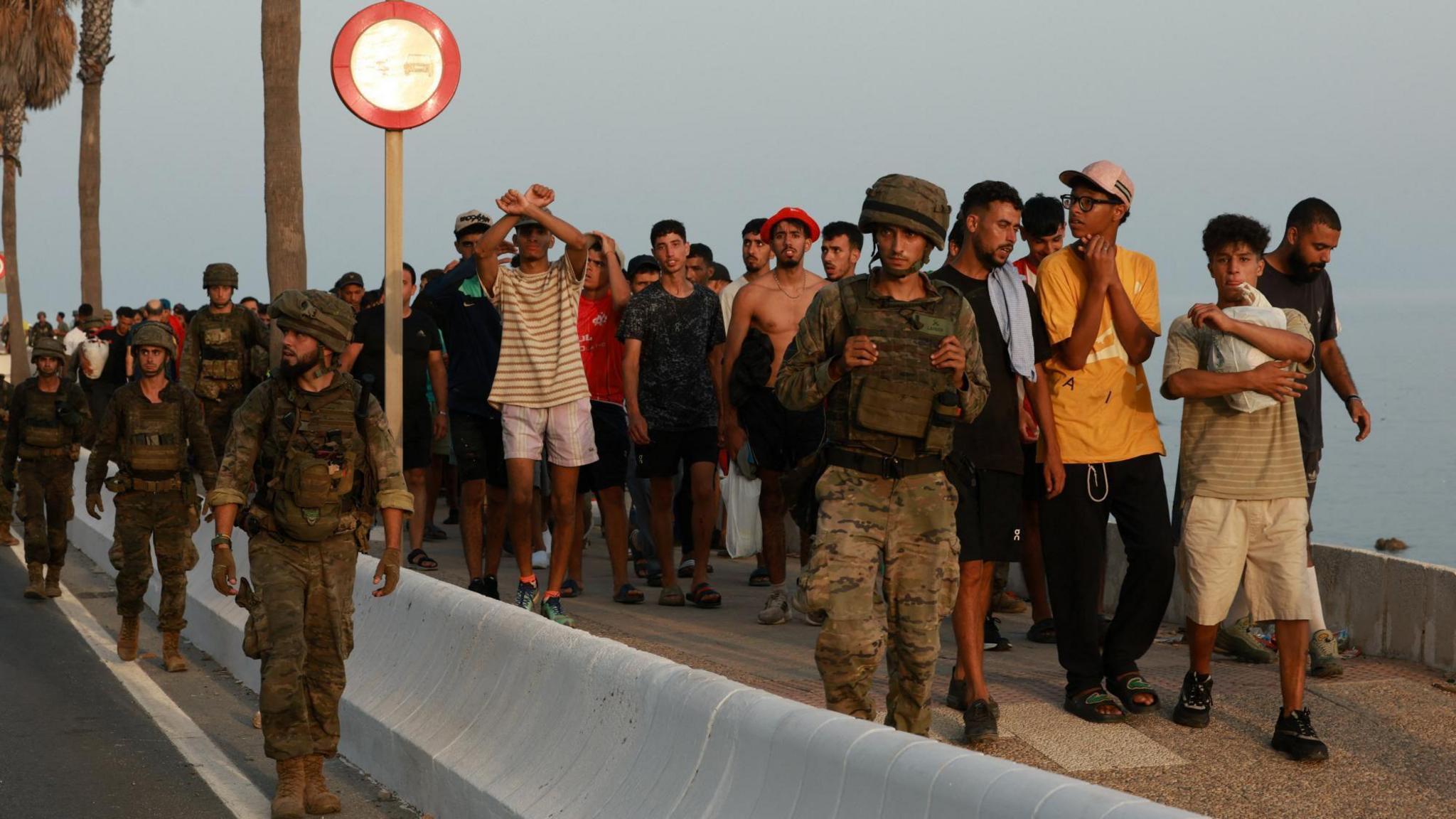
On 30 July, an unprecedented wave of Moroccan migrants surged across the Mediterranean into the Spanish enclave of Ceuta. Tens of thousands crossed the sea, only to be escorted back by Spanish soldiers and police, turning the incident into a painful symbol of the migration crisis and a political storm that reverberated throughout Europe.
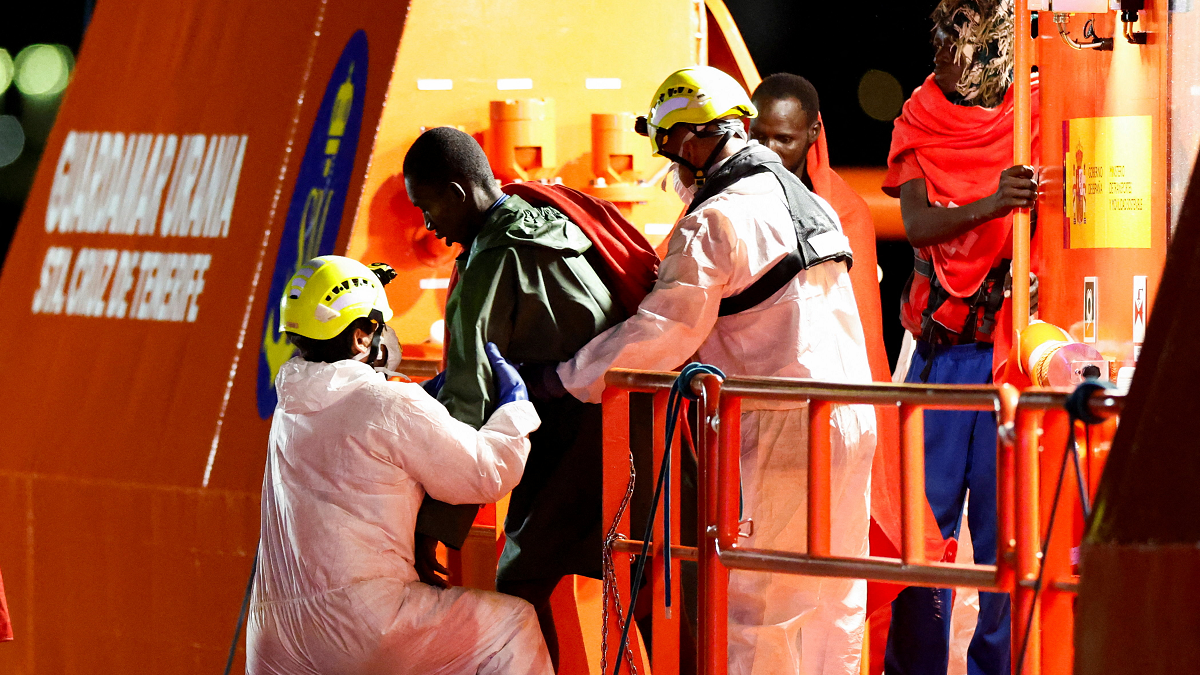
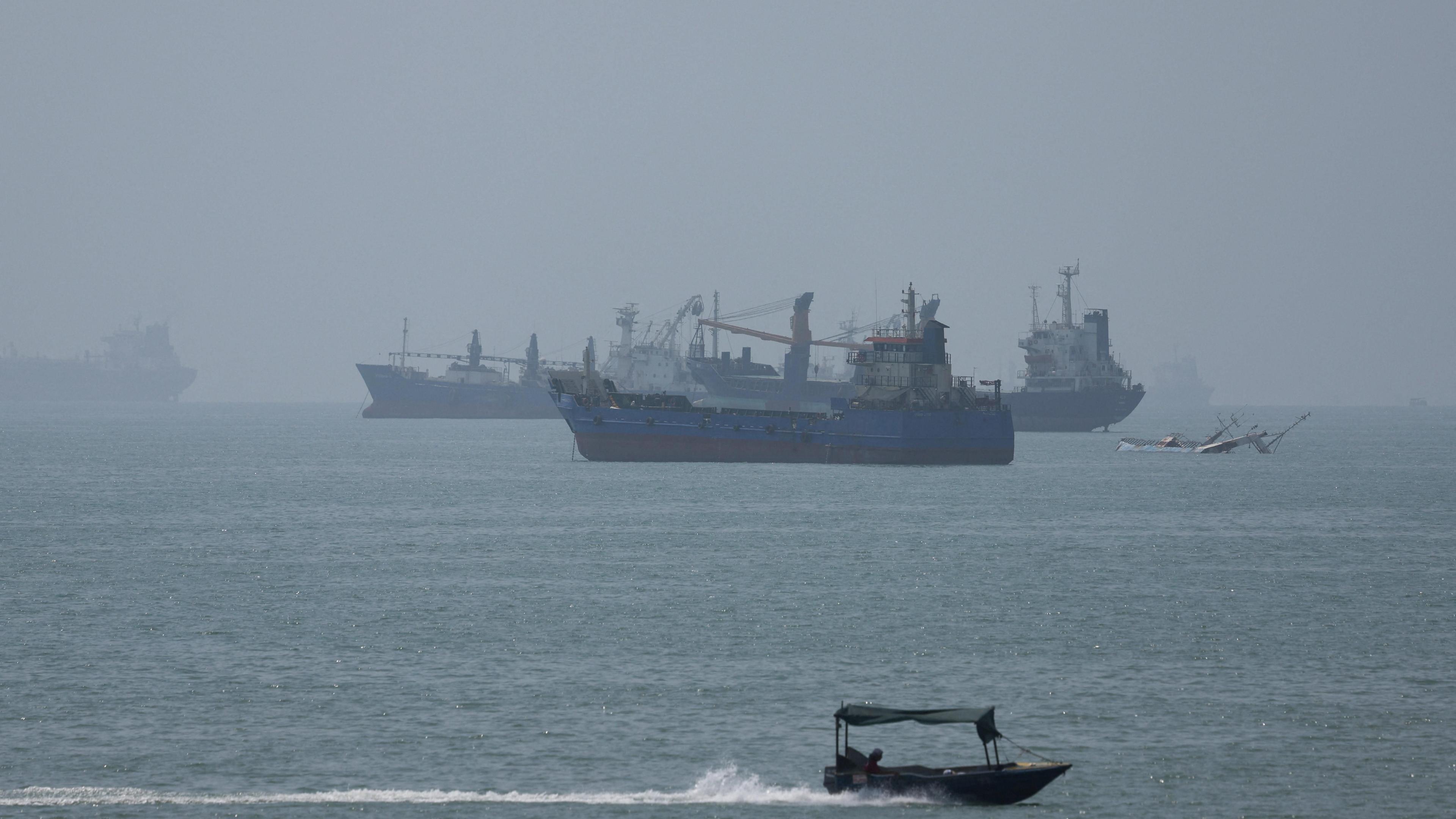
At least 67 people lost their lives when they attempted to swim across the channel, their bodies recovered in the water with abandoned floating devices. Though many later returned to Morocco, the tragedy exposed gaps in border management and a broader debate about migration policy within the European Union.
Political Fallout
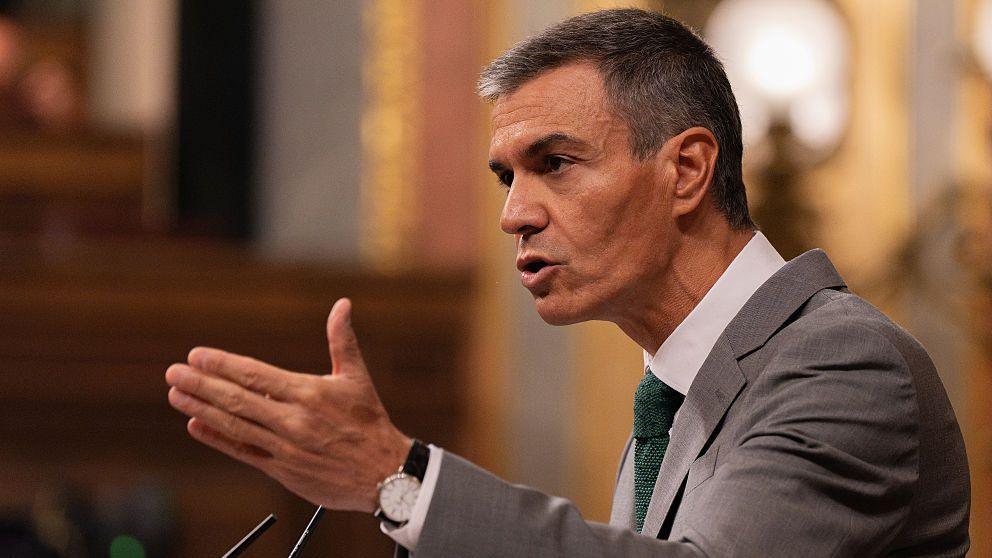
Spanish Prime Minister Pedro Sánchez publicly criticised Italy’s leaders, accusing them of politicising a humanitarian event. Italian Prime Minister Giorgia Meloni, leader of the hard‑right Fratelli d’Italia, responded by suspending the Schengen agreement with Spain, citing national security concerns. Sánchez, representing a government that has recently been reforming Spain’s migration laws, argues that Ceuta’s status as a non‑Schengen zone mitigated the risk of uncontrolled flow into mainland Europe.
The surge has coincided with Italy’s pending elections, providing the right‑wing coalition with a platform to showcase tough‑on‑migration stances. EU officials now face pressure to convene an emergency meeting to discuss border security, offering a chance for both the EU’s right‑wing and left‑wing factions to assert influence.
The Role of Social Media
Viral posts across platforms painted Ceuta as a “gateway to Europe,” featuring images of migrants in wetsuits and devices to cross the sea. These narratives, which later proved misleading, amplified the event in the eyes of the public, creating a heightened sense of urgency and distrust. Migrants themselves shared videos of the journey, reinforcing the myth of an easy pathway, while local authorities rebutted these claims, citing legal restrictions and safety measures.
Border Reinforcement
Spain has already expanded its sea‑border fence, attaching buoys to the jetty and increasing patrols to deter future swimmers. The UNEVER‑noteworthy coalition about external borders’ risk management might lead to tighter EU border controls, a response that resonates with both anti‑migration adversaries and advocate groups for humanitarian support.
Socio‑Cultural Dynamics
Public opinion in Spain reflects a tension between the need for a pragmatic approach to a rural, ageing workforce—Spain’s current immigration policy seeks to regularise undocumented migrants—and the political cost of appearing soft on migration. The event also renews underlying geopolitical tensions with Morocco, though Spanish officials have highlighted cooperation with Rabat, while critics urge a firmer stance.
Looking Ahead
The immediate response is a combination of physical barrier reinforcement and diplomatic dialogue. While the international community watches Europe’s internal politics, the incident underscores the importance of balanced governance: protecting migrants’ rights while maintaining security and clarifying the narrative people encounter online.