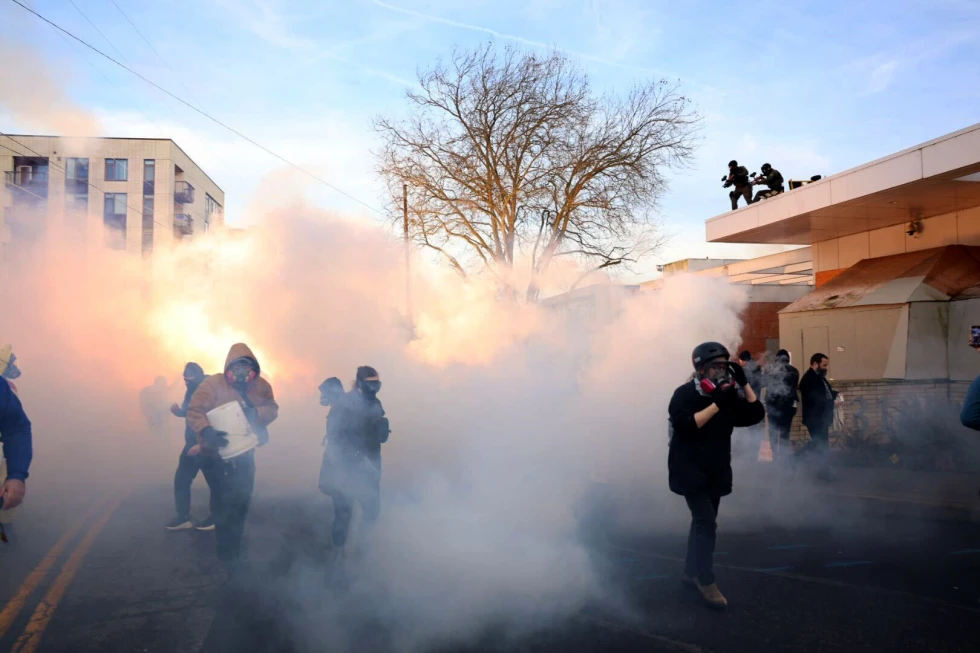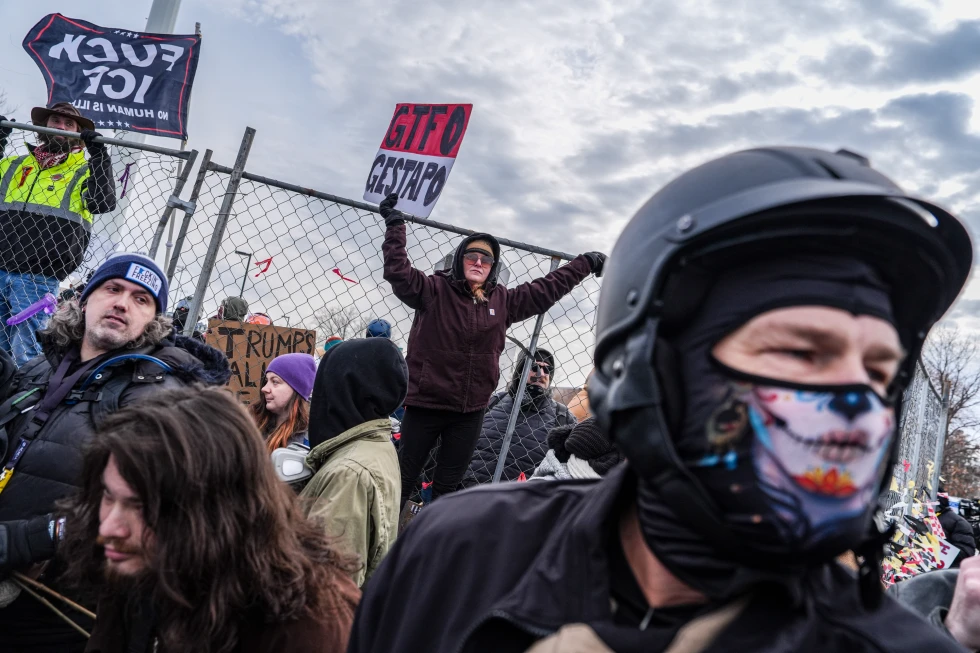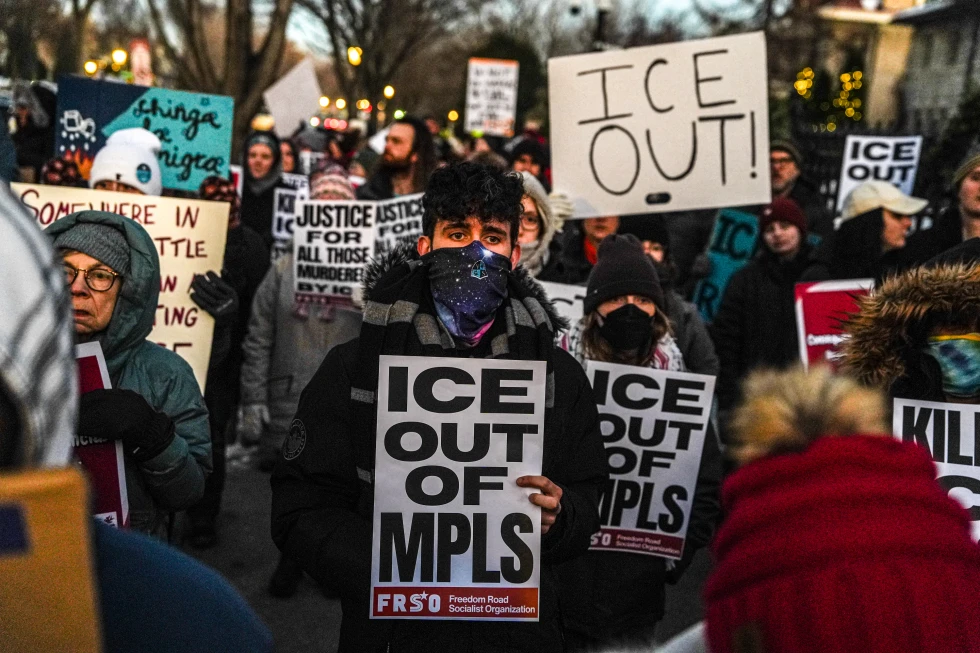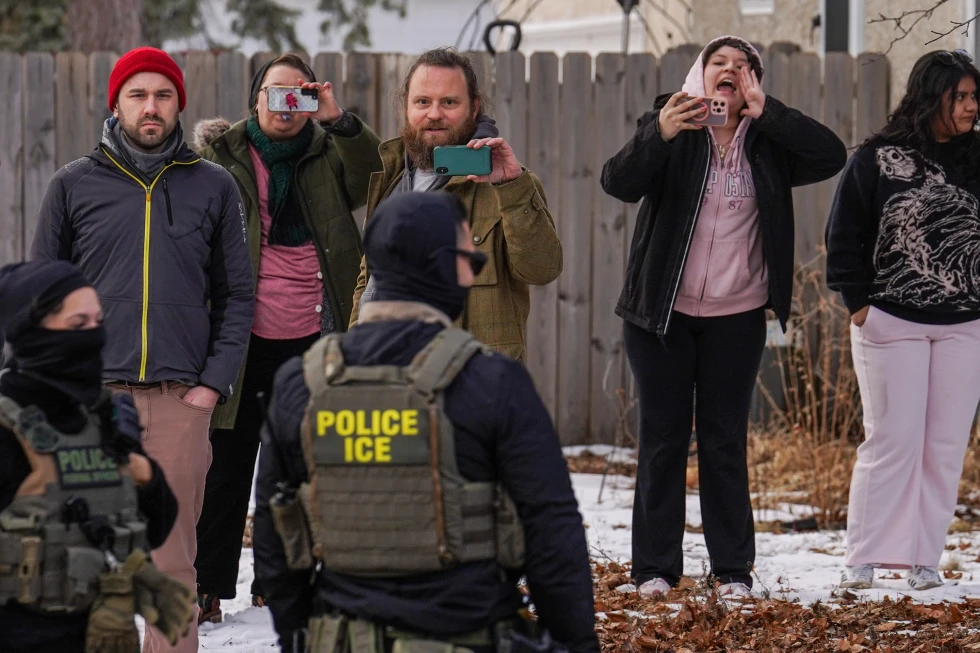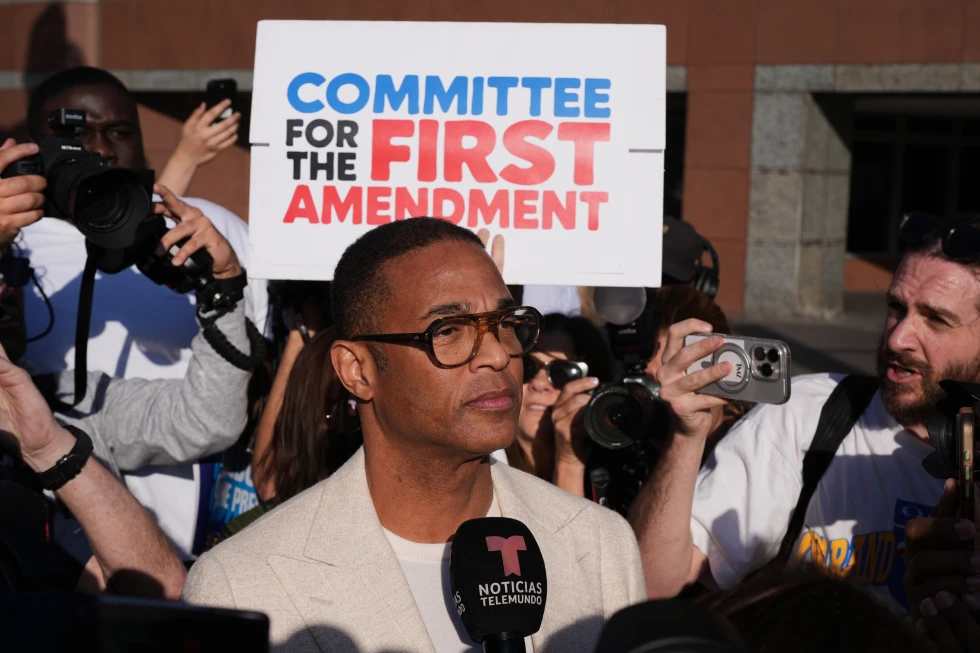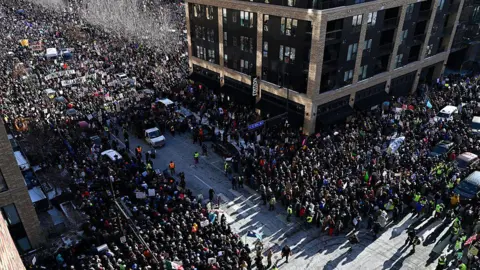
Hundreds of businesses in Minnesota closed on Friday and thousands of protesters turned out in severely cold weather to demonstrate against the ongoing immigration crackdown in the state.
The widespread rallies come after organisers encouraged residents to skip work or school and refrain from shopping in a show of opposition to US Immigration and Customs Enforcement (ICE).
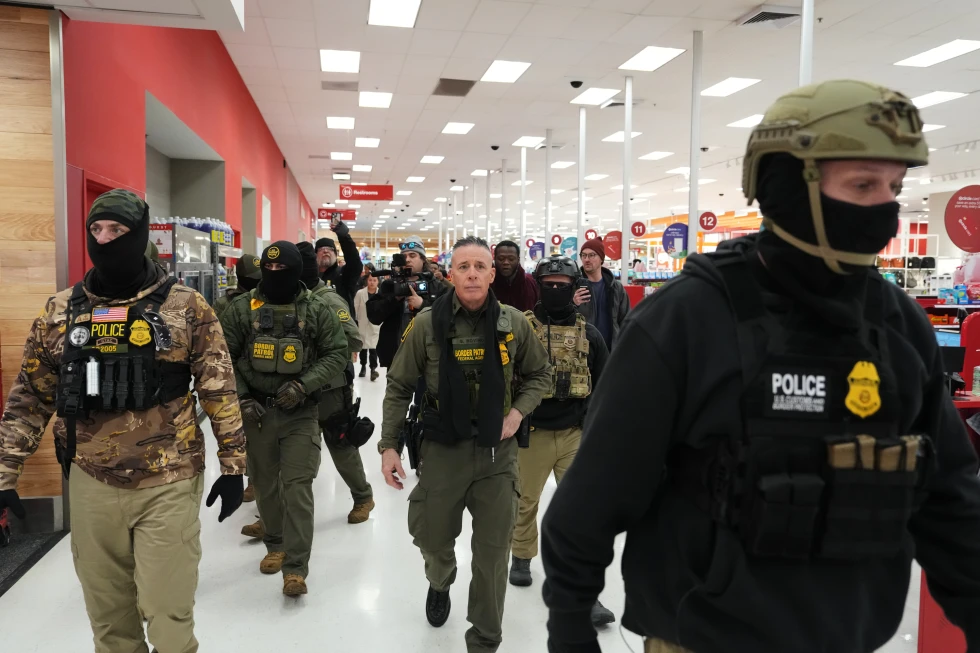
The ICE operation ordered by the Trump administration in Minnesota has been going on for more than six weeks. The administration has characterised it as a public safety operation aimed at deporting criminals illegally in the country. Critics warn migrants with no criminal record and US citizens are being detained too.
On Friday, about 100 clergy members were arrested at the Minneapolis airport while holding a protest calling on US airlines to refuse to transport detainees arrested by ICE.
A spokesman for the airports commission told the Minnesota Reformer that the arrests took place after the permitted activity went beyond agreed upon terms and was done to protect public safety and airport access.
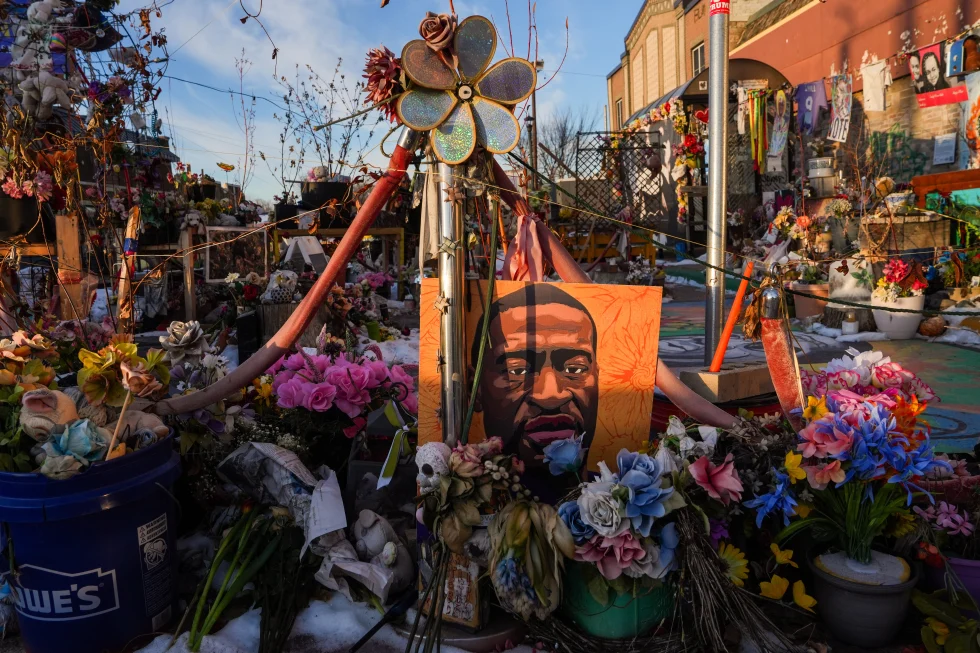
Thousands of federal officers have been deployed to Minnesota as part of Operation Metro Surge. The killing of 37-year-old Minneapolis woman Renee Good earlier this month flared tensions across the state and brought condemnation from local officials.
We want ICE out of Minnesota, and we want ICE out of every state, with their extreme overreach, said Bishop Dwayne Royster, whose organisation Faith in Action is supporting local partners in Minneapolis during the strike. We want Congress to stand up and provide oversight to ICE.
Friday's marches are thought to be the largest display of opposition to date to the current immigration policy in the state, as thousands of people walked downtown through temperatures of -23C (-10F). As they made their way to the city's NBA arena to hold an anti-ICE rally, taking place on the court of the Minnesota Timberwolves, protesters chanted and played music.
Minneapolis resident Corey Lamb closed his business, Harriet Grove Botanicals, in solidarity and headed to a protest. He objected to the presence of ICE agents in his city, and was outraged by Good's death.
He also saw the immigration raids as an economic threat to his business, and others in his community.
We have a lot of friends that we rely on, we have a lot of businesses that we rely on, in order to make our business work, Lamb told the BBC.
Kim Bartmann, owner of several Minneapolis restaurants, noted the economic impact of the protests, stating, Everyone is in solidarity, but everyone needs to buy groceries and pay their rents. She closed her businesses as a statement against ICE's presence.
Incidents of detention have escalated concern among residents, including the recent detention of students and a child, highlighting the impact on local communities. Calls for policy changes continue to resonate amid these protests.