
In brief
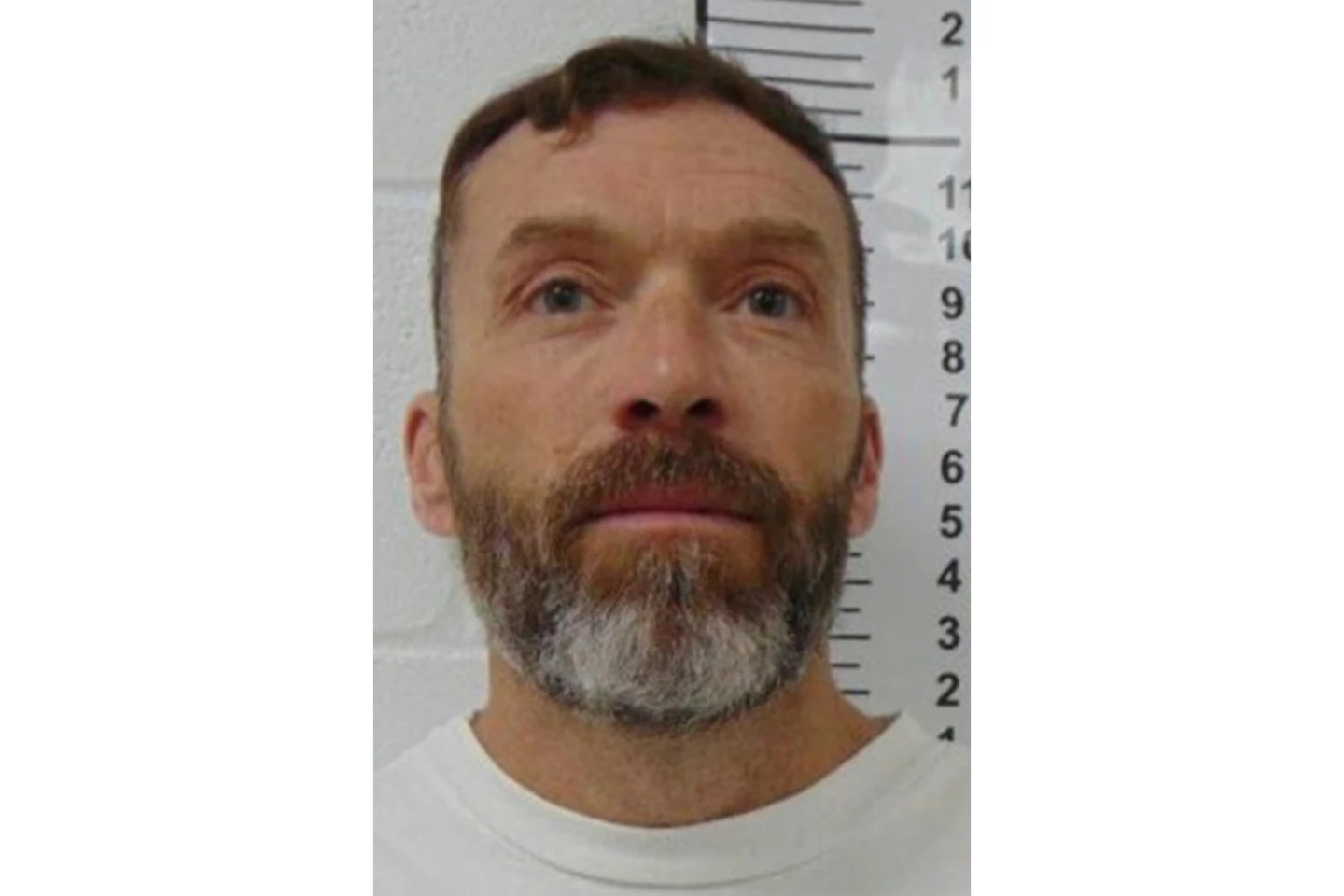
Lance Shockley was executed on Tuesday in Missouri for the 2005 fatal shooting of State Trooper Carl Dewayne Graham Jr. Despite maintaining his innocence and attempts for DNA testing of evidence, Shockley's appeals were denied. His case has drawn attention to the complexities of the justice system and issues regarding capital punishment.
A Missouri man who long maintained his innocence was executed on Tuesday for the fatal shooting of a state trooper more than 20 years ago. Lance Shockley, 48, was pronounced dead at 6:13 p.m. following a lethal injection at the state prison in Bonne Terre. Shockley was convicted of killing Missouri State Highway Patrol Sgt. Carl Dewayne Graham Jr. in March 2005, after prosecutors alleged that he waited for hours near Graham’s home and shot him with a rifle and shotgun after the trooper exited his patrol vehicle.Shockley’s execution coincided with another execution taking place in Florida, where Samuel Lee Smithers died by lethal injection for committing two murders in 1996. In his final moments, Shockley communicated with loved ones in the witness room, before reciting a statement of hope and reassurance.Prior to his execution, Shockley was visited by his daughters and a friend and chose a last meal that included peanut butter and oatmeal. His attorneys had unsuccessfully sought to stop his execution, arguing for DNA testing on evidence that they claimed could potentially exonerate him. They asserted that even a slight possibility of being cleared warranted further tests.Previous appeals included requests for clemency, which were denied by Missouri Governor Mike Kehoe, who reinforced the state’s commitment to supporting law enforcement. Shockley was implicated in Graham's death due to circumstantial evidence, including the allegation that he shot the officer due to an investigation of involuntary manslaughter regarding a fatal accident involving his friend.At the time of the shooting, prosecutors claimed Shockley had conducted prior inquiries into Graham's whereabouts and disposed of ammunition that could link him to the crime. However, Shockley’s lawyers argued that the evidence against him was largely circumstantial, and witnesses had placed him at a different location at the time of the murder.Despite this, Missouri officials upheld the conviction, stating that favorable DNA results would not have undermined Shockley’s guilt. His execution marks the first in Missouri in 2025, with no additional executions scheduled for the year.


