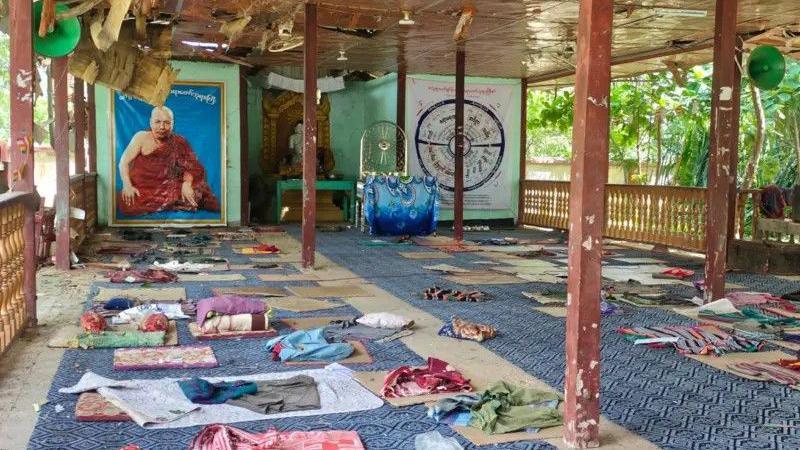
South Korea’s leaders face a nation‑wide crisis as a tiny 0.72 total fertility rate shows the country’s children are failing to replenish itself. To counter this trend, a 30‑hour dating retreat was staged in the historic halls of Donghwasa Temple, a site that once served as a monastery‑militia during invader setbacks in the 1500s. The retreat gathered 24 singles—half men, half women—selected from a competitive field of 1,600 through questionnaires and selfie videos that measured their commitment to marriage and children.
The event opens with monks cluing participants in a mission to save the nation, guiding them through a series of workshops, group talks and talent shows. Participants share stories of why they feel isolated, yet are encouraged to view the day as less pressure and more opportunity for spontaneous connection. The experience was framed by monks’ teachings of compassion, and each activity was designed to lower barriers and spark conversations.
Men and women walked through forested paths while exchanging polite smiles. Men hand out homemade pastries as subtle gestures of affection, while women pick up a plastic rose during lunch to indicate an interest. A point of light shows a group’s adaptation of a talent show, with music, dancing and shy speeches – all in the temple’s courtyard.
The retreat’s climax is a monk’s speech on the duty to procreate, followed by a national anthem that many participants sang out of breath. The night continues with flexible schedule, a promised final check‑in where participants could declare their partners. By the close, eight couples formed, while the others walked away with fresh friends and confidence.
The retreat represents a creative blend of ancient tradition and modern social needs. It hints at a future where public welfare, culture and faith join forces to address demographic challenges. Even if only a few couples emerge from this day, the message is clear: empathy, community and spirit can be harnessed to shape society’s path forward.