
In brief
The National Guard's deployment in Memphis is set to commence following a court ruling that blocks their deployment in Chicago for at least two weeks. The legal battle reflects deep political divisions, with Democrats arguing that the Guard's presence is unnecessary and illegal amid a perceived lack of evidence for unrest. Meanwhile, the Trump administration cites rising crime rates to justify the deployments, further complicating the narrative surrounding public safety and federal authority.
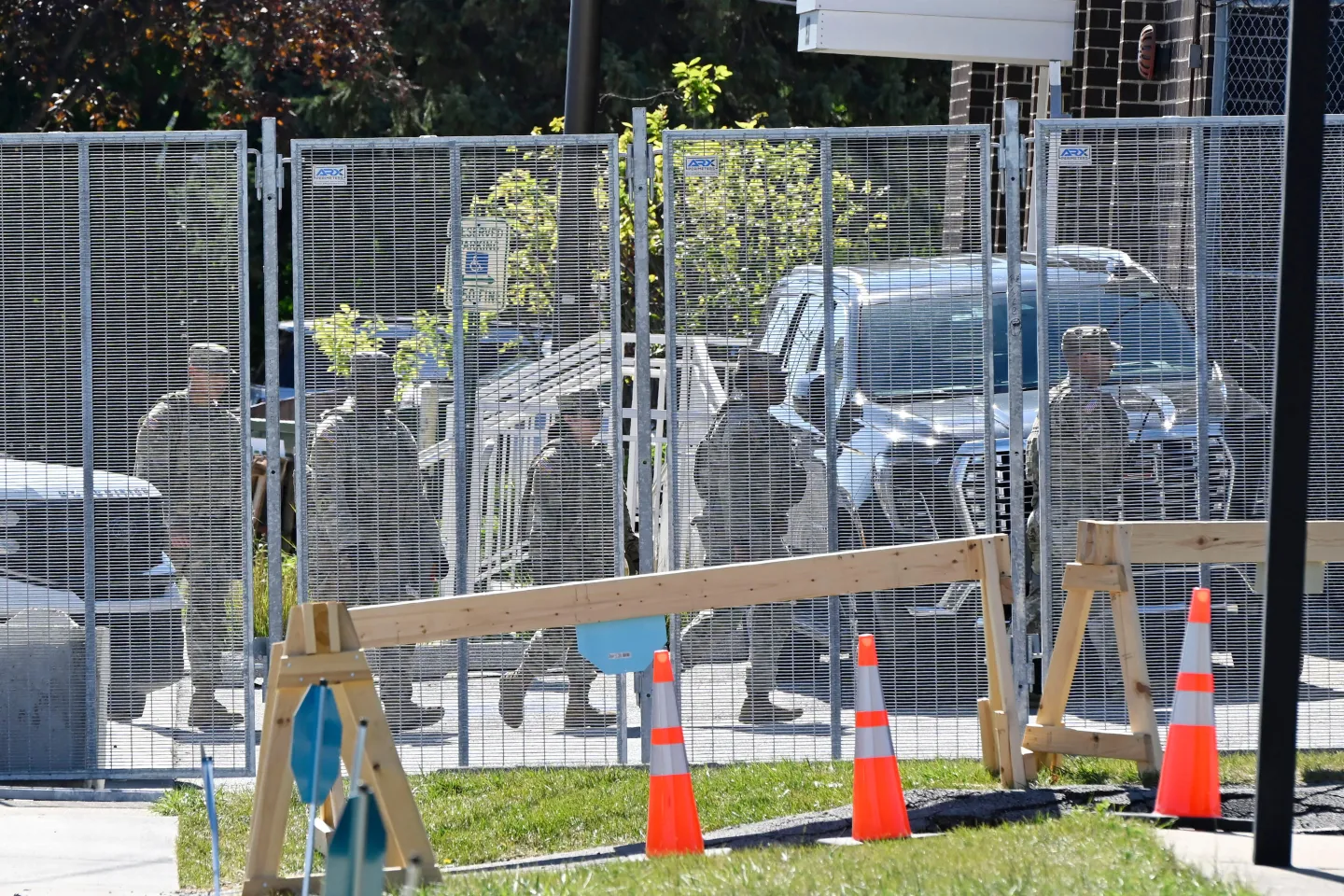
National Guard troops are expected to begin patrolling Memphis as part of their deployment strategy, while a federal judge in Illinois has temporarily blocked their deployment in the Chicago area for at least two weeks. This legal battle has emerged from politicized decisions surrounding President Donald Trump’s push to send the National Guard to several U.S. cities, citing crime and unrest, though crime statistics do not always support such claims.
The legal framework for dispatching troops rests on the Insurrection Act, allowing a president to send active-duty military forces into states, but Judge April Perry found little substantial evidence suggesting a rebellion in Illinois in the wake of Trump's immigration crackdown. This ruling has been seen as a significant victory for Democratic officials in the state.
Governor JB Pritzker emphasized the court's conclusion, stating, There is no credible evidence of a rebellion in the state of Illinois, and no place for the National Guard in the streets of American cities like Chicago.” Meanwhile, Tennessee's Republican Governor Bill Lee supports the troop deployment in Memphis, positioning it as a means to bolster local law enforcement.
As the legal complexities unfold, the Illinois order blocking the deployment is set to expire on October 23, with a hearing scheduled for October 22 to decide on an extension. The ramifications of this legal battle extend to other states, including Oregon and California, where similar disputes about troop deployments are ongoing. Dissenting states, particularly led by Democrats, are rallying against what they deem an overreach of federal authority, while others support the president's strategy to combat crime through military presence.
Critics of the deployments argue they are unnecessary and violate constitutional rights, triggering further debate over public safety, state autonomy, and the police military complex. With troops activated for continual service, the immediate future remains uncertain as both communities and officials grapple with the implications of militarization within urban settings.


