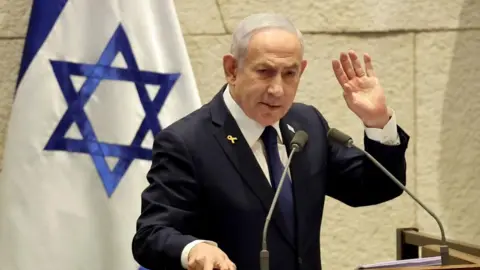
Israeli Prime Minister Benjamin Netanyahu has asked the country's President, Isaac Herzog, for a pardon over corruption cases he has been battling. The president's office stated that Herzog would consult justice officials before considering the request, which is loaded with significant implications.
Netanyahu has been on trial for the past five years on charges including bribery, fraud, and breach of trust connected to three distinct cases. He has consistently denied any wrongdoing. In a recent video address, he articulated that while he would prefer to see the trial concluded, the national interest required a different approach.
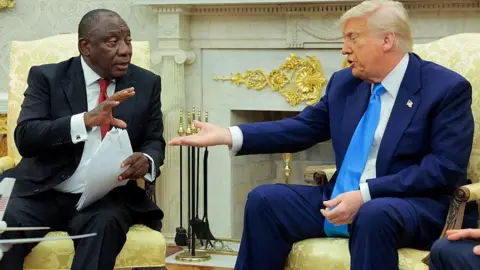
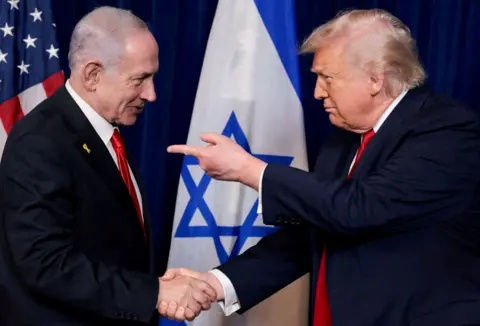
Opposition parties have reacted strongly, asserting that Netanyahu should acknowledge his guilt prior to pursuing a pardon. Early this month, U.S. President Donald Trump also urged Herzog to issue a full pardon to Netanyahu. Herzog had previously indicated that formal requests must be submitted by individuals seeking pardon.
The release of Netanyahu's request confirmed its significance, though the timeframe for a presidential decision remains undisclosed.
Netanyahu's trials concern allegations of exchanging gifts from powerful businessmen, attempting to influence positive media coverage, and more. He has labelled the proceedings as politically motivated.
In light of his current legal troubles, Netanyahu has suggested that a timely end to his trial could foster unity and stability within Israel, claiming it is necessary for the country to focus on its pressing security challenges.
However, his call for a pardon has led to accusations of conflating personal interests with those of the country. Key opposition figures, including Yair Lapid, have conveyed that no pardon should be granted without an admission of guilt. The left-wing political community views such a pardon as contrary to Israel's democratic integrity and legal values.
Amid ongoing societal divisions and protests over judicial reforms, the issue of Netanyahu's potential pardon brings forth various perspectives, intertwining legal contexts with broader political implications. The situation remains a focal point of contention within Israel's complex political landscape.