New 'Likweli' Monkey Species Discovered in Congo’s Dense Forests
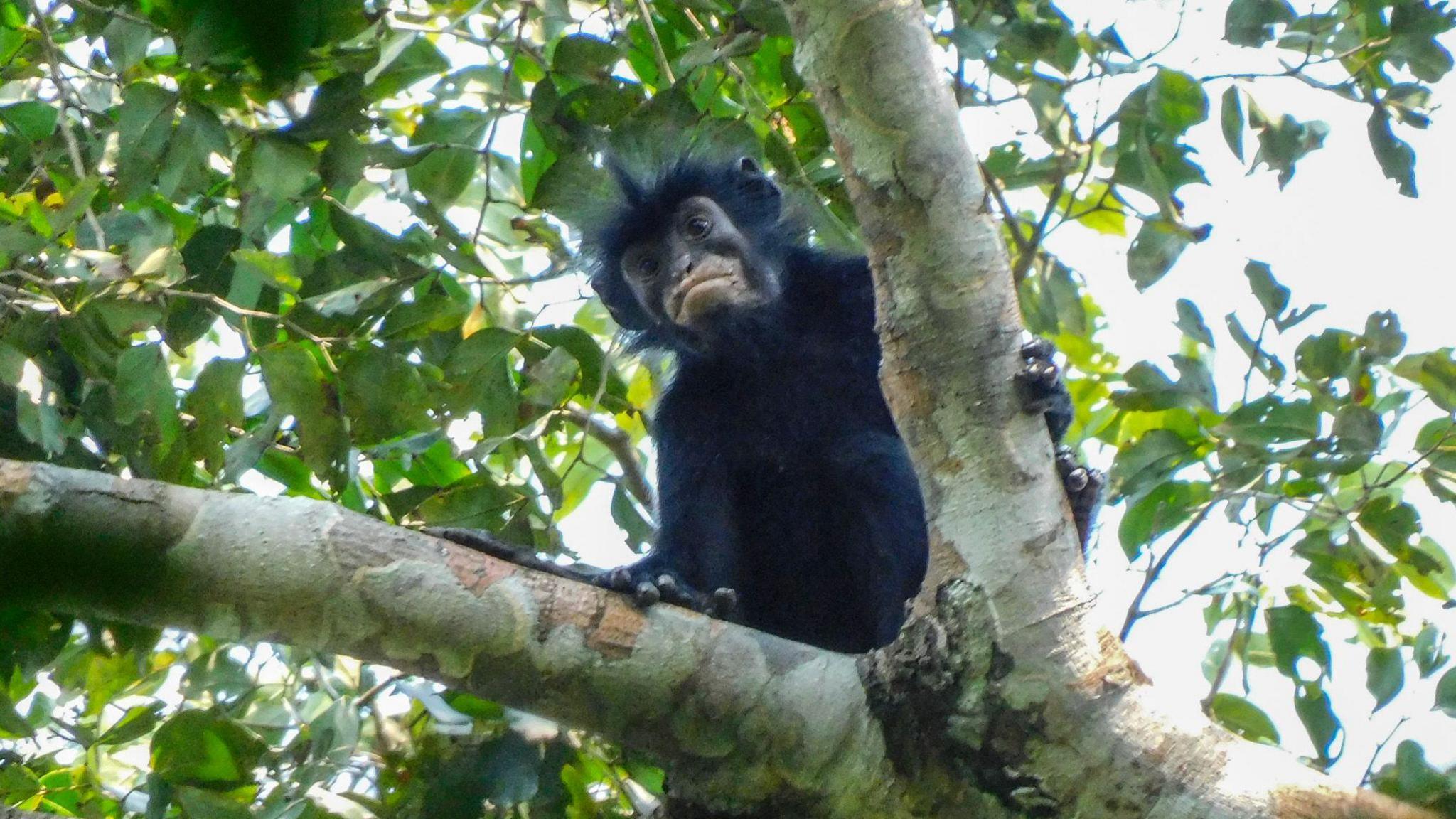
A primate with striking pinkish‑orange lips and a black face has been confirmed as a new species in the Democratic Republic of Congo.
The discovery, made in the high tree canopy of Lomami National Park, shows that even in well‑studied regions new species can remain hidden for decades. The black‑furred animal, locally called Likweli, was first observed by conservationists in 2008, but only a blurry photo was captured.
Ten years later, an international team—comprising scientists from the DRC, the United States and Germany—returned to the forest. They used audio recordings, detailed photography and genetic tests to confirm that the animal was a previously unknown species, now named Colobus congoensis.
This is only the fifth new African monkey species to be described in the last 75 years. The team’s leader, Junior Amboko, a PhD student at Florida Atlantic University, highlighted that the species is elusive, preferring high canopy hide‑outs and being seldom seen by locals.
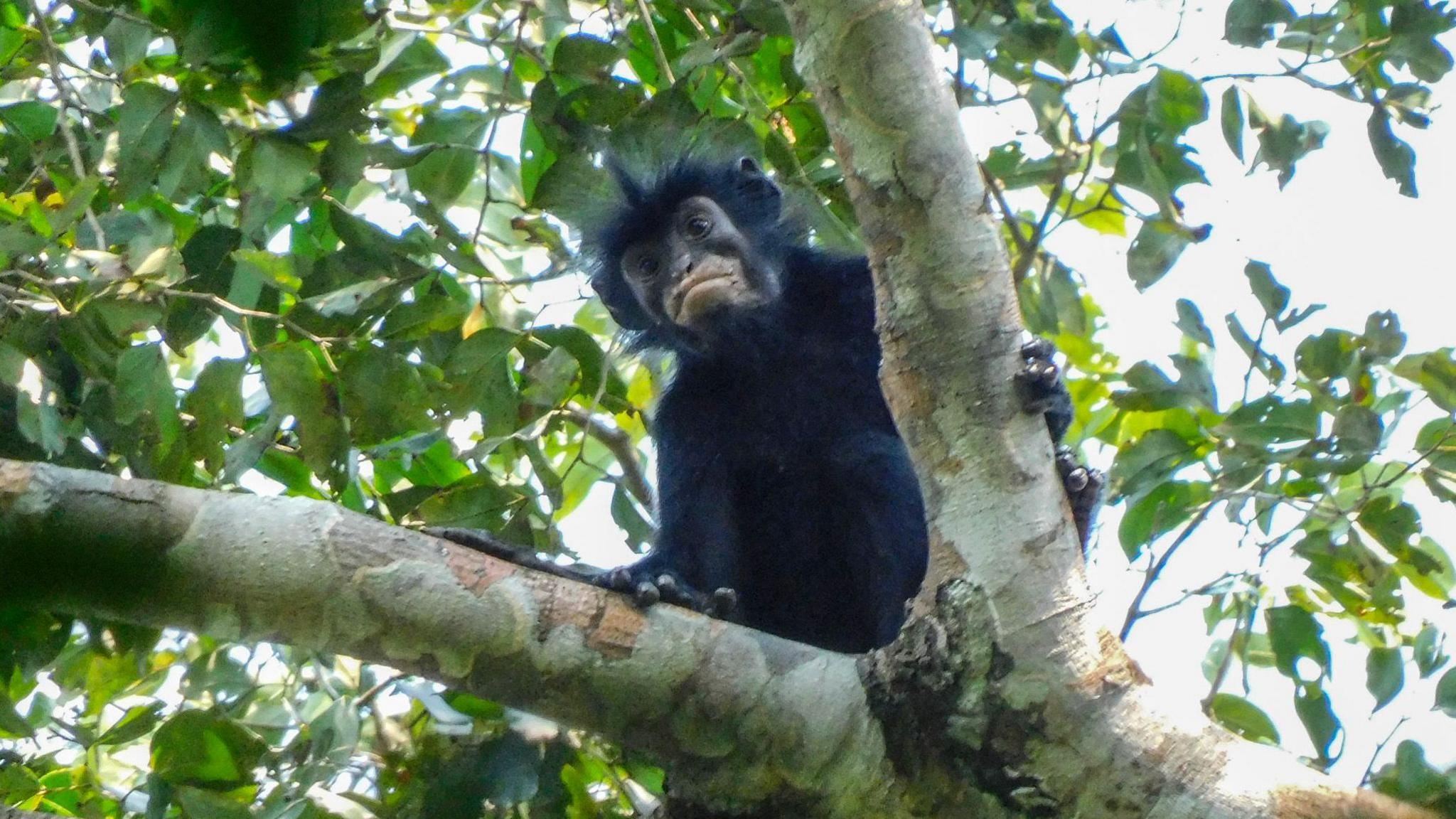
Experts emphasize the ecological importance of colobus monkeys. These herbivorous canopy dwellers play a key role in seed processing and forest regeneration. The distinctive facial markings may serve as visual signals for mating or recognition.
In addition to their curious appearance, Likweli monkeys emit a distinctive “roaring” call that can be heard throughout the forest, even when the animals remain hidden.
Because the monkeys are hunted for meat, scientists hope that official recognition of Colobus congoensis will enable targeted protective measures. Further studies will focus on population estimates, behaviour patterns, and habitat limits.
The discovery of Likweli underscores the need to continually survey remote ecosystems for hidden biodiversity, and highlights how small, unassuming species remain critical to ecological stability.