In brief
Vultures are disappearing across West Africa, a trend highlighted in Nigeria where hunting and illegal trade threaten species with near extinction. In the south‑eastern town of Awka‑Etiti, local resident Chukwuemeka Igwe, called the ‘Vulture King’, has mobilised villagers to protect the birds and practice traditional rites that honour them. Community‑run monitoring, local bylaws and education campaigns have helped bring the numbers back from near zero. National authorities are tightening customs controls, but enforcement must be paired with community engagement to halt the broad decline that has seen African vulture populations fall by 80–97% over five decades.
Vultures are disappearing in Nigeria – but the ‘Vulture King’ is fighting to reverse the trend
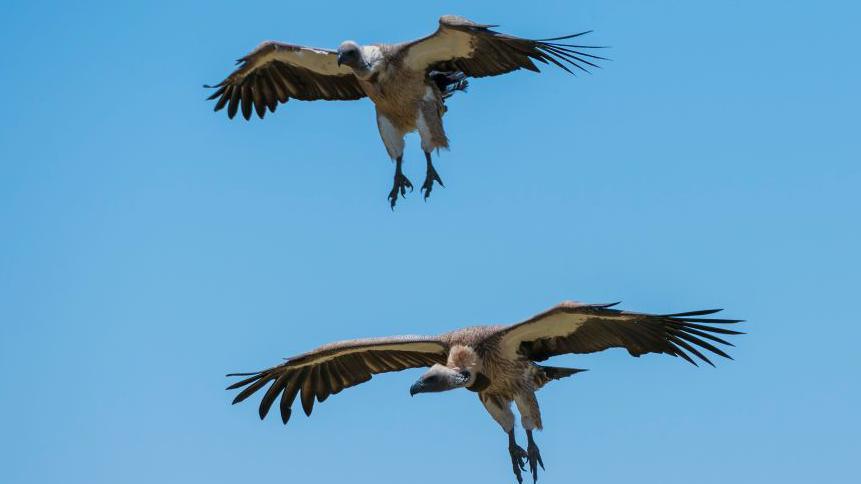
Across many West African cities the sky has grown quiet as vultures vanish, a loss that is increasingly hard to ignore. The birds, often associated with death, play a crucial ecological role: they feed on carcasses, breaking down dead animals within hours and preventing the spread of disease.
In the south‑eastern town of Awka‑Etiti, a sacred forest surrounds a shrine of the deity Nguma. Here the local community, predominantly Christian but still practising ancient customs, treats vultures as honoured guests. The shrine’s guardians, especially Chukwuemeka Igwe – nicknamed the “Vulture King” – argue that hunting of these birds is forbidden among indigenous peoples and that they are invited by offering fresh animal sacrifices that attract the birds. Their presence is seen as a positive omen, indicating that the deity has received the offering.
Despite these cultural protections, the birds have been under threat from hunting linked to traditional medicine, petro‑chemical poisoning and the spread of urbanisation. Scientists warn that hunting and the illegal trade of vulture parts, once common at 25 000–30 000 naira per bird and now reaching as high as 200 000 naira, have pushed several species towards extinction.
The “Vulture King” has taken an active role, working with the Nigeria Conservation Foundation (NCF) for over six years. He mobilises community leaders, local volunteers and security teams to guard the shrine, establish bylaws and escort birds away from hunters. Monitoring now records more than 160 vultures, compared with about 20 in 2017, a recovery that demonstrates the power of locally led conservation.
On a national level, Nigerian customs officials have seized protected wildlife exchanges and cooperate with the Convention on International Trade in Endangered Species (CITES). While enforcement is important, officials admit that community education is key to sustaining protection, a theme echoed in Awka‑Etiti’s success story.
BirdLife’s latest report shows African vultures have fallen 80–97% over the past 50 years. A West African Vulture Conservation Action Plan, drafted in 2022, aims to counter these losses by addressing hunting, poisoning, and habitat loss and by promoting community‑based approaches similar to those in Awka‑Etiti.
The story of Awka‑Etiti suggests that when a community places ecological value at the centre of its cultural practices, the birds not only return but thrive, offering hope for other regions facing similar challenges.