In brief
Nigerian businessman Richard Itoro, who ran a car‑dealership in Johannesburg, fled South Africa in June after repeated harassment amid rising anti‑migrant protests. He left behind his wife and twin children, citing safety concerns. The move has intensified diplomatic strains, as Nigerian officials note many legally documented nationals face attacks. Similar incidents with Ghanaian and other West African migrants have drawn international criticism and calls for greater respect for African solidarity.
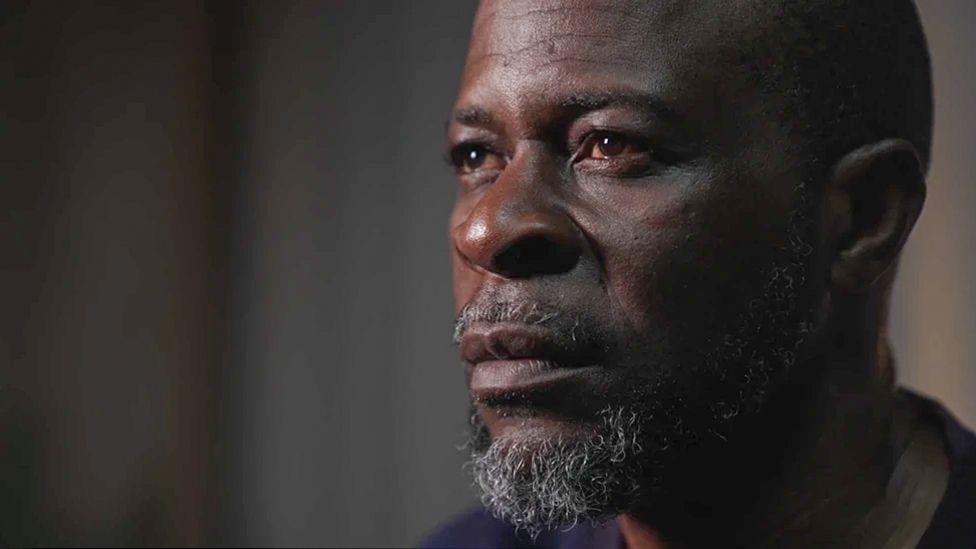
Richard Itoro’s departure from Johannesburg came after months of harassment linked to a surge of anti‑migrant protests in South Africa. The 47‑year‑old, who had built a business around car sales and secured a home, found it impossible to continue his life in a city where his safety was increasingly under threat.
Despite holding what he believed were legitimate residency documents, protesters targeted him and his wife, allegedly spreading misinformation that he was in violation of immigration laws. The situation left Itoro with a painful choice: remain and risk further abuse or leave with his family behind.
Itoro describes the flight as akin to a helicopter escape from a besieged city. While he hopes to reunite with his family soon, he now faces the possibility of never seeing his twins again, adding a deeply personal dimension to the broader diplomatic tension.
The South African government, citing high unemployment as a factor behind xenophobic anger, has maintained that it is prepared to enforce immigration laws while respecting the rights of legitimate foreigners. The Nigerian Ministry of Foreign Affairs, however, has raised concerns that many Nigerians with valid papers have been attacked, stating that such actions damage Africa’s image of solidarity.
This incident echoes similar experiences by Ghanaian expatriates—such as hairdresser Emmanuel Asamoah—who faced confrontation and intimidation in Johannesburg’s Soweto. Asamoah, who had secured a passport stamp for legal stay, was also forced to leave, later establishing a new venture back in Accra.
In Lagos, Itoro speaks daily with his wife, expressing hope that they will reunite once the political climate allows it. The experience underscores a new wave of frustration that could reshape linkage between African nations. The departure of several thousand foreign nationals—many with lawful documentation—continues to test South Africa’s commitments to Pan‑African principles of free movement and mutual respect.