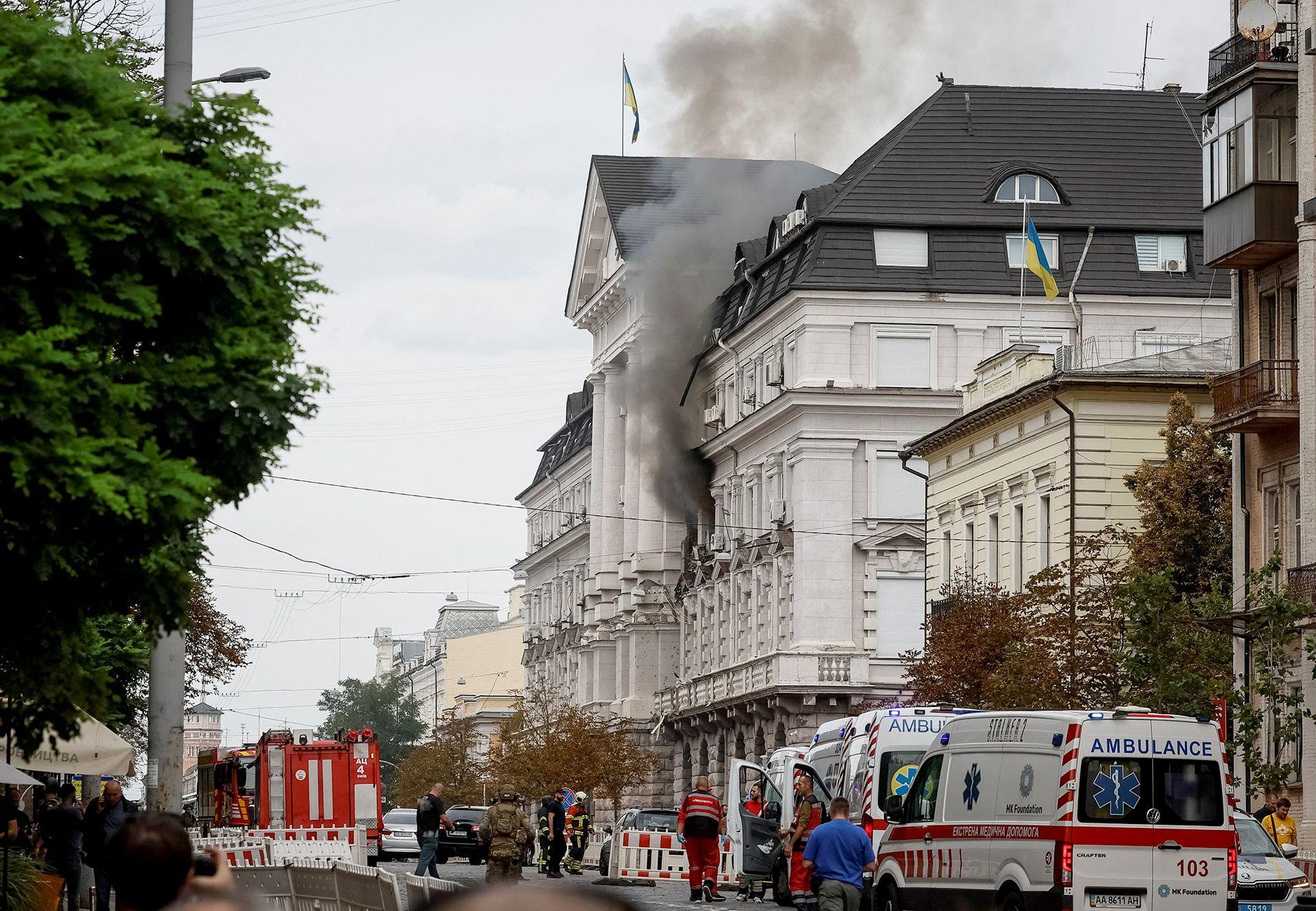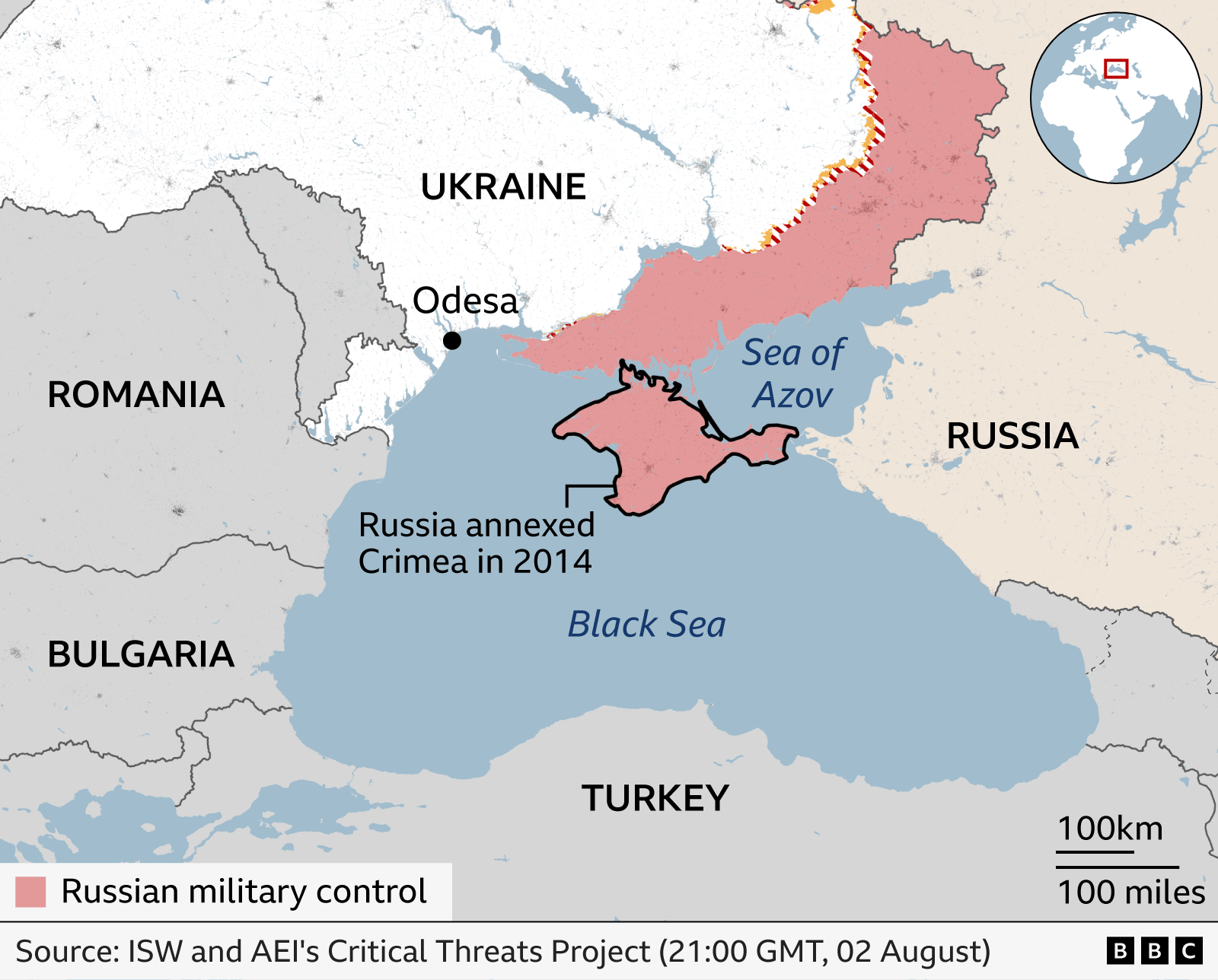
The dawn of August 6th saw the gun‑lit horizon of Odesa, Ukraine’s largest Black Sea port, illuminated by black explosions and the frantic flurry of sirens. The bitter tide of sound parallels the bitter news of the rise number of attacks – 57 Russian missile and drone strikes in July alone, with 22 occurring at sea and 67 striking port infrastructure.
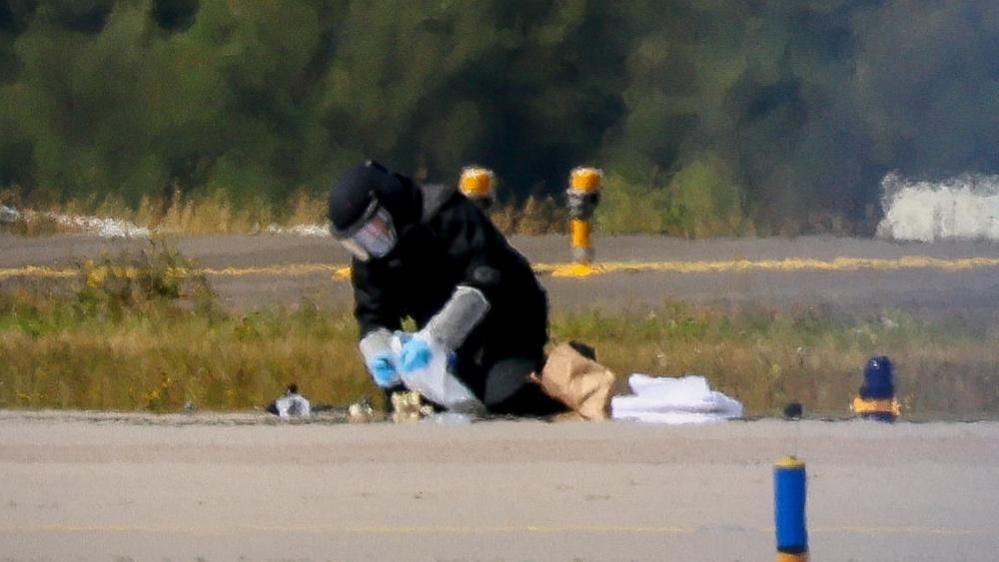
The port’s warehouse crews are silent, save for the clack of metal as a crane picks up an odd bullet‑filled piece of rubble. Svitlana Halchenko, a shift manager who survived a missile hit that took her partner and a driver, insists she will keep working as her leg still bears the weight of shrapnel. Her eyes tell more than words: tears leak beneath her glasses, a quiet grief that is now normalised for many nearby workers.
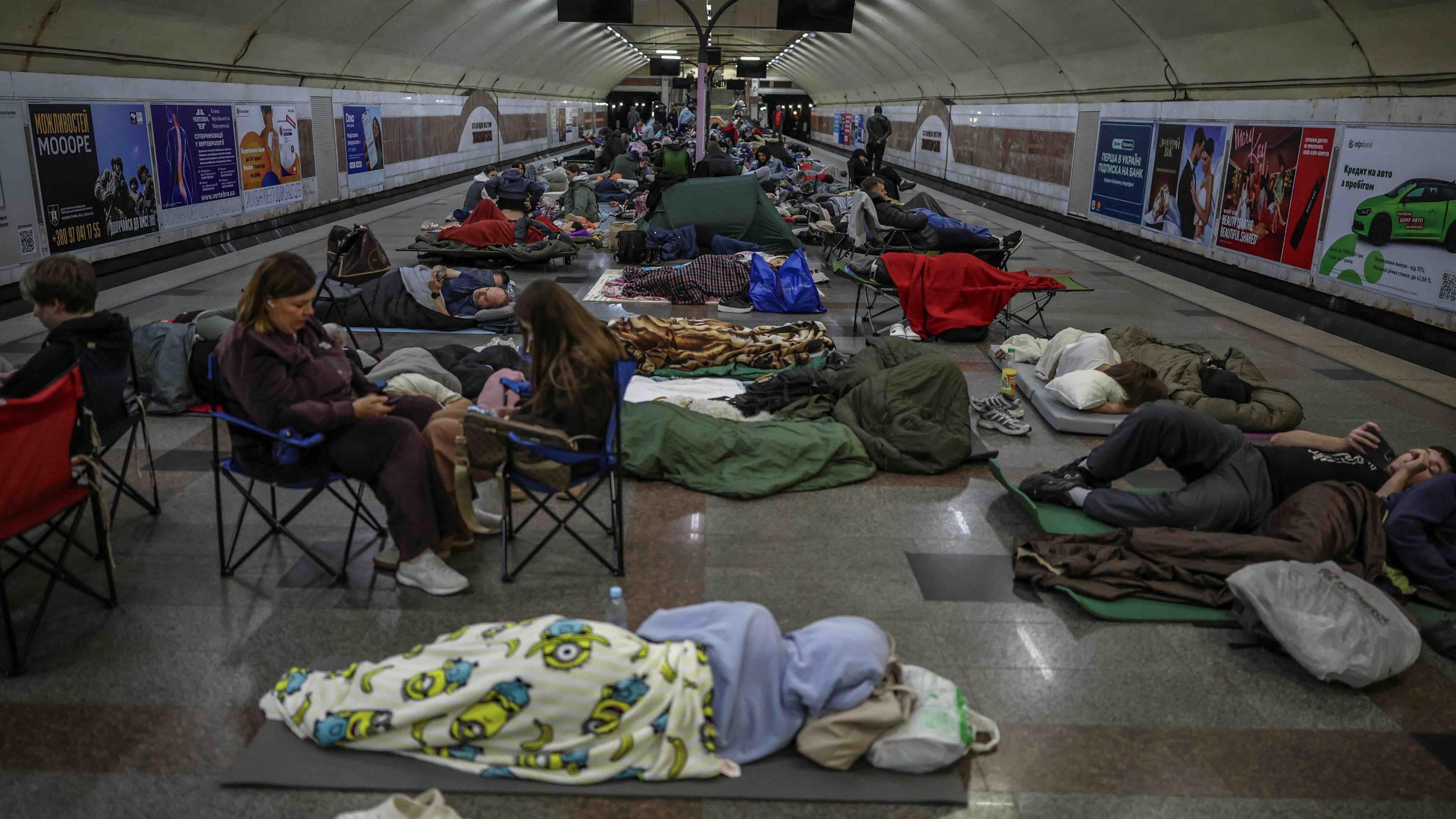
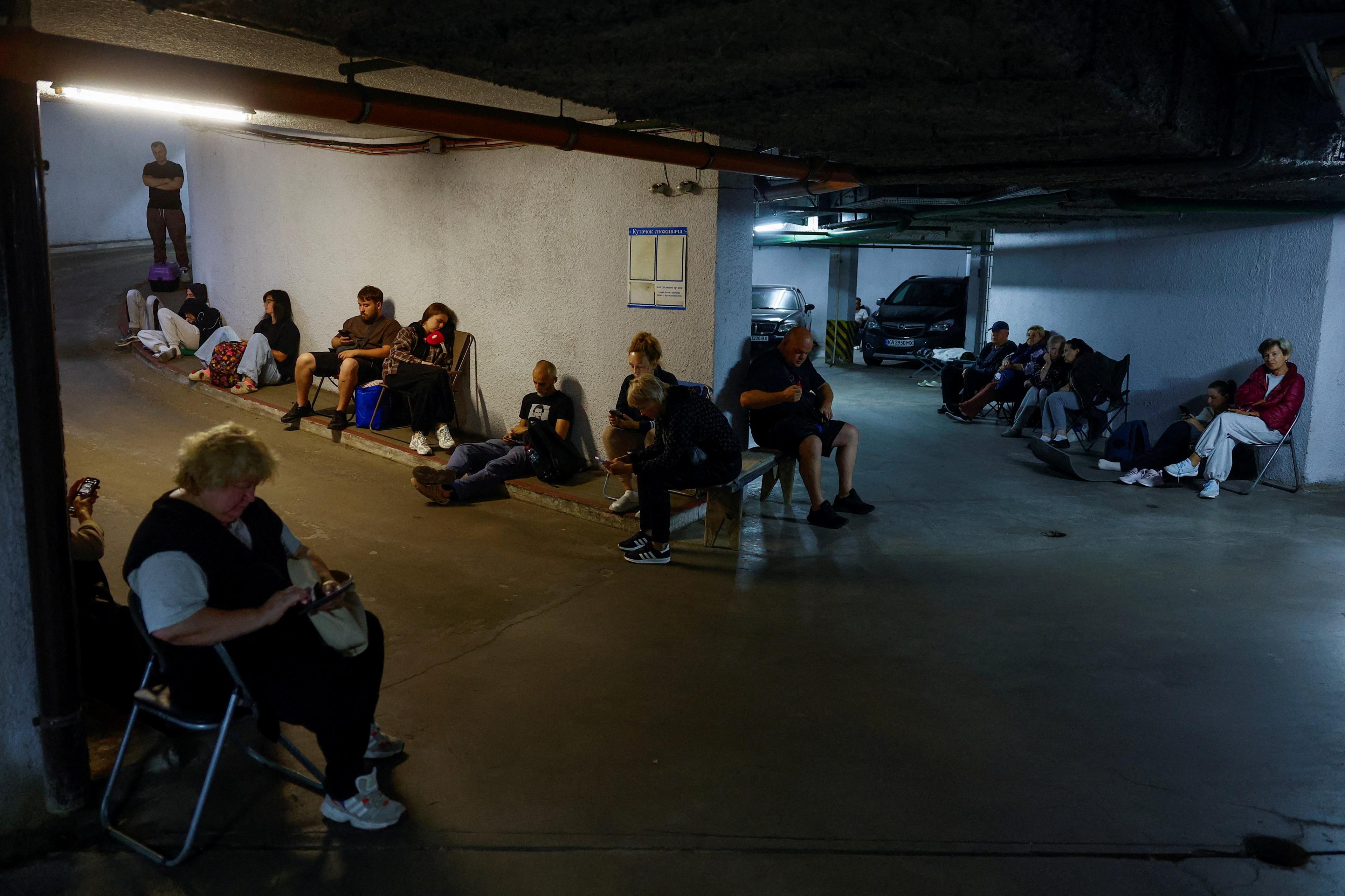
Oleg Grygoriuk, chairman of the marine transport workers union, laments that “being on the port is more frightening than being on the front line.” Only minutes separate a missile launch from its arrival, leaving crews with barely enough time to dive into underground shelters.
One of the few resisting the attack, a single freighter pushed shoreward, underlies a static black sea of broken vessels. Port supervisors have accepted the world’s fourth‑most dangerous corridor, because no shipward owner dares the risk in the presence of frequent sirens and the daily echo of the “Black Sea grain corridor” which was previously an export lifeline for the nation.
The sea still carries the weight of dream commodities – a single grain shipment on a cargo ship approaching the shunned harbour on July 19 was struck by magisterial missiles, ending with nine lost, including a Ukrainian pilot. The cargo, a shipment of Ukrainian corn, sank a week later, a harbinger of the new normal for commerce across the shoals.
The grain export that accounts for 6‑10 percent of global wheat and corn shrank into a third of its former capacity. Volodymyr Slavinskyi, director of a leading farmer’s club, calculated that the country may lose 700,000 metric tonnes that season alone.
Odesa’s local populace may be patched into a calmer life, as the city’s beaches populate with minds filled with the memory of a recent death – a 26‑year‑old woman killed by shrapnel that fell through a Russian drone. Overnight with a Ukrainian drone crash, swimmers fought the landing debris with an almost wooden grin, casey concrete ambition and the city’s cool weather all‑spike.
Additonal reporting by Kristina Volk, Anastasiia Levchenko, Volodymyr Lozhko and Joshua Cheetham.