In Odesa, no‑one is safe from Russia’s new Black Sea strikes

“My crane operator, my partner, died five metres from me… The driver remained in the cabin and also died,” Svitlana Halchenko, a warehouse shift manager, says over the scarred concrete of Odesa’s main port. The blast that tore through the pier left her with shrapnel under her skin and a limp that still carries the memory of that day.
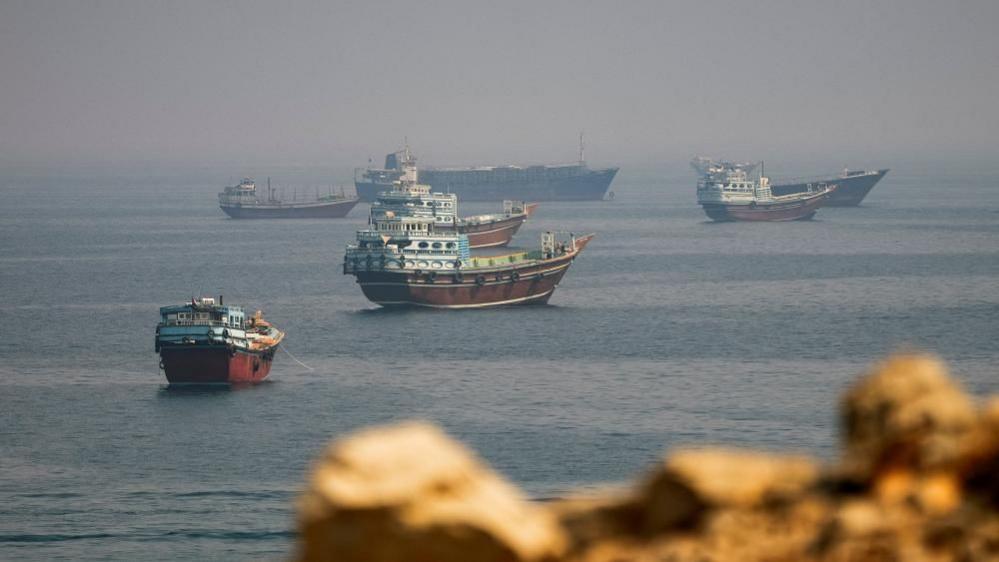
Behind the wreckage, the work area lies almost empty. The cranes sit in quiet, and the docks that once throbbed with cargo traffic have been reduced to a handful of ships.
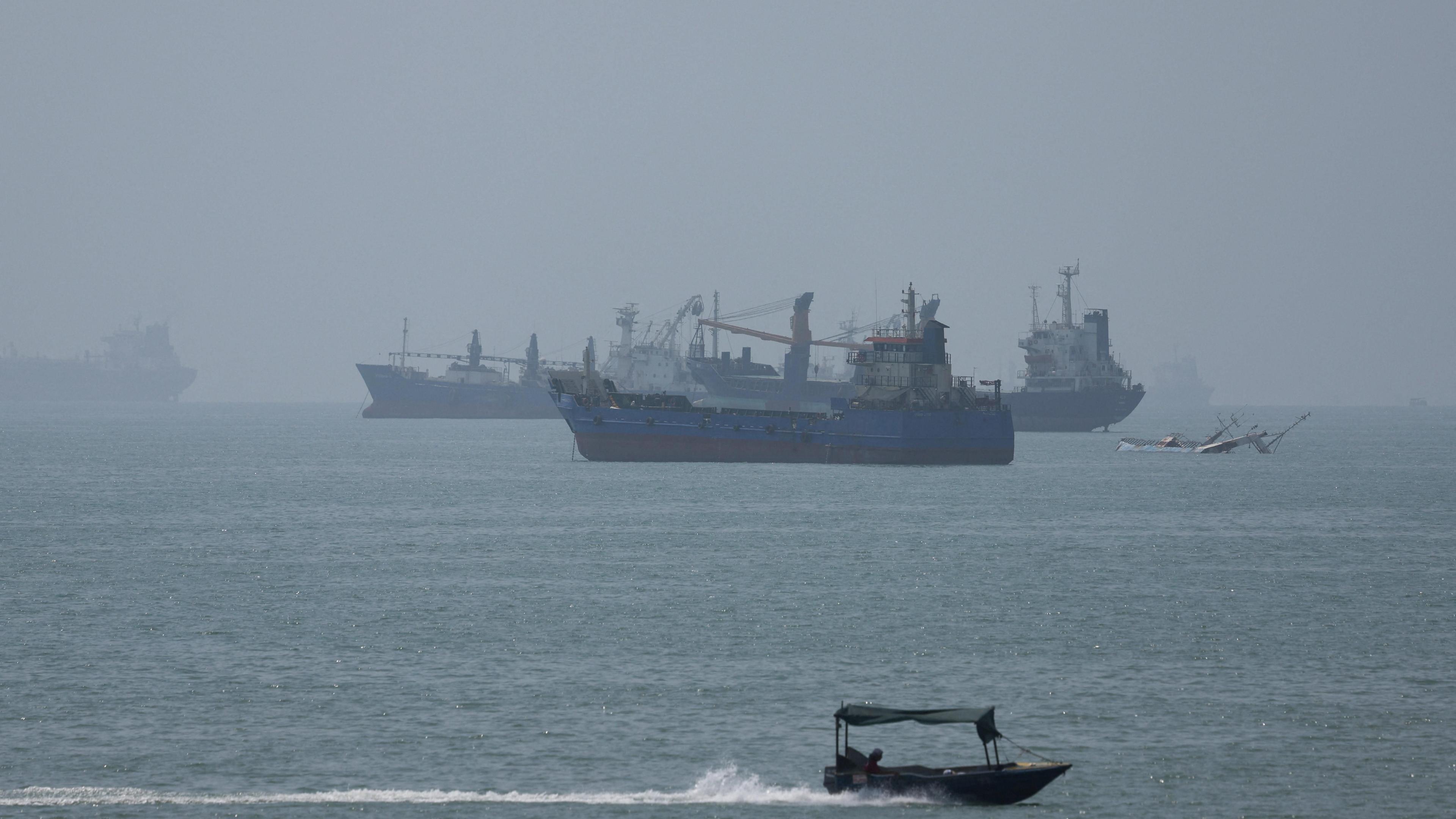
According to Ukraine’s port administration, July alone saw 57 Russian attacks on civilian vessels, 22 of them at sea, and an additional 67 hits on port infrastructure. The pattern shows a steady increase in both frequency and lethality, with the Turkish‑owned cargo vessel Golden Leo struck by three missiles on 19 July, killing nine crew members and a Ukrainian pilot.
The incident left the ship carrying Ukrainian corn to sink a week later, and a report by Lloyd’s List ranks July as the deadliest month for merchant seamen since Russia’s invasion began.
“My crane operator, my partner, died five metres from me… The driver remained in the cabin. He also died.”
– Svitlana Halchenko, Odesa port worker
Local authorities have given the port permission to operate under strict conditions: no filmed footage and no name‑calling of facilities so that they do not provide Russian forces with tactical information. Even with an open port, owners fear a “too great risk,” says Andrey Stavnitser, CEO of one of the region’s biggest ports. He reports that the yard shuts down about 15 hours each day because of constant warnings.
These air and sea strikes are part of a larger strategy to hamper Ukraine’s grain exports. Ukraine, once responsible for roughly 6 % of global wheat exports and 10 % of corn, saw its shipping capacity drop by at least a third since the war’s escalation. As farmers rush to harvest the summer crop, a halt in shipping threatens to leave thousands of tonnes of grain stranded and sold at lower prices.
While port workers and the shipping industry brace for continuing attacks, the impact reaches civilians too. In Odesa, people have taken to beaches and busker-packed streets under the roar of sirens. Tragically, in late June a 26‑year‑old tourist, Daria Kravchenko, died after shrapnel from an intercepted Russian drone landed on the beach. Earlier this week, a Ukrainian drone crashed onto a busy beach on Russia’s coast, killing seven and including three children.
These incidents underscore an often‑overlooked reality of maritime conflict: the danger extends from the sea to shorelines and beyond. As life in Odesa swings between the steel of damaged wharves and the heat of summer sun, the constant threat of air strikes has become a daily reminder of war’s reach.