
In brief
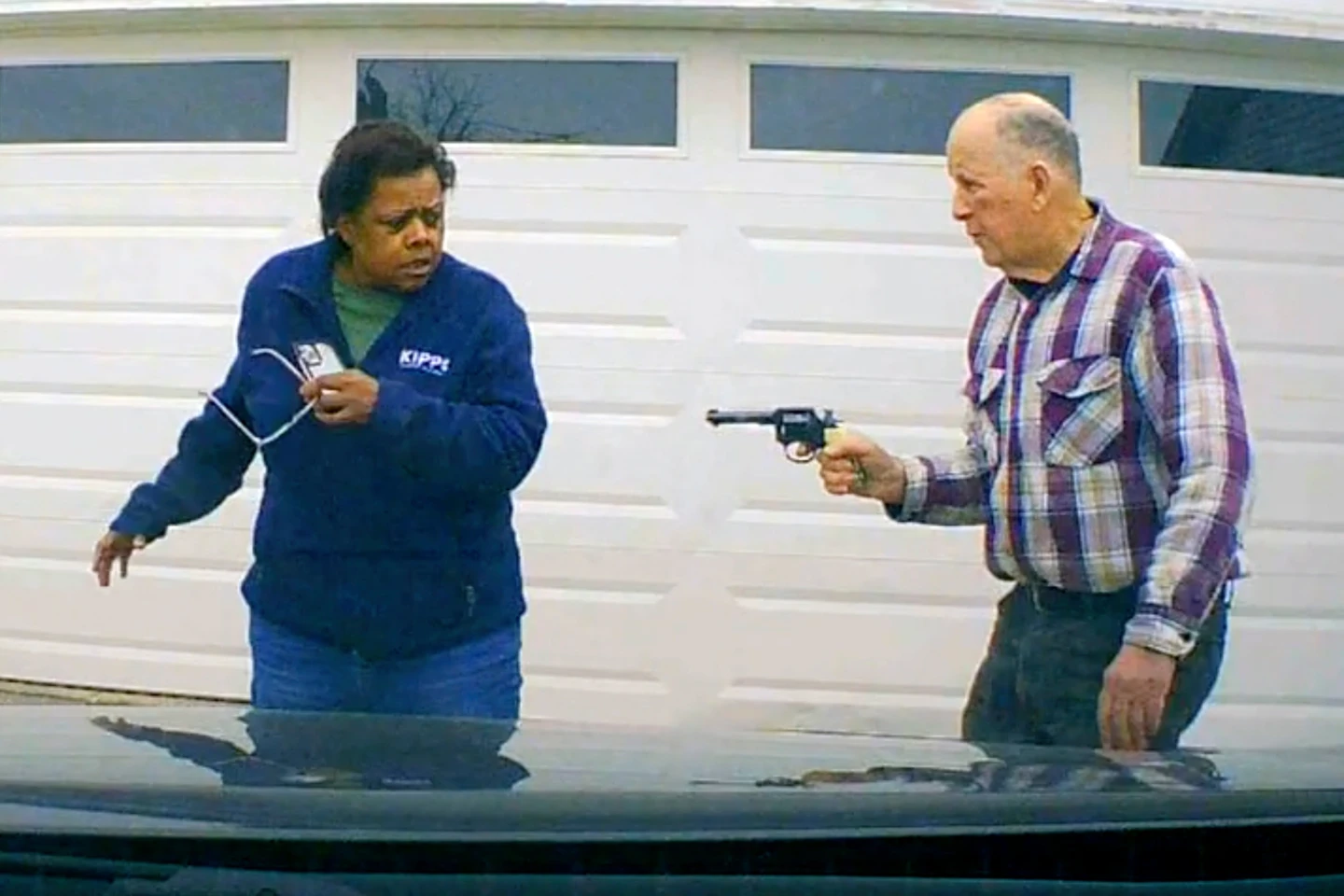
In a tragic case emerging from Springfield, Ohio, an 83-year-old man, William J. Brock, was found guilty of murder, felonious assault, and kidnapping in the shooting of 61-year-old Uber driver Lo-Letha Toland-Hall. The incident occurred after both Brock and Toland-Hall fell victim to the same scam involving false claims of bond money for a relative. Prosecutors argued that Toland-Hall posed no threat when she was shot, countering Brock's defense of self-defense based on perceived danger from a scammer. The shooting raises awareness about the persistent threat of scams targeting the elderly and the grave risks they pose to not only victims but also to innocent people caught in the aftermath.
SPRINGFIELD, Ohio (AP) — After a traumatic incident that left one family mourning and another facing severe consequences, an Ohio jury has convicted William J. Brock, an elderly man, of murder for shooting an Uber driver he mistakenly believed was involved in a criminal scam aimed at defrauding him.
Brock, 83, shot the victim, 61-year-old Lo-Letha Toland-Hall, in March 2024, under the belief that she was part of a scheme to extort $12,000 as 'bond money' for a supposed relative. Authorities stated that this tragic encounter arose from the deceptive tactics of scammers who had targeted both the driver and the defendant.
Toland-Hall was responding to a request to pick up a package for delivery to Brock’s residence when she was shot six times. Prosecutors successfully argued that she arrived unarmed and posed no real threat when Brock pulled the trigger.
Brock's attorney argued that the shooting was an act of self-defense provoked by threats he believed were made against him and his family by the scammer. During the trial, Brock testified that he felt endangered upon the driver’s arrival, which led to the fatal confrontation.
Despite these claims, prosecutors maintained that Toland-Hall was a victim in this situation, not an aggressor. Clark County Prosecutor Daniel Driscoll spoke to the media following the verdict, expressing sympathy for both families affected by this crime. He emphasized the ongoing threat of scammers, indicating that those responsible for the fraudulent schemes remain at large.
The case now draws attention to the broader implications of scams that target vulnerable populations, particularly the elderly. The tragic intersection of fear, misinformation, and violence serves as a stark reminder of the devastating consequences that can arise from fraudulent activities.
