
In brief
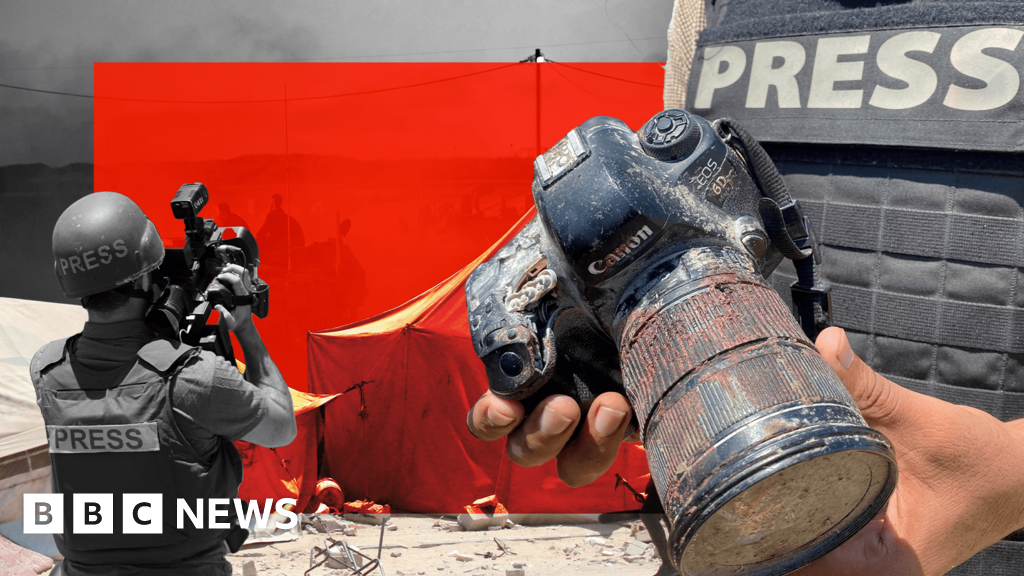
In Gaza, journalists live in tents near hospitals, dealing with severe shortages of food and water. They face constant fear and fatigue as they cover the war, suffering alongside the communities they report on. Many have been killed, but the need for coverage continues, leading to new, inexperienced voices emerging in journalism. The emotional toll of the conflict has resulted in journalists feeling mentally altered, with reports stating that the lack of protection for media personnel in this region leaves them feeling targeted and vulnerable.
Gaza's journalists are experiencing the debilitating effects of working in one of the world’s most dangerous environments. After more than 22 months of conflict, many are forced to live in tents due to widespread destruction and lack of infrastructure. Journalist Abdullah Miqdad reflects on the uncomfortable and unsafe conditions in which they operate: I never imagined that I would be living and working in a tent, deprived of the most basic human necessities - even water and a bathroom. It's more like a greenhouse in the summer and a refrigerator in the winter.Access to electricity is critical for their work, and they often rely on hospitals, whose generators still function, for charging equipment. However, hospitals themselves are not safe havens; recent Israeli strikes have targeted them, further endangering journalists. The Committee to Protect Journalists reports that at least 197 media professionals have lost their lives in this ongoing violence, with the majority being Palestinians. Reports from Ahed Farwana of the Palestinian Journalists Syndicate highlight the overwhelming fear journalists experience, as they constantly worry about safety for themselves and their families.With the demand for news coverage increasing, the war has allowed young, inexperienced individuals to step into reporting roles, often without the needed protective gear or support. Ghada Al-Kurd, a correspondent for Der Spiegel, emphasizes the lack of international protection for journalists, especially Palestinians.Amid severe shortages and a documented famine affecting over 500,000 people, including journalists, the struggle continues both physically and emotionally. We suffer from severe headaches and fatigue, but we still carry on with our work, notes independent journalist Ahmed Jalal, who describes the extreme hunger levels affecting his capacity to report. The psychological impact is profound; many journalists feel they have lost the ability to express their emotions, remaining in a state of shock from constant exposure to violence and loss.This environment of danger and deprivation paints a stark image of the risks taken by journalists in Gaza as they strive to inform a global audience.
