In brief
Pakistan’s federal government declared a state of emergency in the province that has historically supported former Prime Minister Imran Khan, citing links between the PTI provincial administration and terrorism. Schools closed, internet paused, and shipping containers blocked key roads as troops moved in. Critics say the step is a political power play that risks escalating civil unrest, especially in a country with high terrorism levels and tense relations with neighbours. Analysts warn that the emergency could backfire and undermine citizen confidence in the government and the military’s role in governance. The coming days will decide whether the move will quell unrest or deepen divisions.
In a dramatic move, Islamabad has declared a state of emergency in Khyber Pakhtunkhwa, the long‑held province of former Prime Minister Imran Khan’s Pakistan Tehreek‑e‑Insaf (PTI) party, replacing its elected administration with a military‑run rule.
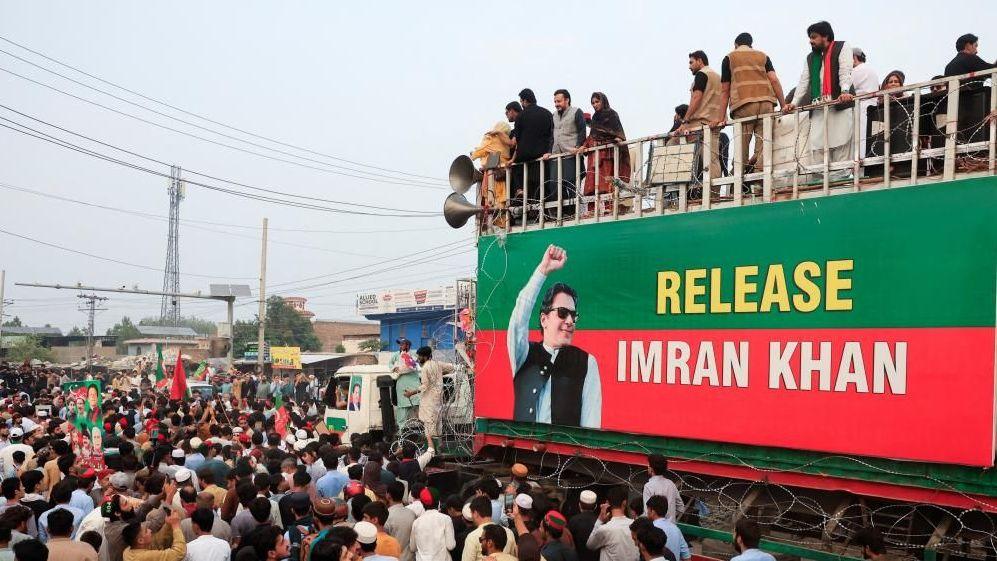
The decision followed weeks of mass protests in the province’s cities, including a sweeping march from the capital Peshawar that drew thousands of Khan supporters demanding his release from prison. Schools were shuttered, broadband service was partially knocked out, and stretchers of shipping containers were parked along main roads to block traffic a few days before the orders went into effect.
Federal Minister for Information Attah Tariq said the emergency was “necessary to protect the population from the threat of terrorism” and accused the PTI provincial administration of “hand‑in‑glove ties with militias.” But he offered no evidence and the ministry itself has yet to publish any formal findings citing the alleged links.
Khan’s brothers, his main supporters and PTI leaders have secreted themselves from the province, while police and federal security forces conduct a crackdown that has seen tear gas used in the district of Bara. The state has suspended the elections that were due this summer and banned protest marches, treating the protestors as a civic security threat.
Political analysts see the emergency as a power play, arguing that it strips the incumbent people‑power of its ability to push back on a military establishment with an intact confidence through its diplomatic and security ties to Washington. “With the PTI weakened by political bans and corruption trials, the government’s next move is to send a hard warning to the opposition,” said Michael Kugelman of the Atlantic Council.
Historian‑turned‑political scientist Farzana Sheikh said the rule was likely the “last straw” after a month of rising protests and a perceived threat to the federal‑state relationship. However, others point out that it raises the risk of larger conflicts, particularly given Pakistan’s ranking as the world’s most affected country by the Global Terrorism Index in 2026 and its tense relations with Afghanistan and India.
The emergency also opens the province to increased military pressure—Peshawar’s own forces have deployed shipping containers to block roads as they prepare for potential operations. “If the army escalates, casualties could happen. That may provoke discontent inside the military itself,” warned Sheikh again, noting the delicate balance in a nation that had experienced multiple military coups over five decades.
The effectiveness of the move remains to be seen. While authorities claim they are acting in a ‘law‑enforcing’ capacity, critics say that the sudden shift from democratic control to emergency rule could backfire by deepening discontent among the constituency that has supported Khan for more than a decade. It may therefore add to the tensions that analysts warn could unravel civil control and widen the fault line between the military and civilian governance in Pakistan.
With the international community watching Pakistan’s response to both internal dissent and regional security challenges, the coming weeks will test the federal government’s willingness to pursue a hard‑line solution versus a negotiated approach to the PTI’s demands and the country’s mounting terrorism problems.