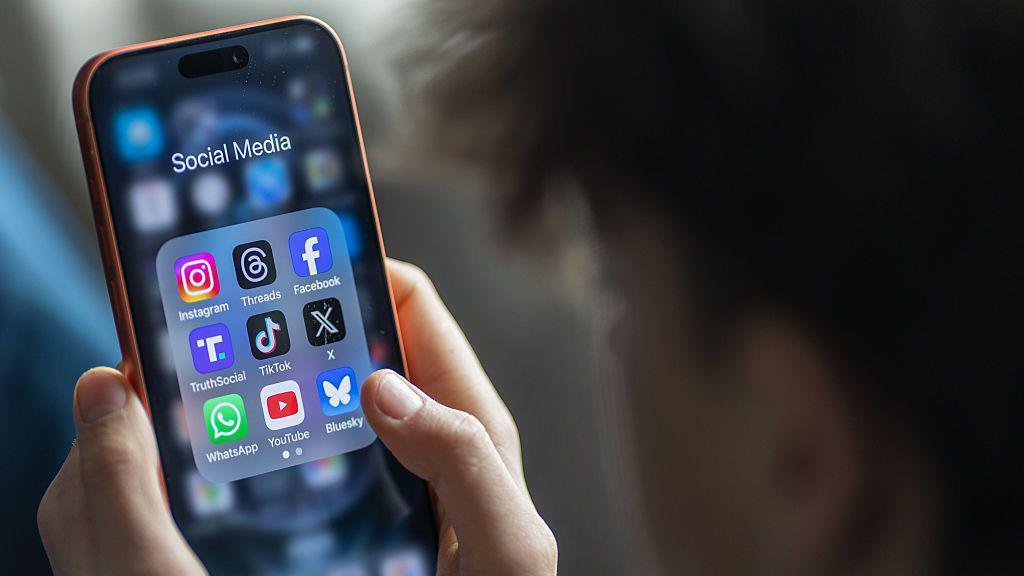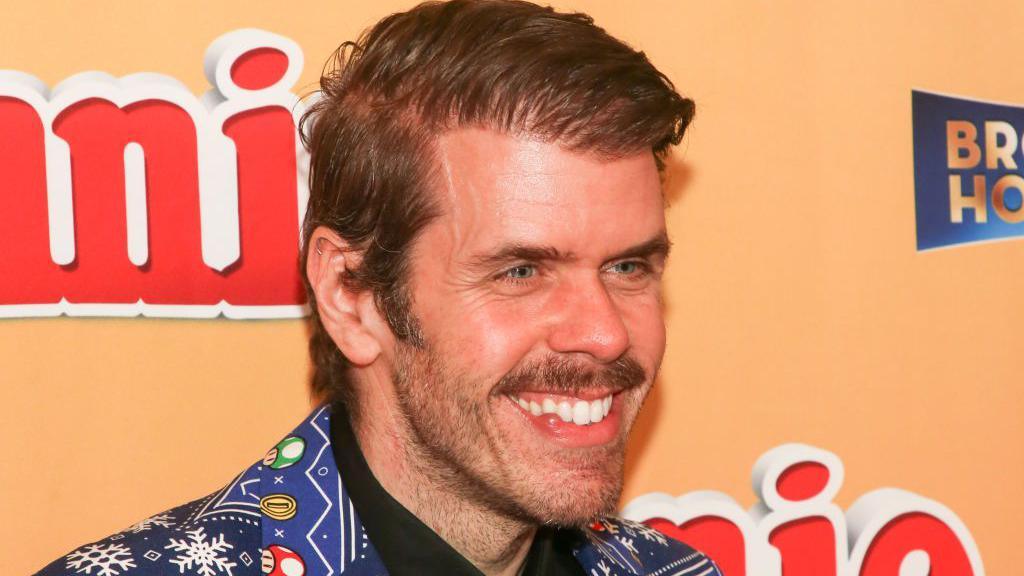
On Tuesday, the Miami sheriff’s office received a call after a TikTok livestream showed a man, later identified as 48‑year‑old Perez Hilton, cutting himself. He was transported to a local hospital where staff confirmed he was in a "serious but stable" condition and would need surgery in the coming days.
Hilton’s official page stated the man suffered “significant blood loss” and that his treatment would be a long process. He was placed under Florida’s Baker Act, a law that allows involuntary hospital treatment for individuals experiencing a mental health crisis.
The incident also spotlighted TikTok’s response: its automated moderation systems flagged the livestream within minutes of being reported, but a human moderator’s error delayed removal by a few seconds. TikTok later removed the account and closed all related streams within 90 seconds.
Critics of the platform argue that delays in content removal can invite contagion and that stricter real‑time monitoring is required. Advocates for mental‑health support point out that any exposure to self‑harm content might trigger viewers, stressing timely intervention.
Historically, the Perez Hilton blog, launched in 2005, once attracted millions of daily hits before attracting controversy for harsh criticism of celebrities such as Miley Cyrus and Lady Gaga. In later years the blogger admitted remorse for its earlier tone.
The case has raised broader questions about how live‑stream platforms balance user privacy, public safety, and the mental‑health resources needed to support both creators and audiences. As the platform’s policies evolve, so too does the conversation about the responsibilities of online communities during crises.