Plane Crash at Beijing’s CITIC Tower Leaves Lingering Questions
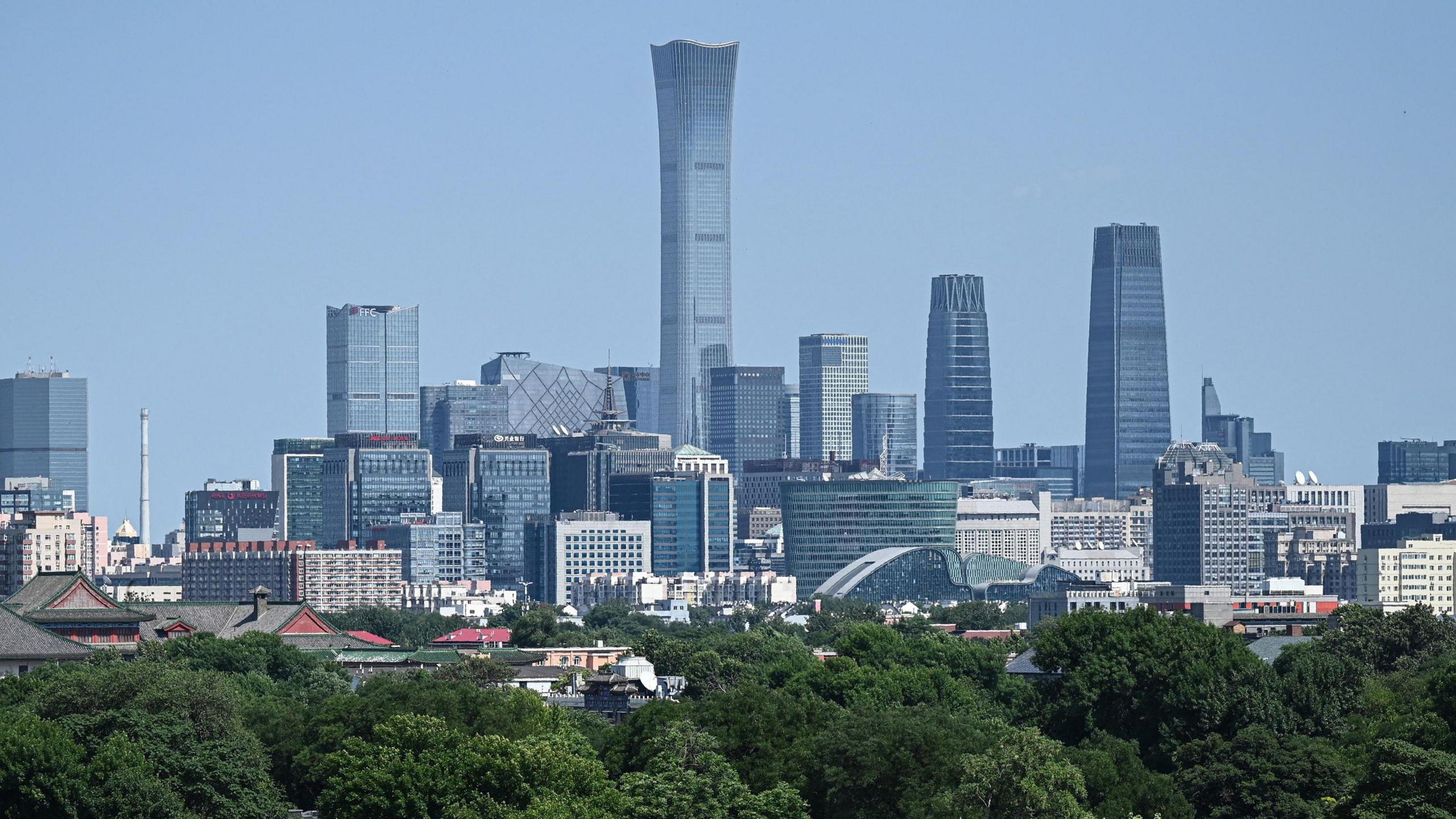
Four days have passed since a small aircraft slammed into the side of Beijing’s tallest skyscraper, CITIC Tower, killing the pilot and wounding 13 others. Despite the severity of the incident, the Chinese government has only released a 60‑word report citing basic facts, leaving many questions unanswered.
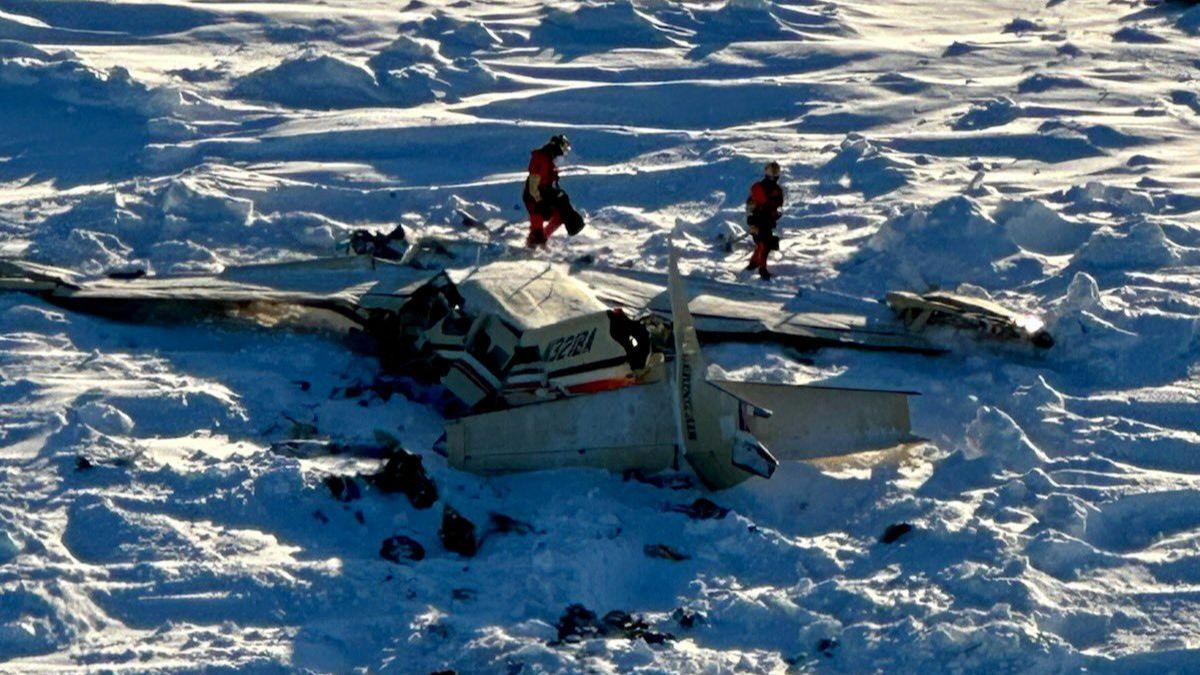
The airliner, a two‑seat single‑engine Aurora SA60L manufactured by Sunward Aircraft, struck the building a few kilometres from Zhongnanhai, the Communist Party’s headquarters. The hole left behind has since been boarded up, and footage capturing the impact has been scrubbed from the internet.
Multiple aviation firms confirmed that authorities have grounded light aircraft operations since the crash. However, they declined to comment on the instructions they received, saying they were told not to discuss the matter.
Beijing enforces a permanent no‑fly zone roughly 39 square miles over its political core, covering Tiananmen Square and Zhongnanhai. The collision, noted by local analysts, raises alarms about the city’s air‑traffic control and security protocols.
Some experts compare the incident to past security breaches, such as the 1987 flight of German pilot Mathias Rust into Moscow’s Red Square and the 9/11 attacks in the United States. These parallels suggest the possibility of intentional action or significant lapses in defense systems.
The Chinese government’s response–including aggressive censorship of photos and memes of the CITIC Tower–has reignited discussions about the scope of state control and the protectiveness of political institutions.
As analysts weigh potential policy revisions and leadership accountability, Beijing remains under heightened scrutiny to prevent similar security breaches in the future.