
In brief
Mahmoud Khalil, a pro-Palestinian activist and permanent US resident, faces deportation to Algeria or Syria due to alleged misrepresentation in his immigration application. Khalil, who was involved in protests at Columbia University during the 2024 Gaza war, claims the deportation is a retaliatory act against his free speech. His legal team intends to appeal the decision, citing ongoing federal court protections against such actions.
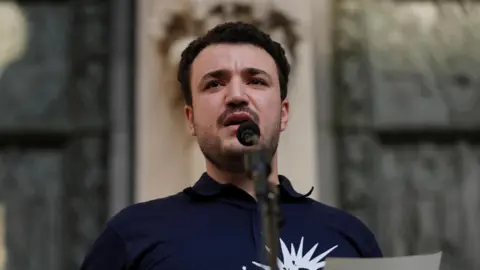
An immigration judge in the US has ordered the deportation of pro-Palestinian activist Mahmoud Khalil to either Algeria or Syria, over claims he omitted information from a green card application.
Judge Jamee Comans, based in Louisiana, stated that Mr. Khalil wilfully misrepresented material fact(s) for the sole purpose of circumventing the immigration process.
In a statement to the American Civil Liberties Union, Mr. Khalil expressed that it was unsurprising the Trump administration retaliated against him for exercising his free speech.
A permanent US resident of Palestinian descent, Mr. Khalil emerged as a prominent figure during the 2024 Gaza war protests at Columbia University.
Lawyers for Mr. Khalil, 30, announced plans to appeal the judge's decision, noting existing federal court orders prohibiting his deportation.
In March, ICE detained Mr. Khalil as part of the Trump administration's aggressive stance towards universities accused of not adequately addressing antisemitism.
Born in Syria and a citizen of Algeria, he spent three months in an immigration facility before a federal judge ruled he was neither a flight risk nor a community threat, leading to his release in June.
Details regarding Mr. Khalil's previous affiliations, including his connections with the UN agency for Palestine refugees and alleged ties to the British Embassy in Beirut, were highlighted by the US government.
Moreover, Mr. Khalil, facing increasing scrutiny, has filed a $20 million lawsuit against the Trump administration for alleged false imprisonment and defamation.
His activism during the protests included mediating discussions between university administration and students advocating for Palestinian rights.
Pro-Israel activists accused him of leading the Columbia University Apartheid Divest group, a claim he has denied, asserting his role was merely as a spokesperson for the protests.
