In brief
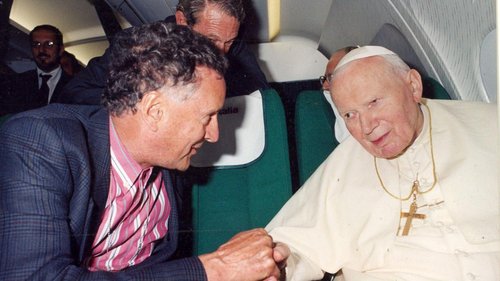
Pope Francis, who passed away at the age of 88, left behind a papacy filled with hope for reform across the Catholic Church, but also disappointment for those who anticipated more radical changes.
In Vatican City on April 23, 2025, mourners gathered to honor Pope Francis, a leader whose tenure was one of both optimism and restraint. During a pivotal 2019 gathering of Roman Catholic bishops at the Vatican, discussions surrounding the ordination of married men in South America ignited hopes that Francis might bring significant reforms to the celibate priesthood. Despite these discussions and the bishops' recommendations, Francis ultimately decided against such a change, leaving many supporters feeling disillusioned.Observers across the spectrum of Catholic belief projected their hopes onto Francis, yearning for a transformative leader. Progressive Catholics, many of whom hoped for the ordination of women, shifts in Church teachings on contraception, and endorsement of same-sex unions, found themselves waiting for changes that did not materialize. Conversely, conservative factions, some characterizing him as a potential disruptor of longstanding Church doctrine, worried about the effects of his more progressive leanings. However, Francis never upended core doctrines or made sweeping changes that could alienate traditionalists.Ultimately, Pope Francis' legacy is one of cautious leadership and a commitment to dialogue over decisive upheaval within the Church, navigating a complex landscape of faith that stretches across diverse beliefs and aspirations.