In brief
Russian authorities intensified repression against critics of the war in Ukraine by imprisoning well‑known blogger Ilya Remeslo and blocking anti‑war politician Boris Nadezhdin from running for the State Duma. Remeslo, who had been a supporter of President Putin until March, is held on charges of disseminating false information about the military, while Nadezhdin is convicted of displaying extremist symbols and fined 1,000 roubles, a penalty that bars him from collecting signatures. Both cases illustrate the shrinking space for opposition voices in Russia, where a national election is due in September. Legal loopholes that previously allowed Nadezhdin to gather signatures were closed after his conviction, effectively silencing a key anti‑war campaigner. The broader context includes a fading popular‑support base for Putin, growing fuel shortages, and increased scrutiny of Russia’s conduct of the war in Ukraine.
The Moscow‑based authorities have stepped up pressure on critics of the invasion of Ukraine by detaining outspoken blogger Ilya Remeslo and preventing anti‑war political activist Boris Nadezhdin from running for the State Duma.
Remeslo, who once backed President Vladimir Putin until a forced‑ministerial shift in March, publicly denounced his “war criminal” status and called for his resignation. He is now held in custody on suspicion of spreading false information about the military, with a two‑month pre‑trial suspension.
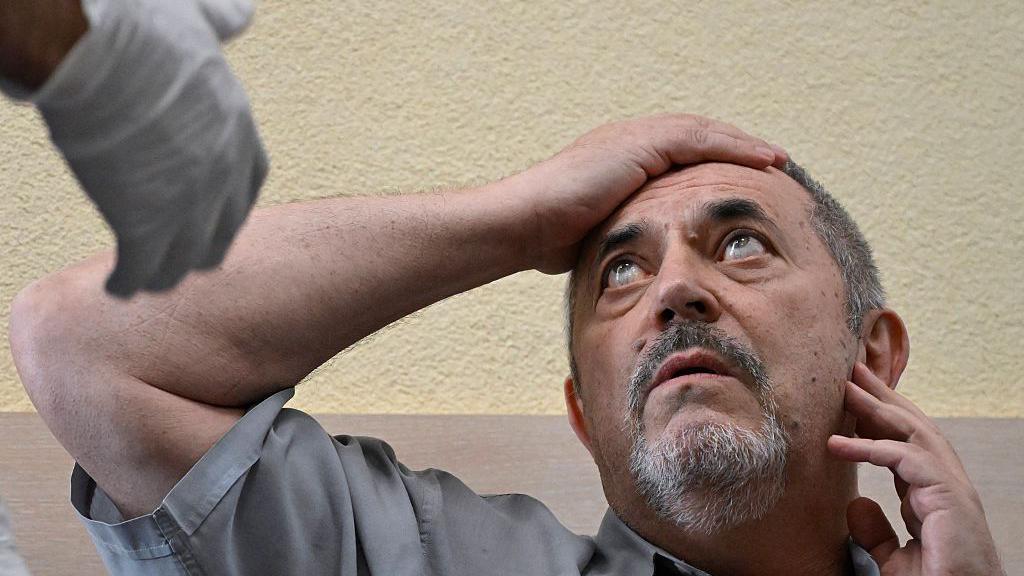
Nadezhdin, a 63‑year‑old former member of parliament who sought to run on an anti‑war platform, was convicted of displaying extremist symbols, a penalty that bars him from collecting signatures for the September election. He is fined 1,000 roubles (£9.50) and kept in prison as the court blocks his movement.
The convictions highlight the shrinking outlet for organized opposition in Russia: many high‑profile critics now live in exile or face forced detention. The country’s leading opposition figure, Alexei Navalny, died of natural causes in a penal colony in February 2024, with several European states suspecting foul play.
Both Remeslo and Nadezhdin have claimed that the state’s legal procedures are a pre‑text to silence dissent and prevent them from participating in Parliamentary elections. Nadezhdin emphasized that his accounts had been frozen, rendering payment of the fine impossible.
The crackdown comes amid a blend of domestic political pressure, rising fuel shortages caused by Ukrainian strikes on energy infrastructure, and a dip in President Putin’s popularity according to two recent polls—ranging from 66% to 65.1%. Remeslo warned that the situation could quickly worsen, potentially prompting a shift in Russian political fortunes.