In brief
Georgia's Republican Governor Brian Kemp announced a 15-month extension of the state's Medicaid program, Pathways to Coverage, aimed at providing health insurance to low-income individuals who can document work or other qualifying activities. The decision follows a contentious battle with the Biden administration, which sought to dismantle the initiative. The program has faced significant scrutiny over low enrollment and high administrative costs. Critics argue that it makes access to healthcare harder for those in need, while supporters claim it advocates for personal responsibility and temporary assistance requests.
ATLANTA (AP) — Georgia’s program that provides health insurance to some low-income adults who document work and other activities has been extended for 15 months by the Trump administration.
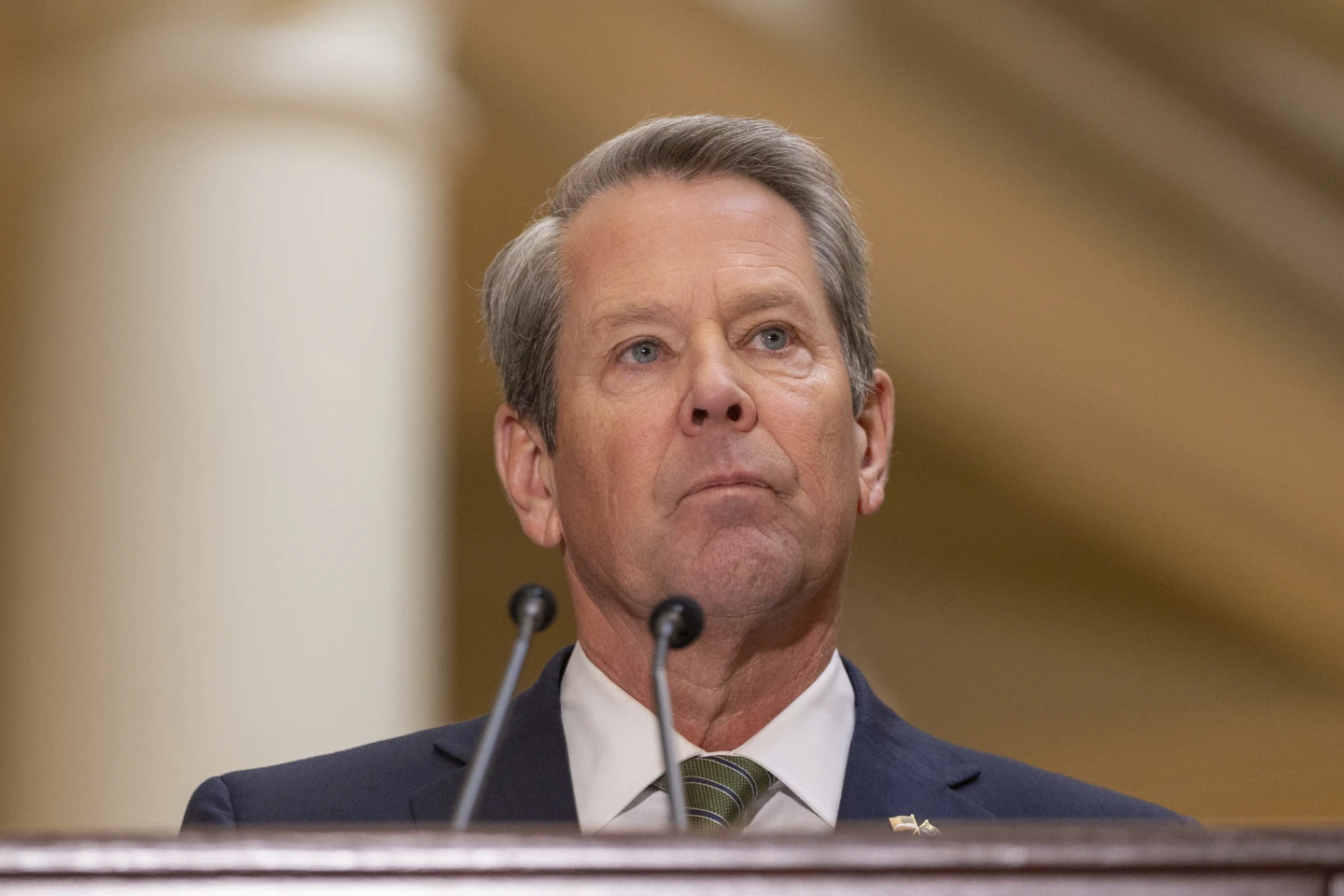
Republican Governor Brian Kemp announced on Thursday that the federal government approved the continuation of the Pathways to Coverage program, which is part of the state-federal Medicaid initiative, through December 2026. Initially set to expire next week, the extension is seen as a necessary move, given the program's delayed start following a legal battle with the Biden administration.
The Georgia program closely mirrors similar work requirement mandates introduced across the country during the Trump administration as part of a broader tax and budget overhaul. Starting in 2027, adults seeking Medicaid coverage will be required to demonstrate at least 80 hours of monthly work, educational pursuits, or community service.
Enrollment in the Pathways to Coverage program has been significantly lower than anticipated, with only 9,175 participants as of August, against an initial projection of up to 25,000 in the first year. Costs have also been a concern, with twice as much funding allocated to administrative expenses rather than healthcare services.
Critics, including some Democratic lawmakers, have raised alarms that such programs could ultimately lead to millions losing coverage, citing the complicated bureaucratic processes involved in tracking compliance with work requirements.
While supporters of the program advocate for work as a condition of receiving aid, detractors argue that it can disproportionately impact low-income families who face barriers to maintaining consistent employment or providing documentation required for enrollment.
Despite the criticisms, under the new extension, Georgia plans to offer coverage to parents and guardians of young children without imposing additional work requirements. Beneficiaries will also only need to report qualifying work hours once annually, a change aimed at reducing barriers to participation.
Governor Kemp claimed that the program ultimately aims to be a positive step forward, stating, “Unlike the previous administration, which chose to sue, obstruct, and delay, President Trump’s team has collaborated with us to enhance Georgia’s Pathways and better serve those in need.”
The financial landscape of the program reflects a heavy reliance on federal funding, with nearly 90% of the spending sourced from federal allocations. As discussions surrounding healthcare accessibility continue, the future of the Pathways initiative highlights the ongoing tensions in state versus federal healthcare policies.