In brief
A handful of startups have begun testing pilot‑free aircraft for agriculture and cargo, most notably Pyka’s electric crop‑sprayers and Windracers’ high‑lift drones. The technology promises greater efficiency and lower costs, but industry voices warn about regulatory hurdles and pilot safety. While the military’s use of autonomous aircraft accelerates progress, civilian approval has been slow, with stringent safety standards still limiting widespread deployment. Some experts foresee turbulence in the future of civil aviation if these self‑flying planes can achieve the same level of safety as human pilots.
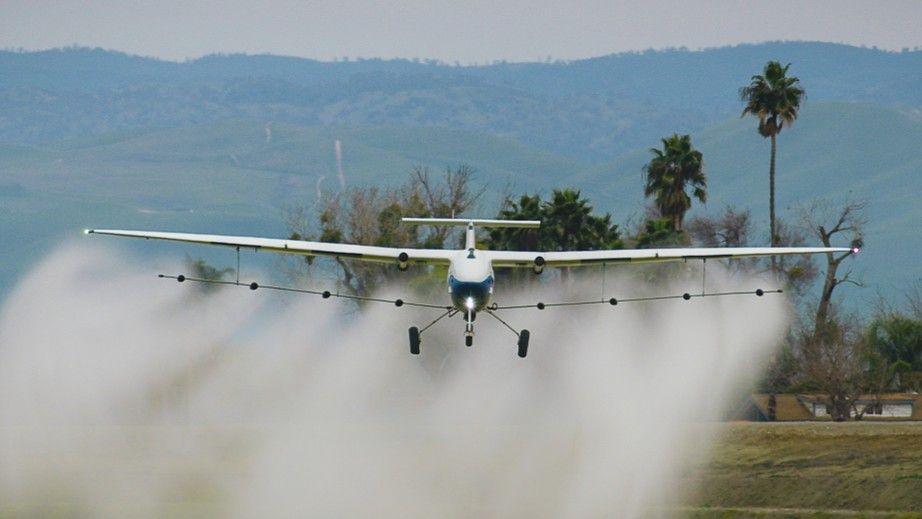
In the flat fields of California’s San Joaquin Valley a small electric plane sweeps over the crops, hovering just centimeters above the ground. With a 300‑litre tank of pesticide and a battery in its nose, the aircraft can perform a 35‑minute spraying flight before returning to a nearby runway to land and be refilled.
The aircraft belongs to Pyka, a San Francisco‑based start‑up that has early‑adopter pilots in Brazil and the United States. The company’s co‑founder, Michael Norcia, envisions a future where a fleet of minibus‑sized planes ferry passengers along coast‑to‑coast routes, possibly beating the electric vertical‑take‑off and landing (eVTOL) sector in scale.
Autonomous flight is distinct from autopilot. While the latter assists human pilots, autonomous systems control take‑off, navigation, and landing with minimal human input, relying on sophisticated sensors and algorithms. In comparison to cars, aircraft face higher stakes and stricter safety requirements, which has slowed progress.
Military interest has helped push the technology forward. Some companies have defense contracts, allowing easier pilots‑by‑wire trials, and the U.S. and Brazilian regulators have already granted limited authorizations for Pyka’s crop‑sprayer under controlled conditions.
Other firms, such as UK‑based Windracers, aim to build autonomous cargo services for remote islands, while Reliable Robotics (backed by Boeing) retrofits the Cessna 208B Grand Caravan to fly without an onboard pilot. Merlin Labs is developing a programmable “brain” that could work on a variety of aircraft, from military transport to commercial cargo.
Critical challenges include detect‑and‑avoid systems and communication with air traffic control. Pyka relies on lidar for obstacle detection but plans to add AI cameras to distinguish objects in the air. Reliable uses forward‑looking radar to spot other aircraft and follows fixed response rules, while Merlin explores generative AI to interpret ATC radio instructions.
Industry groups remain divided. The U.S. Air Line Pilots Association warns that removing human pilots risks safety, and the National Agricultural Aviation Association notes that pilot‑free planes may be harder for grown‑ups to see, potentially reducing spraying efficiency. Conversely, supporters argue that autonomous aircraft could eliminate pilot shortages, reduce costs, and possibly improve overall safety by adding redundant systems.
Even as all‑passenger autonomous flight remains a distant prospect, the pace of technological development suggests a future where commercial aviation increasingly leverages automation to enhance safety and operational efficiency. Should regulatory approval and public acceptance align, the skies may soon host a fleet of silent, self‑flying aircraft carrying cargo, and perhaps passengers, across the globe.