
In brief
South Korea has shortened its 2026 Ulchi Freedom Shield joint drill with the United States by six days, completing on 21 August instead of 27 August after a Washington request. The decision, which also scales back the field‑training component, was made without advance notice to Korean officials. The move has raised doubts among regional allies such as Japan and Taiwan about America’s readiness to support its defense commitments under the alliance treaty. President Trump linked the change to Seoul’s stance on U.S. policy toward Iran and hinted at a meeting with North Korean leader Kim Jong Un. North Korea’s senior spokesperson dismissed the reduction as a normal adjustment and confirmed that U.S. policy toward the North remains hostile.
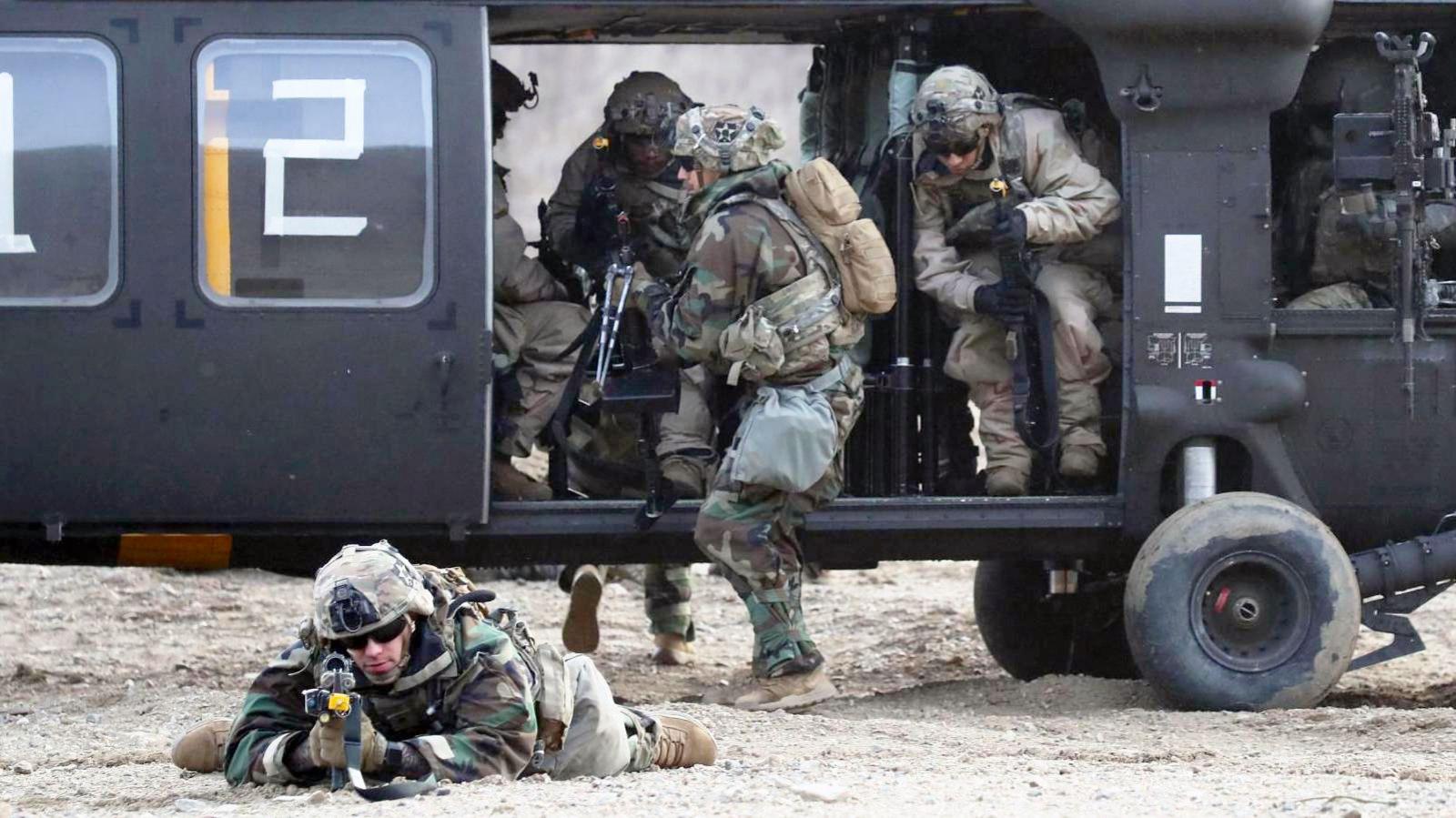
South Korea announced that it will end the Ulchi Freedom Shield exercise on 21 August instead of 27 August, a change that came after a request from Washington.
The 2026 drills, planned to involve about 18,000 South Korean troops and 28,500 U.S. soldiers, will now conclude six days earlier, reducing the scale and duration of the field training component.
Officials said the headway had not been anticipated, with the South Korean foreign minister noting that neither Seoul nor U.S. officials were aware of the decision.
The move has prompted concerns among U.S. allies in the region, especially Japan and Taiwan, as it could signal a shift in America’s readiness to uphold its defense commitments.
President Donald Trump, who also called for engagement with North Korea, linked the alteration to Korea’s stance on U.S. policy toward Iran, saying he would meet Kim Jong Un at a forthcoming event.
North Korea’s sister Kim Yo‑Jong dismissed the reduction as unrelated to the fundamental nature of the drills, affirming that U.S. policy toward the North remains hostile.
Analysts view the cut as part of broader diplomatic manoeuvring, with Washington seeking to reallocate resources amid other global challenges.
