In brief
Spanish Prime Minister Pedro Sánchez has denied that his government was warned or involved in the sudden surge of 72,000 migrants into Ceuta, Spain’s North‑African enclave. He rebuts claims that Morocco orchestrated or facilitated the crossings, citing a police report that does not implicate the Moroccan state. Opposition parties and tens of thousands of Spaniards protested across the country, reflecting domestic pressure on Sánchez. The incident has strained Spain‑Morocco relations and has prompted European partners, notably Italy, to impose border restrictions. Sánchez says Spain will cooperate with Moroccan authorities, while a planned royal visit to Ceuta and Melilla may signal continued commitments to the enclaves.
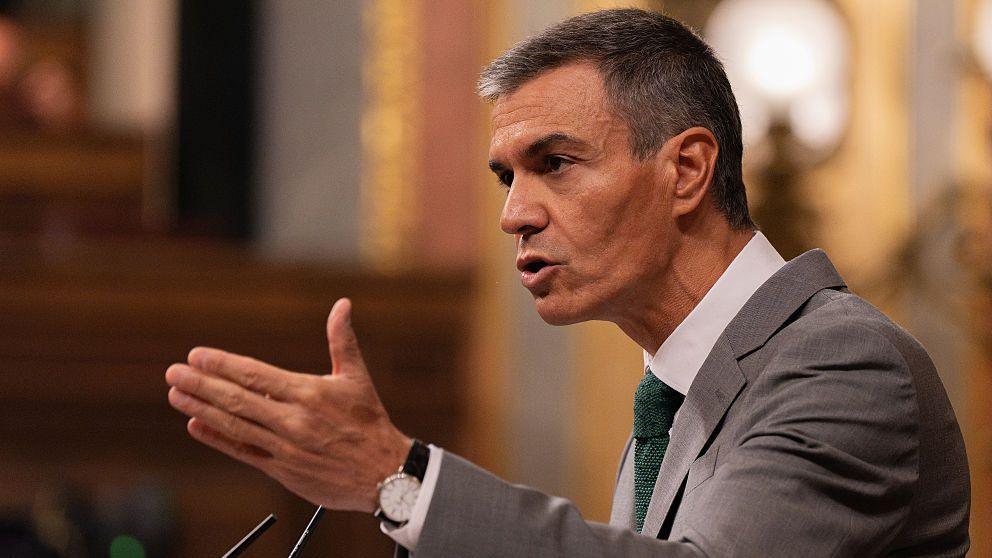
Spanish Prime Minister Pedro Sánchez insisted that no one had warned about the sudden arrival of 72,000 migrants in the North‑African enclave of Ceuta, arguing the crisis was unforeseeable.
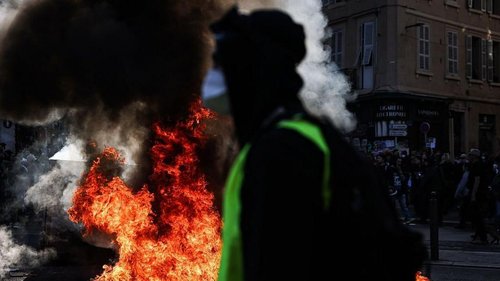
The statement came amid massive street demonstrations – thousands of Spaniards turned out in Madrid and other cities to protest the government's perceived mishandling of the crisis, while also expressing solidarity with the residents of Ceuta.
Sánchez also denied evidence that Morocco had orchestrated the crossings, although a recent Spanish police report highlighted Moroccan security forces’ “total permissiveness” but did not formally accuse Rabat of involvement. The report was commissioned by a High Court judge and cited migrants who claimed Moroccan gendarmes had guided them.
While most of the migrants have been returned to Morocco – over 90% within 72 hours – roughly 5,000 remain in Ceuta, including about 1,400 children. The influx has highlighted both humanitarian and logistical challenges for the city, which is Spain’s only land border in North Africa.
The crisis has drawn scrutiny from Spain’s European partners; Italy has already imposed border restrictions on arrivals from Spain in response to the situation in Ceuta. Critics on both sides of parliament have accused Sánchez of a cover‑up, with opposition leader Alberto Núñez Feijóo demanding the prime minister’s resignation.
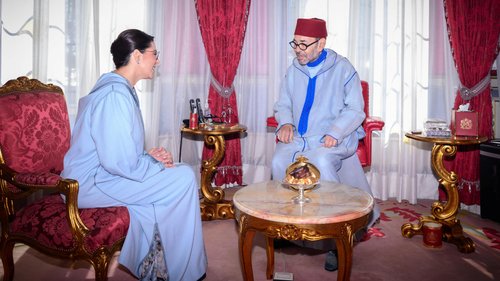
Sánchez emphasized Spain’s diplomatic stance, noting that while he respected Morocco’s sovereignty, he would refrain from further criticism until concrete evidence emerged. He indicated that King Felipe VI might visit Ceuta and Melilla in the coming weeks to underline Spain’s commitment to these enclaves, though no specific date has been set.
Throughout his remarks, Sánchez portrayed the crisis as an unforeseen episode fueled by misinformation and social‑media rumors, and he reiterated Spain’s intent to defend human life over strict border enforcement.