Spokane Wildfires: Drone Captures Devastating Aftermath
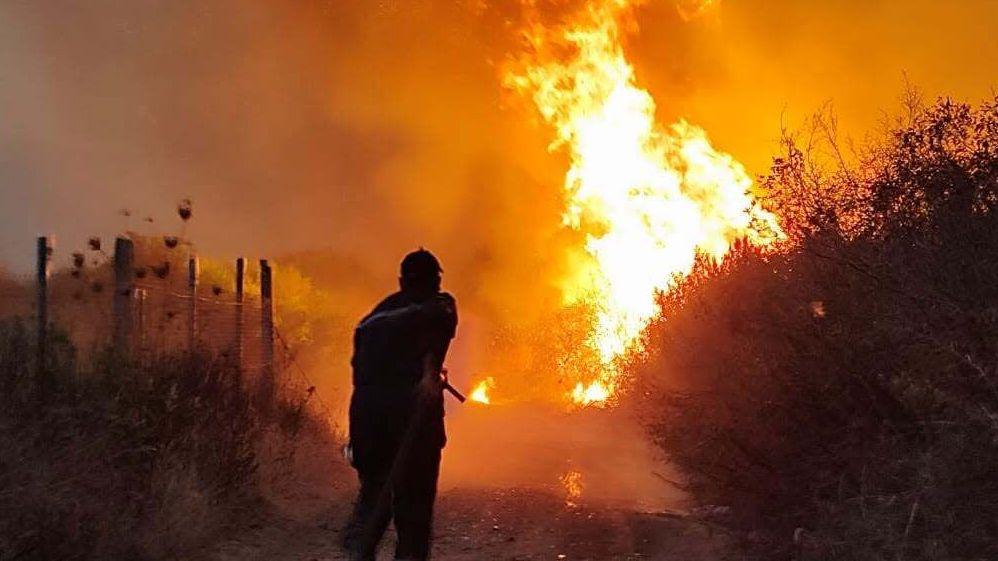
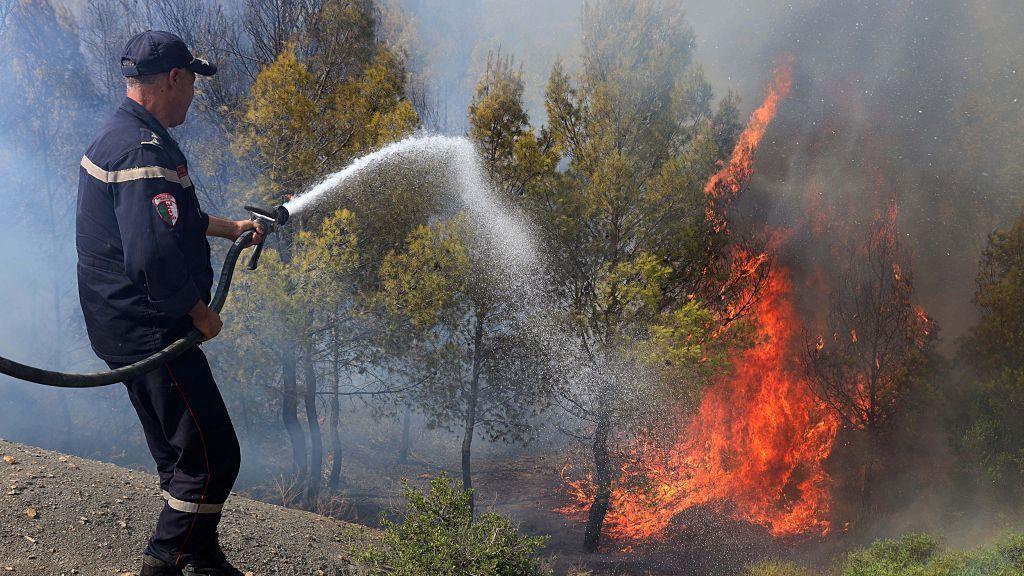
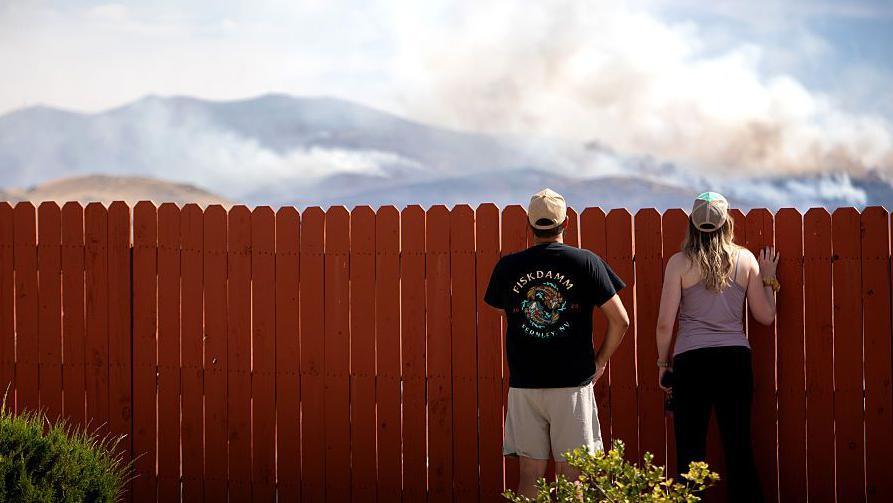
Drone footage now gives the world an unprecedented look at how the recent Spokane wildfires transformed the landscape in just a matter of hours. The video shows a landscape where trees, homes, and vegetation have been consumed, and it captures the traces left by firefighters on the ground as they work to contain the blaze.
The fires, which ignited in early August, burned roughly 10,000 acres and resulted in the destruction of more than 900 houses in the city and surrounding communities. According to local authorities, around 64,000 residents were evacuated during the height of the flames, with county shelters and emergency operations centers opened in an effort to keep people safe.
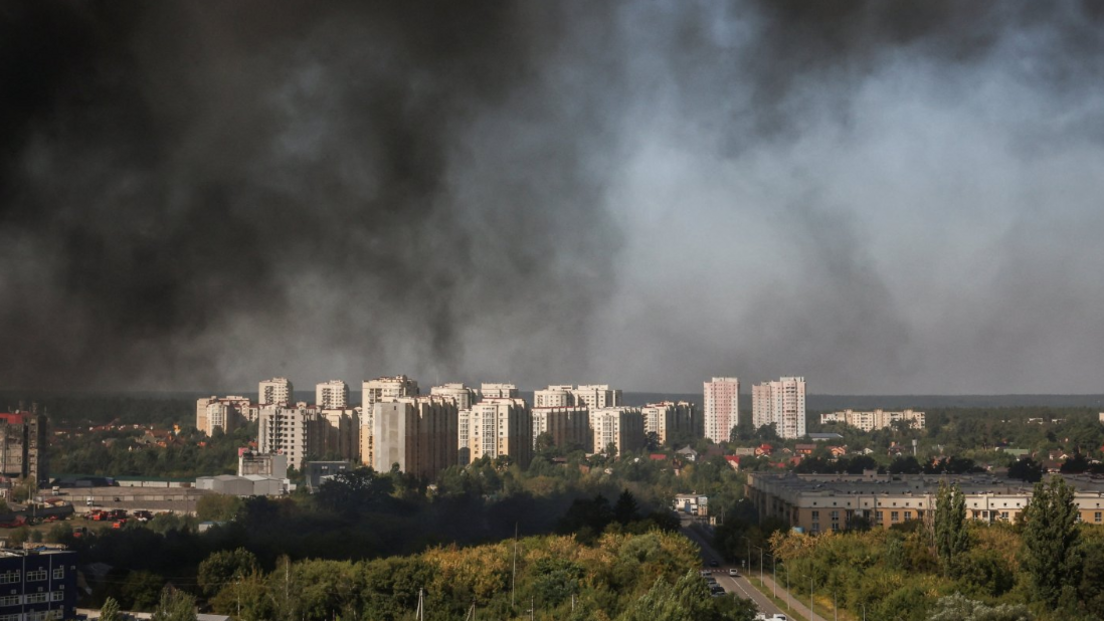
The rapid spread of the fires was largely attributed to the strong winds that carried embers far ahead of the front line, a phenomenon noted by fire officials as a major risk factor in the Pacific Northwest’s current wildfire season. Despite the scale, firefighters reported no serious injuries or fatalities reported in Spokane itself, a relief that may shape public perception of the event.
From an environmental standpoint, the fire’s impact will be long‑term. The loss of vegetation and sudden changes in soil composition can affect local ecosystems, water quality, and carbon cycles. Scientists are already studying the fire’s effects on the region’s flora and fauna, with attention drawn to how drought conditions exacerbate the frequency and intensity of such events.
Looking ahead, government officials discuss the need for updated infrastructure, better land‑use planning, and community resilience strategies. The policy discussion at the federal level focuses on integrating more robust airborne monitoring—like drones and satellite imagery—into routine wildfire detection and management, to give responders more time to mobilize resources before fires become uncontrollable.
For residents, the aftermath brings a range of challenges: rebuilding homes, restoring utilities, and dealing with economic fallout. Local charities and volunteer groups have already mobilized to provide temporary shelter, food, and psychological support to those who lost their homes.
The Spokane wildfires serve as a poignant reminder of how climate stressors are morphed into large‑scale disasters. As communities across the United States confront similar threats, coordinated response strategies—leveraging technology, prepared policy, and community cooperation—will be key in managing future crises.