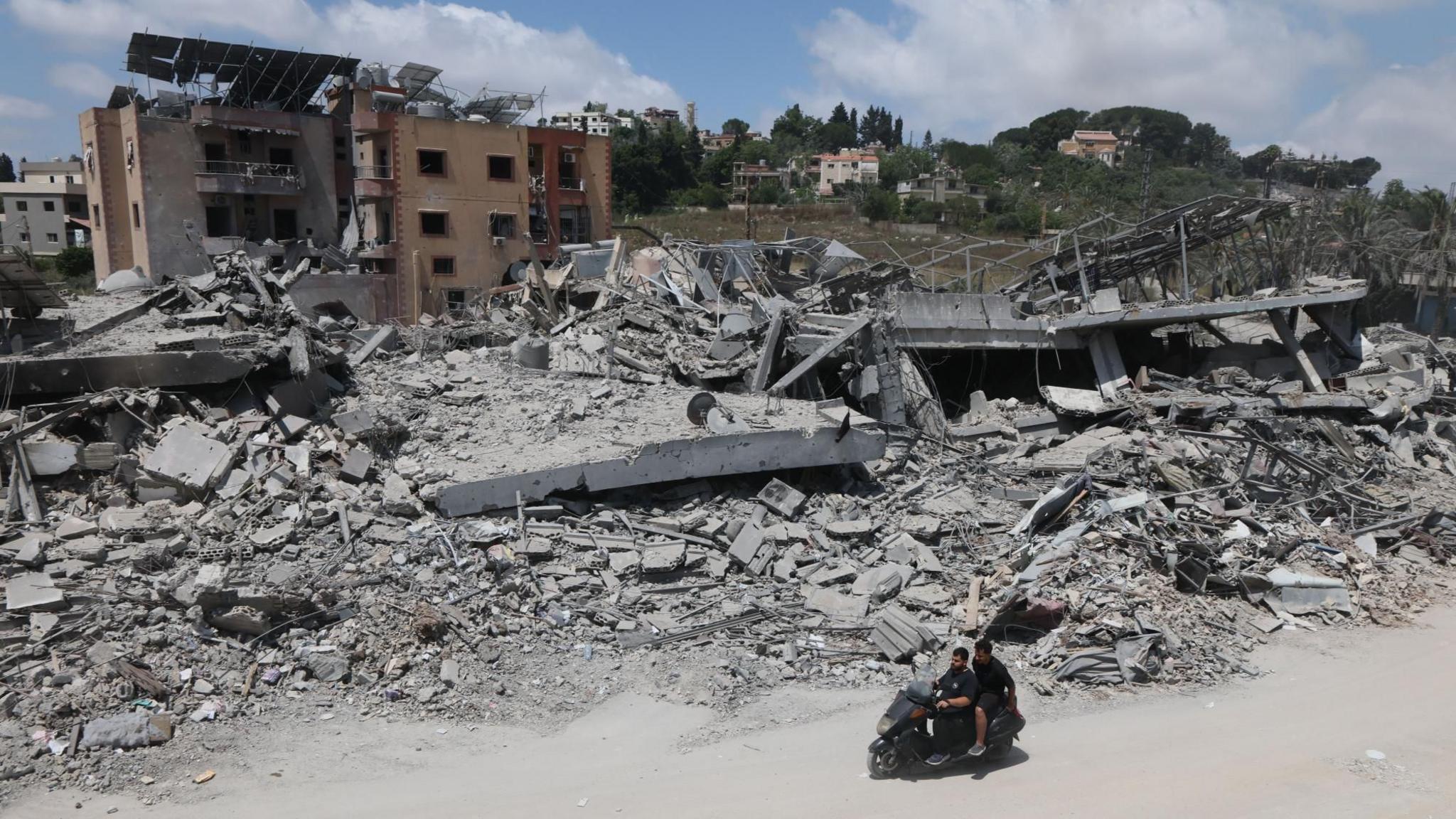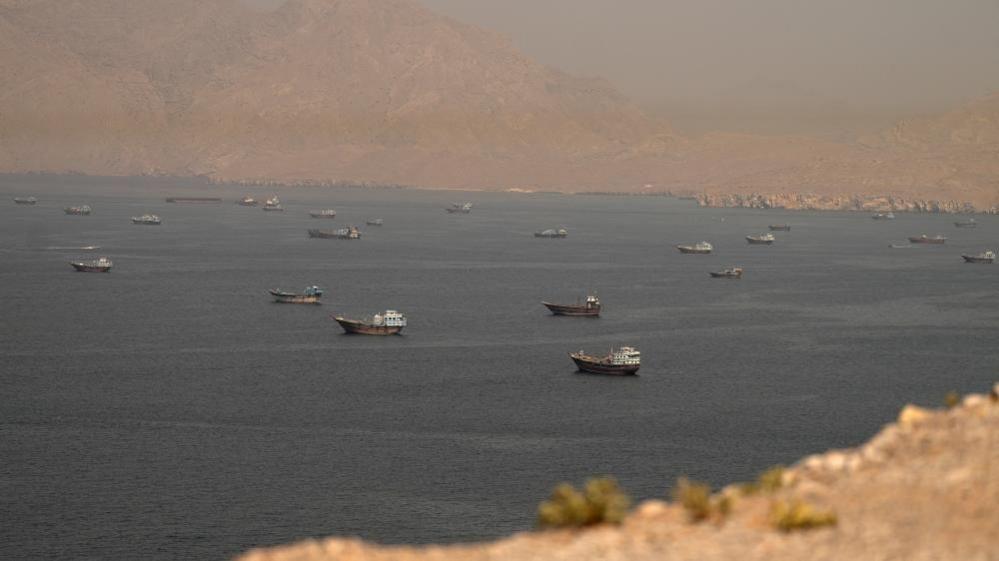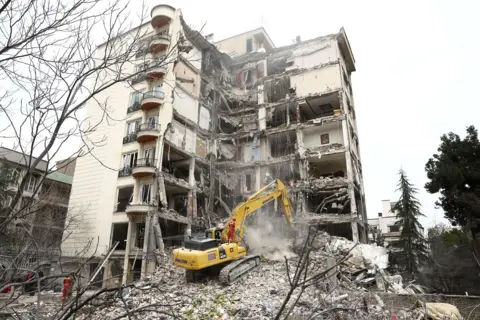
The US-Israeli attacks against Iran and the threats against its energy infrastructure, along with Tehran's retaliations on its Gulf neighbors, illustrate how traditional norms surrounding the commencement and escalation of international conflicts have been challenged. These actions have raised significant concerns regarding the implications for the global rules-based order.
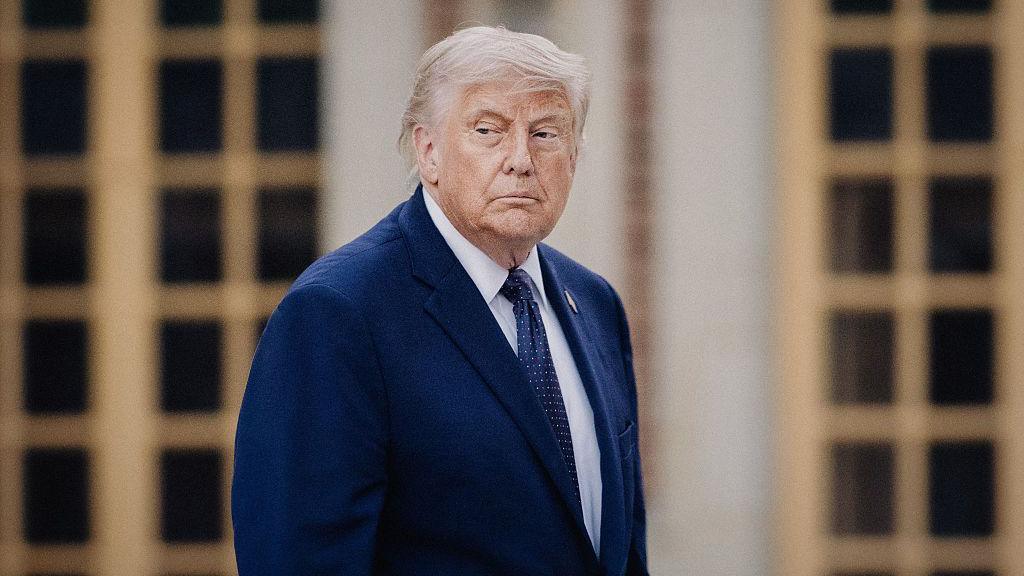
President Donald Trump has made strong threats concerning Iran's energy facilities, indicating a worrisome precedent of targeting civilian infrastructures. For example, Trump recently threatened to 'massively blow up' Iran's South Pars gas field in response to Iran's activities in Qatar. Such aggressive military rhetoric signals a potential shift in the nature of warfare.
The situation is compounded by legal experts like Luis Moreno Ocampo, former chief prosecutor of the International Criminal Court (ICC), who characterize these actions as a 'crime of aggression' under international law. This perspective emphasizes a violation both of the rights of civilians and the principles that should regulate relationships between nations.
Ocampo's analysis points to a dangerous precedent; as he calls into question the legitimacy of targets such as Iranian power plants, likening the situation to Russia's military actions in Ukraine, which faced global condemnation. He highlights a potential descent into a world where actions are not governed by law but rather by the whims of leaders.
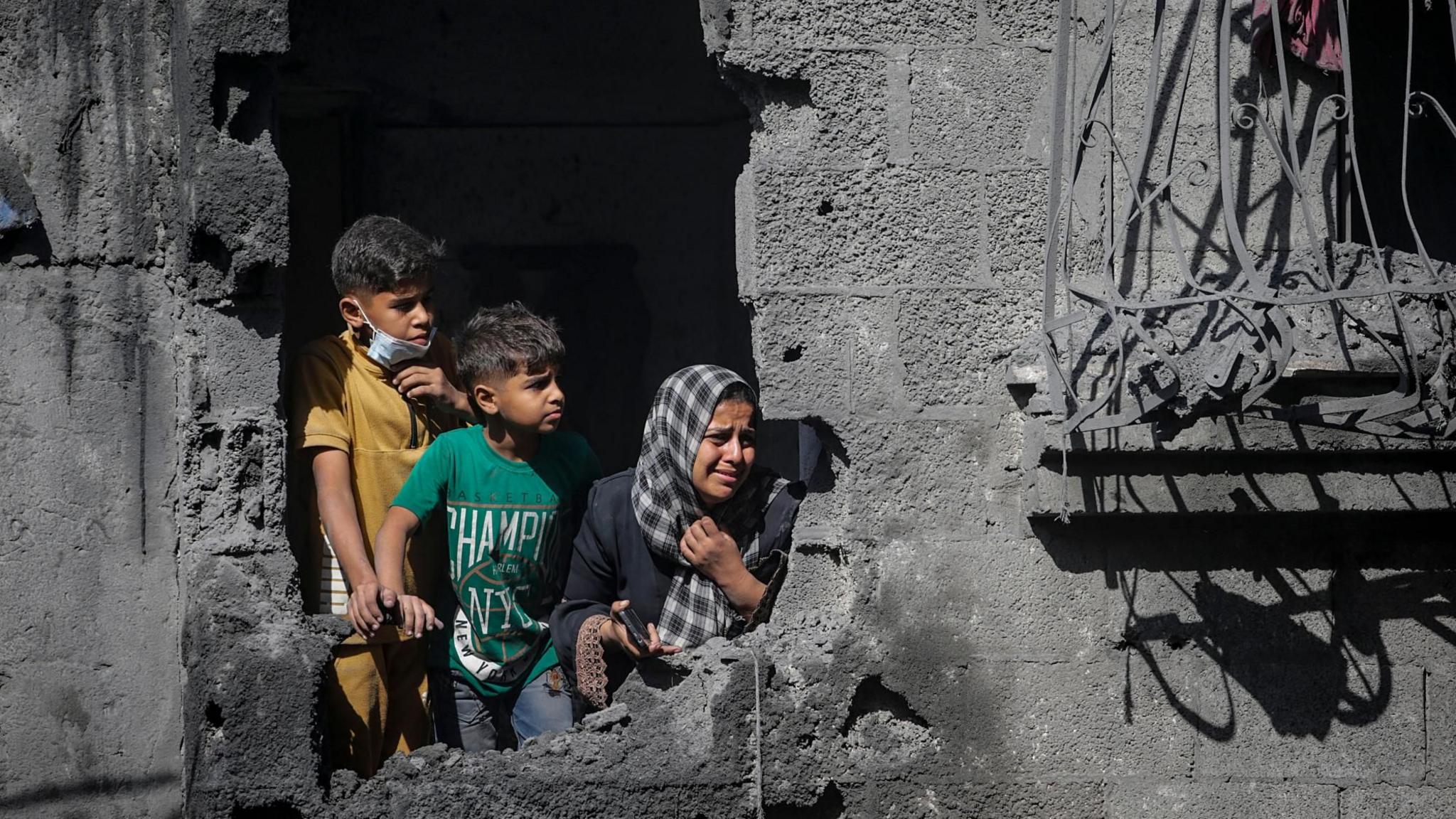
While the United States and Israel face accusations of violating international norms, the Iranian government's retaliatory attacks raise similar concerns. The ongoing military engagement risks escalating an already volatile situation, further compromising civilian life and creating a humanitarian crisis.
The nature of the war presents a broader question about the resilience and effectiveness of the current international legal framework designed to protect civilians and maintain order. As conflicts become increasingly characterized by overt aggression, the consequences could reshape global diplomacy and security frameworks for generations.
As calls for restraint grow louder and experts analyze the ramifications of this conflict, the reality remains stark: the norms of international warfare are undergoing significant transformation, and the international community is faced with the urgent need to address and adapt to these changes.