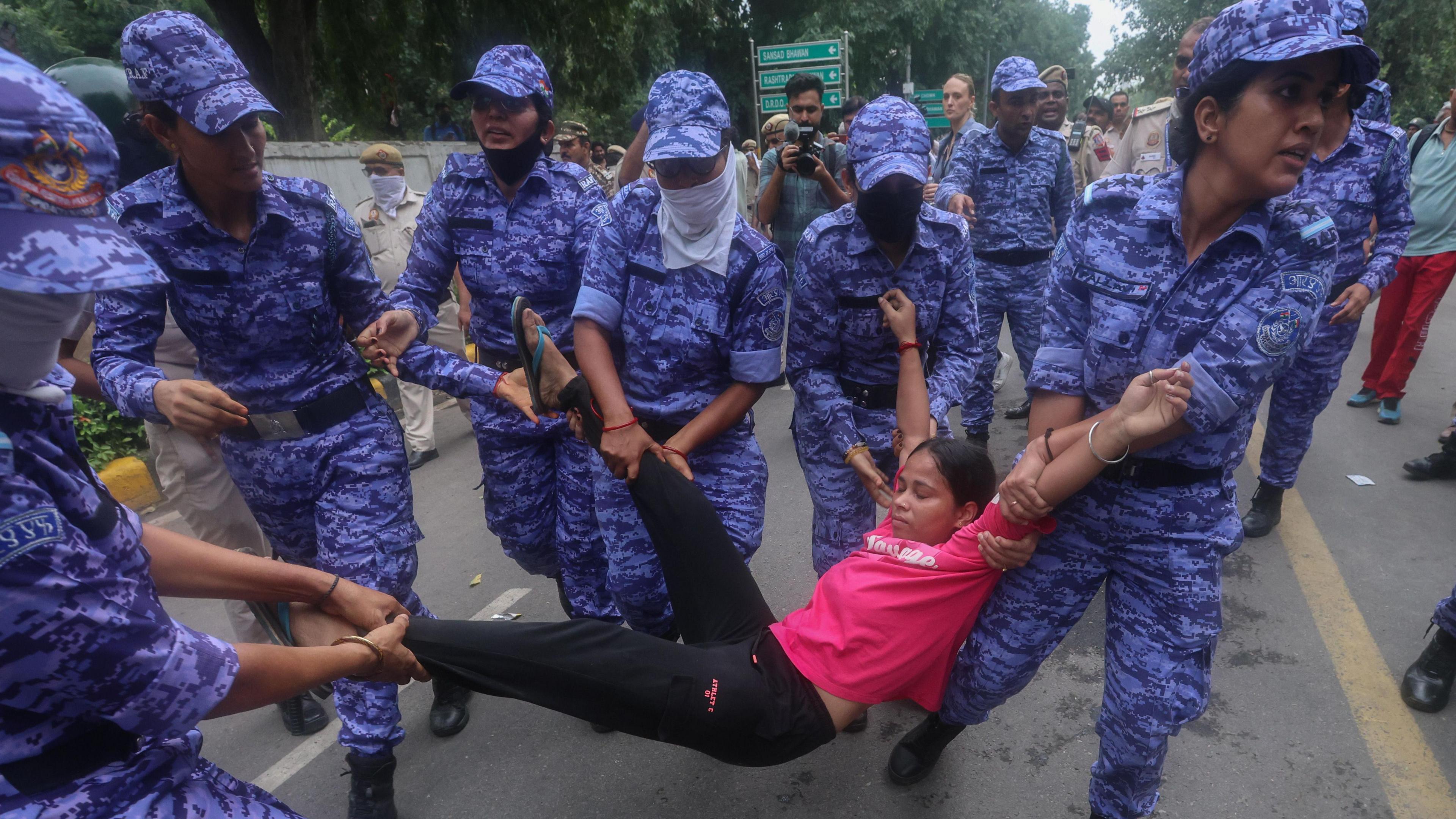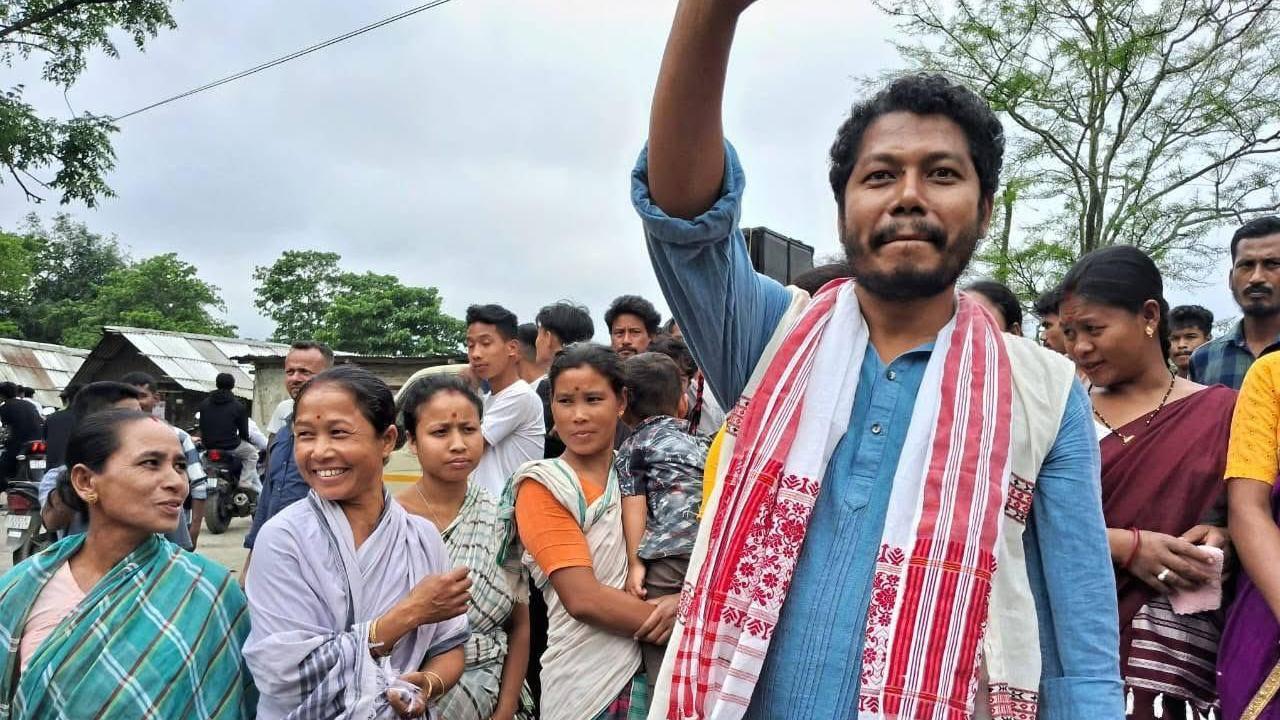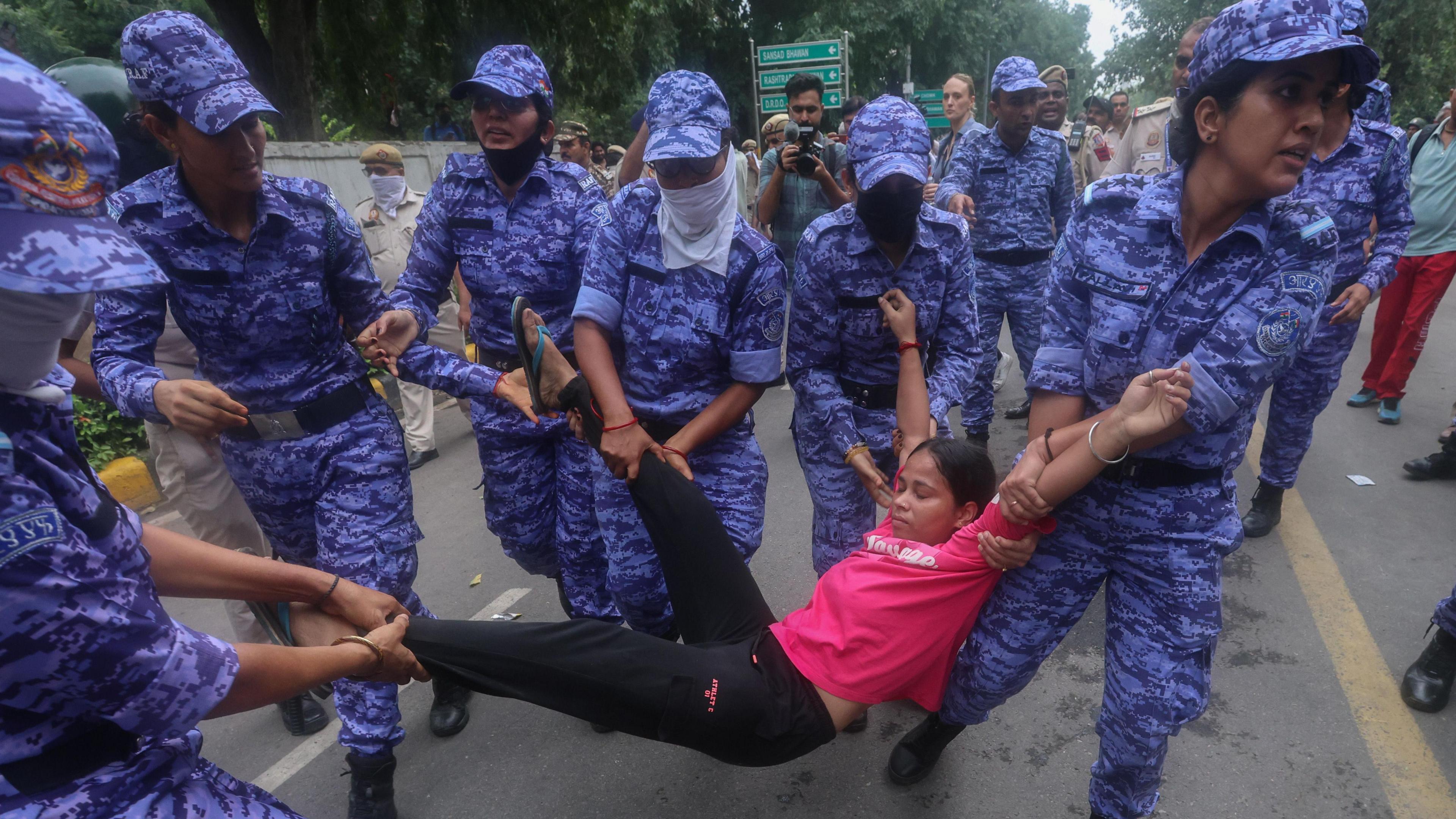
On Thursday, a thousands‑strong crowd turned up at Delhi’s Jantar Mantar after a police crackdown on supporters of the Cockroach Janta Party (CJP). The youth‑led movement, demanding a new education system and the resignation of Education Minister Dharmendra Pradhan, had been banned from the site a day earlier.
Warning: This report contains graphic descriptions and images that may be disturbing.
Police confronted protestors who attempted to march toward Parliament. Batons and tear gas were deployed, leaving at least 60 demonstrators wounded and 118 officers injured. Stage furnishings and tents were torn down during what witnesses described as a “barrage” of force.
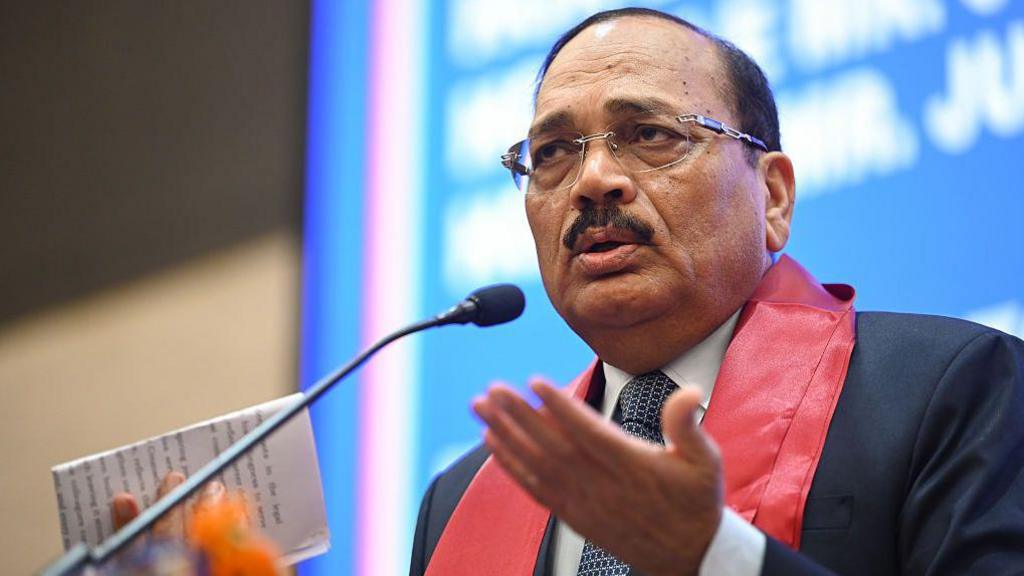
Government officials were silent until a meeting with Health Minister J. P. Nadda. He said the protest would be “dispersed peacefully” and promised to address the CJP’s concerns. The CJP spokesperson reported a brief dialogue, but no firm policy changes.
Opposition leaders, including Rahul Gandhi, condemned the violence, labeling Prime Minister Narendra Modi a “grave threat to India’s youth.” Gandhi’s Congress members marched to Modi’s residence demanding answers for the police aggression.
The CJP originated from a satirical critique of a chief justice’s remark that unemployed youths were “cockroaches.” The movement escalated after the National Eligibility cum Entrance Test (NEET) papers were leaked, sparking a national debate over exam security and transparency.
Allegations of police brutality have surfaced on social media, with footage showing officers clashing with protestors, including women crying while being struck. The police claim their actions were in response to “unruly” behaviour, but the CJP accuses them of initiating conflict.
The incident highlighted growing tension between civil society and law enforcement in India’s political centre. The CJP’s sustained presence at Jantar Mantar and calls for Prime Minister Modi’s resignation keep the debate alive.