In brief
Amidst the violence and poverty of Somalia, alcohol smugglers like Guled Diriye risk their lives to transport contraband from Ethiopia, navigating dangerous terrains and armed militia, all in a bid to support their families in a harsh economic landscape.
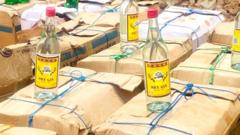
In the heart of Mogadishu, where remnants of colonial architecture tell a story of better days, 29-year-old Guled Diriye embodies the struggles of many Somalis turning to illicit trades for survival. Exhausted after another perilous trip transporting smuggled alcohol from the Ethiopian border, Diriye settles down in his weathered chair, his sandals stained with the orange dust of the desert. Somalia, dominated by Sharia law, strictly forbids the consumption and trade of alcohol. However, demand continues to surge, especially among youth, prompting a network of smugglers to emerge. Diriye’s journey into this dangerous world began when he was introduced to the trade by Abshir, a neighbor and former minibus driver, who fell on hard times as rickshaws replaced his livelihood. To Diriye, smuggling has become a necessary evil—an avenue to alleviate his family’s struggles amidst widespread poverty. He recounts how he initially became involved in picking up boxes of alcohol, unaware of the risks he would eventually confront. The illegal alcohol trade starts from towns in Ethiopia and sees its shipment through the porous borders into major urban centers like Mogadishu, creating significant economic opportunities despite the dangers.Rural communities, such as Galdogob, have notably been affected by the influx of alcoholic beverages. Sheikh Abdalla Mohamed Ali, a local tribal leader, cites the resultant violence associated with alcohol misuse as an ongoing concern. "It causes so many evils... it keeps putting out more and more, no matter what we do,” he remarked, highlighting the relentless nature of the trade.As Diriye transports the alcohol, hidden among legal goods, the stakes are high. Encountering checkpoints manned by various clan militias, he strategically navigates the network by ensuring everyone in his crew is from a different clan for increased safety. The risks are compounded with periodic attacks, highlighting the unpredictability of a venture where a moment’s decision can result in fatal outcomes.The tragic death of a team member during an ambush remains ingrained in Diriye’s memory, underlining the perpetual threat of violence. The harsh conclusion—leaving his colleague’s body by the roadside—haunts him as he struggles to reconcile his dangerous choices against his responsibilities towards his family.In the midst of such dangers, other individuals like 41-year-old Dahir Barre have joined the trade. With years of experience, Barre reflects on the increasing financial rewards of smuggling but acknowledges the ever-present dangers from both militias and al-Shabab insurgents, who impose severe punishments on those caught.Despite initial hesitance and former occupations, many, including Barre, have found themselves ensnared in a web of necessity, forced to balance meager earnings against the relentless threat of violence. “We face a lot of problems...but still continue to drive despite the risk due to the poor living conditions in Somalia,” he states, crystallizing the grim reality that many smugglers face.Traveling between seven to nine days to reach their urban destination, smugglers like Diriye engage in a complex networking system upon arrival to offload their cargo, moving it from truck to truck until it reaches local dealers. The cycle of violence and poverty perpetuates this cycle, as past participants see lives lost and futures altered in search of a temporary escape through illicit trade.Reflecting on his own precarious future, Diriye grapples with the choices made from desperation. “Death is something that is predestined. I can't let fear come in the way of making a living,” he solemnly concludes, a stark reminder of the choices dictated by economic despair and the haunting specter of violence that accompany a life of illicit survival in Somalia.