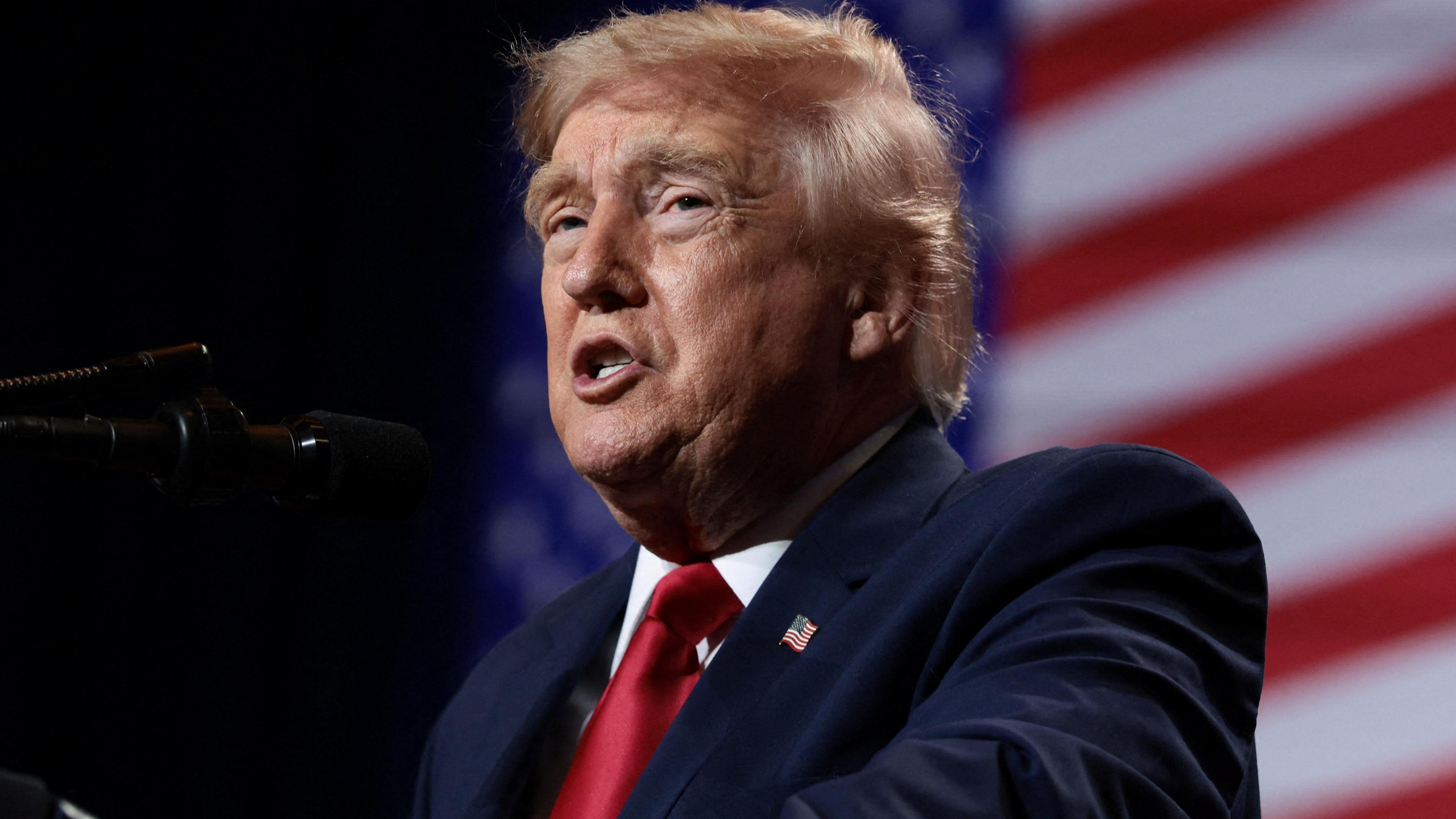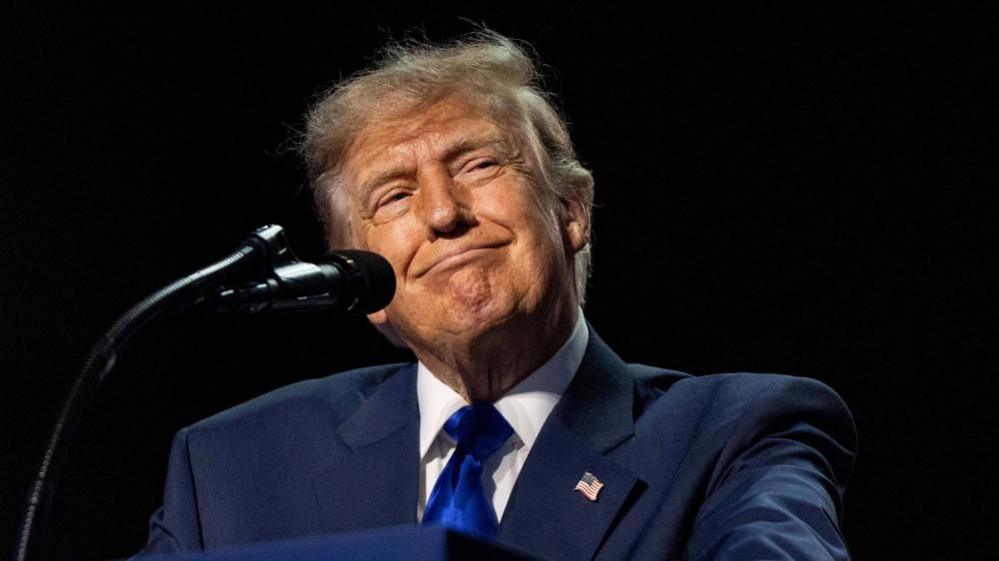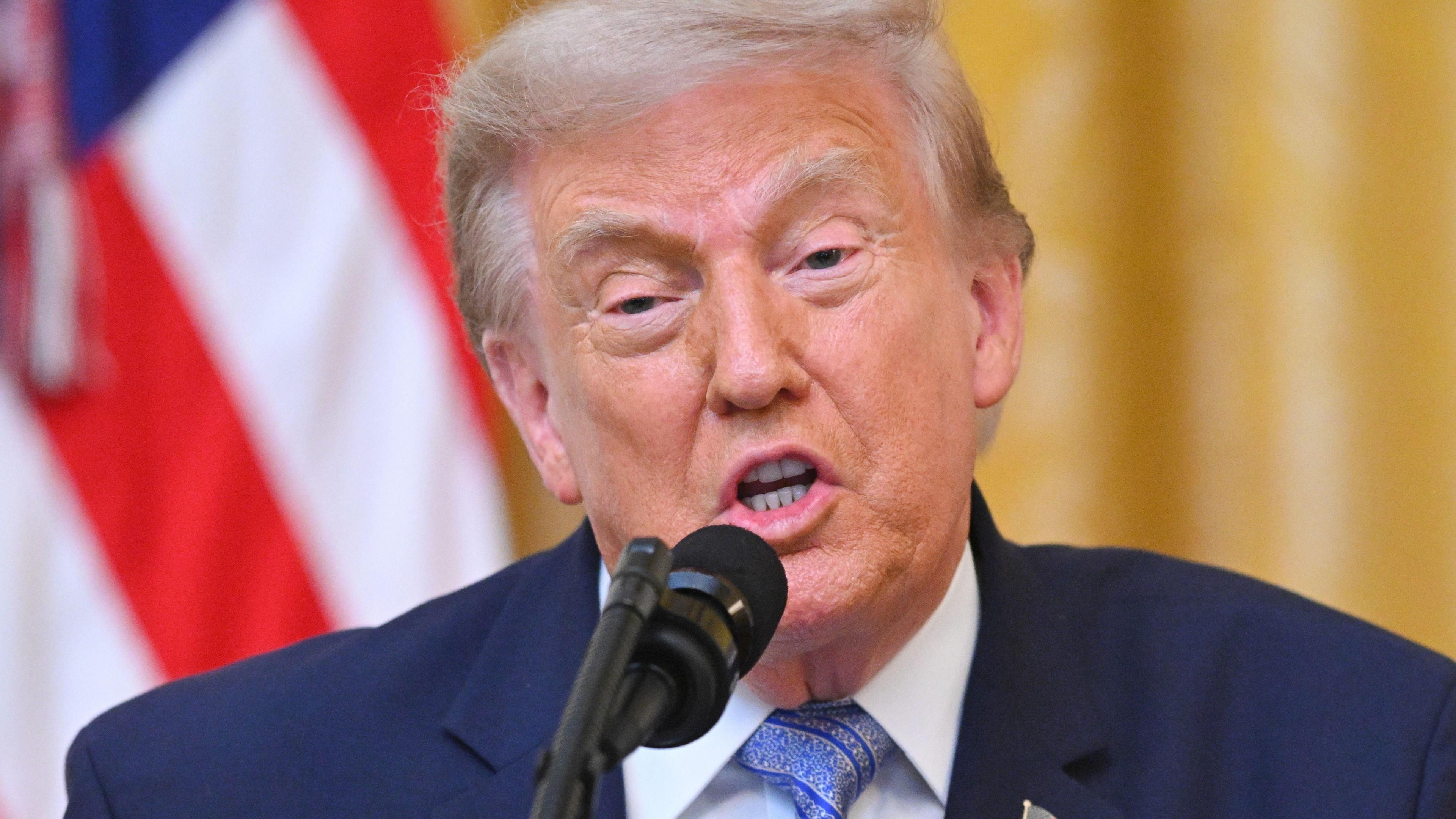
Donald Trump, speaking from the White House, claimed that China had illegally acquired 220 million U.S. voter files and that the American voting system is dangerously exposed to foreign interference. He tied this accusation to the 2020 election, though U.S. intelligence agencies have repeatedly concluded China did not meddle in that vote.
During the one‑half‑hour address—just three months before the 2024 midterm elections—Trump said he had declassified hundreds of intelligence documents supporting his claims. He warned that private data from 18 states had been “bought, stolen or hacked by China” and urged voters to ask their representatives to push for the SAVE America Act, a controversial election‑security bill that limits mail voting and requires proof of citizenship.
The Chinese Embassy in Washington responded immediately, saying Beijing “has never and will never interfere in the presidential elections.” The BBC highlighted the lack of evidence for direct influence on election outcomes, citing a 2021 National Intelligence Council report that found no interference by China in 2020.
Democratic leaders reacted strongly. Senator Chuck Schumer wrote that voters “choose their leaders, not the other way around,” and said Democrats would “fight like hell” to ensure every vote is cast freely. Former Vice‑President Kamala Harris took to social media, arguing the president’s remarks were designed to erode public confidence in the electoral system and detain voters.
Trump also mentioned a Michigan law‑enforcement investigation that uncovered a possible voter‑registration fraud scheme tied to a Democrat‑affiliated group. He noted that the FBI had held off on any action citing the statute of limitations, suggesting possible obstruction of justice.
The speech arrives amid concerns over the robustness of U.S. election infrastructure. While previous reforms after the 2016 Russian‑mediated interference addressed many vulnerabilities, issues around ballot design, software security, and foreign influence remain contentious political battlegrounds.
Whether Trump’s allegations signal genuine vulnerabilities or serve as a political gambit remains disputed. The intelligence community’s findings and the absence of concrete evidence of foreign manipulation supply a counterpoint to these claims. Nonetheless the remarks have amplified anxieties among voters and civil‑society groups about the integrity of the upcoming midterm elections.