In brief
President Donald Trump has withdrawn plans to stream the firing‑squad execution of Nidal Hasan, the former army psychiatrist who killed 13 soldiers and injured 32 in 2009. Afghan‑born Hasan will still face death on 3 December 2026, but the event will not be televised. The decision follows criticism from the United Nations, human‑rights organisations and American citizens, though the Pentagon maintains the legal right to lift the livestream ban. Family members of the victims have urged an open view of the proceedings, while legal experts warn that the move could erode transparency in military justice. The debate underscores tensions between deterrence, public accountability and international norms on visible executions.
In a surprise move, former president Donald Trump announced on Truth Social that plans to broadcast the firing‑squad execution of Nidal Hasan, the former army psychiatrist who killed 13 U.S. soldiers in 2009, would be dropped. The execution, set for 3 December 2026, will proceed in person but will no longer be streamed online.
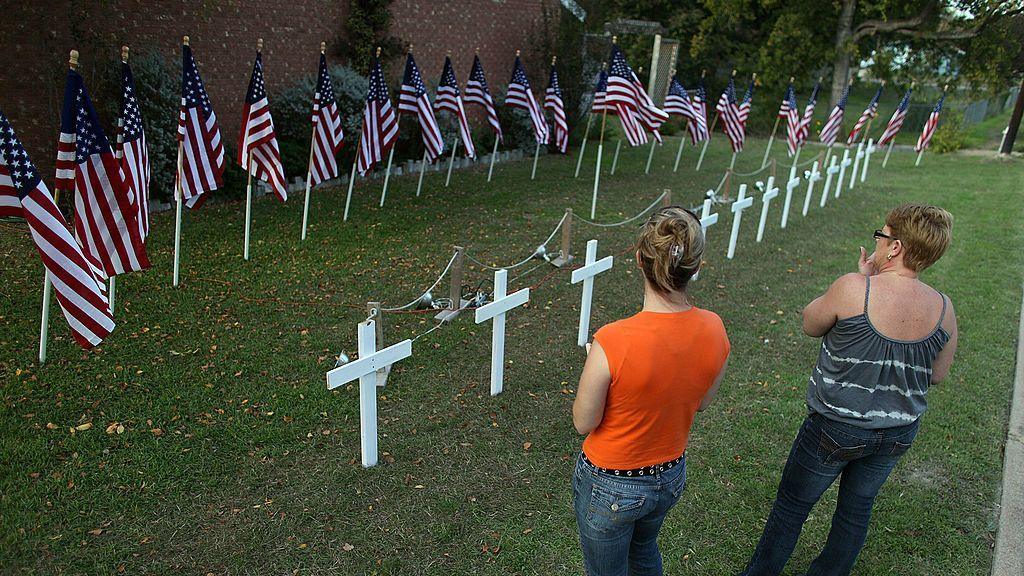
Hasan, a U.S. citizen by birth, shot members of the 3rd Armored Brigade at Fort Hood in Texas on 5 November 2009, claiming he was acting to protect Muslims and the Taliban in Afghanistan. He was convicted in 2013, sentenced to death by firing squad – the first U.S. military execution in over six decades – and remains in solitary confinement due to a spinal injury that left him paralyzed from the waist down.
Trump’s reversal followed mounting criticism. “Many very good and well‑meaning people would rather not watch him die,” he wrote, adding that the event would “not be streamed.” He later reaffirmed that he had "absolutely approved" the plan, noting that the Pentagon was still “making a determination.” However, he continued to describe Hasan as "totally nuts" and asserted that "death penalty is a very worthy way of going for him."
The United Nations called the plan “abhorrent,” and a coalition of human‑rights groups cautioned that a public execution would violate international law and foster a culture of state spectacle. In contrast, the Pentagon’s spokesperson stated that Secretary of Defense Pete Hegseth supports the President’s decision and that both sides remain aligned. Hegseth emphasized that the public must understand the “serious consequences for these types of things.”
Legal scholars point out that U.S. military law requires presidential approval for execution methods and that appellate review will still take place. A lawyer representing Hasan, John Galligan, remarked that the livestream proposal violated Army regulations and that the Army is now in a process of 'cleaning up the mess.' He added that the decision could leave a lasting stain on military justice transparency.
Families of the Fort Hood victims have expressed mixed reactions; some support the right to witness justice in person, while others caution that a livestream could inflict further trauma on bereaved servicemembers’ relatives. The debate underscores a broader tension between deterrence strategies, public accountability, and evolving norms around visible capital punishment worldwide.