
In brief
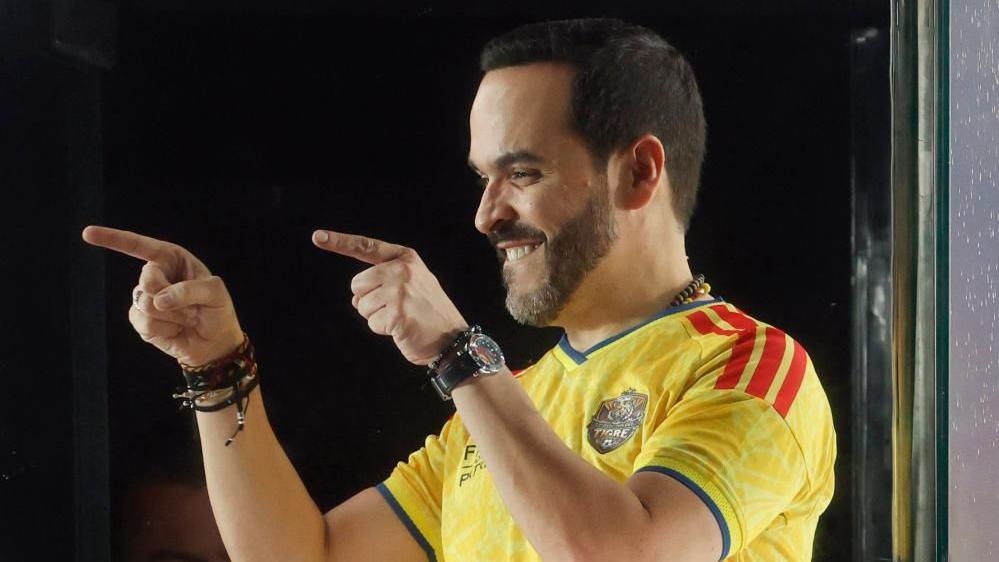
The United States’ former president announced his optimism about a robust partnership with Colombia after preliminary data revealed Abelardo de la Espriella’s narrow lead over Iván Cepeda in the presidential runoff. Trump had previously backed de la Espriella and denounced Cepeda as a radical left‑Marxist. In a candid comment on Truth Social, Trump pledged to work closely with Colombia to fight drug trafficking and acknowledged the potential for U.S. military bases. The new president, scheduled to take office on 7 August, has vowed to crackdown on gangs while citing constitutional limits, addressing concerns raised by voters wary of past abuses. These remarks arrive amid a tense history of diplomatic insults between the U.S. and former Colombian President Gustavo Petro, who was criticized by Trump for his immigration stance and was accused of supporting drug cartels.
Former U.S. President Donald Trump announced that his administration would welcome a "much better relationship" with the South‑American nation following the preliminary vote count that saw right‑wing candidate Abelardo de la Espriella edge out left‑ist Iván Cepeda by a mere 0.96 percentage point in the presidential runoff.
In a post on the Truth Social platform, Trump echoed his early campaign endorsement of de la Espriella, saying the Colombian candidate had "won easily" and that he was eager to cooperate with a new administration that would help the U.S. fight drug trafficking on the continent.
The preliminary result—official but not legally binding—was the narrowest in Colombian history, and Cepeda, who has not yet conceded power, has called for a vote cross‑checking that normally takes several days to complete.
Trump had previously branded Cepeda a "radical left Marxist," while also taking a combative stance towards former Colombian President Gustavo Petro, whom he called a "sick man" and a "drug‑trafficking leader." Petro, in turn, accused Trump of fashioning his immigration policies in a manner reminiscent of Nazi regimes. The two leaders have traded insults in the weeks preceding the Colombian election.
During the campaign, de la Espriella promised to adopt a hard‑line stance against drug‑trafficking gangs, to dismantle criminal organisations that have long crippling parts of Colombian society, and to cooperate closely with the United States. His platform includes joining the "Shield of the Americas," a U.S.–led coalition aimed at combating cartels across Latin America, which Petro had criticised in his comments about the inaugural summit held in Miami.
Voters who backed Cepeda questioned whether the new administration would exacerbate past human‑rights abuses such as the "false positives" scandal, in which more than 6,400 civilians were killed and falsely reported as guerrillas during Colombia's military conflict. In his televised victory speech, de la Espriella pledged that, while he would crack down on drug traffickers and "bandits," he would do so within the limits of law and constitution.
The new president will assume office on 7 August, after which the U.S. and Colombia are expected to realign their strategic partnership more firmly in the fight against narcotics and transnational crime.


