
In brief
In the wake of a Supreme Court ruling that struck down his 2025 attempt to eliminate birthright citizenship, President Donald Trump signed two new executive orders aimed at tightening the policy. One order broadens the definition of non-citizen parents who cannot automatically confer citizenship to a U.S.-born child, targeting individuals linked to terrorism, fraud or foreign government service. The second order bans so‑called birth tourism, drawing ire from supporters of an open immigration system. While Trump argues the measures protect the nation, legal scholars caution that existing constitutional guarantees may still shield children born in the U.S. from such restrictions.
Trump Announces New Executive Orders on Birthright Citizenship
President Donald Trump signed two executive orders on Thursday, asserting that the U.S. will no longer automatically grant citizenship to children born on American soil to non‑citizen parents. The move follows a Supreme Court ruling in June that rejected his earlier 2025 bid to end the birthright citizenship provision of the Fourteenth Amendment.
The first order expands the categories of non‑citizen parents whose U.S. birth does not confer citizenship. It explicitly excludes parents who are members of foreign terrorist groups, foreign government employees, individuals who have engaged in fraudulent immigration, or those residing in U.S. territories where federal law does not grant citizenship.
Trump’s second order targets what he calls "birth tourism"—the practice of foreign nationals who travel to the United States while pregnant, with the intent of having a child that automatically attains U.S. citizenship. He cited estimates that 22,000 to 26,000 babies are born each year in the U.S. through such arrangements, though federal data for 2024 showed 9,600 births to mothers with foreign addresses.
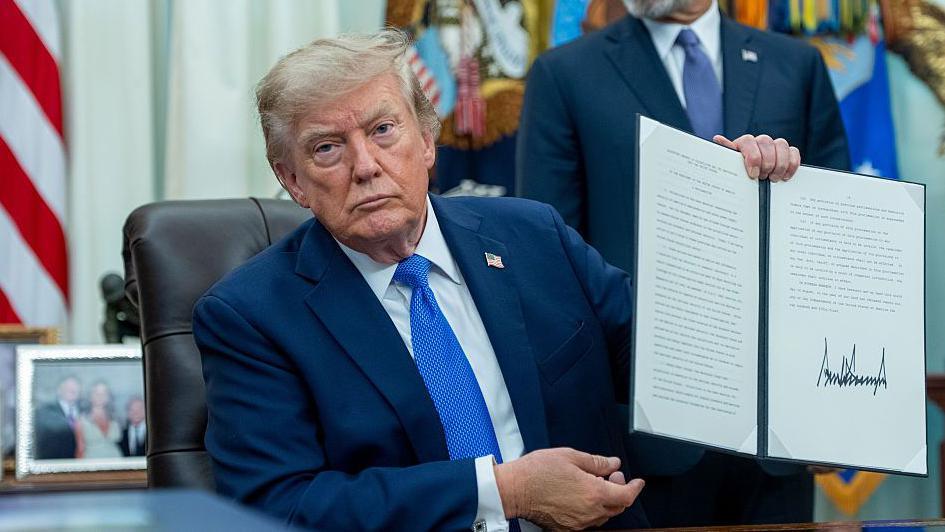
In a brief Oval Office address, Trump declared "this should have happened years ago, but we're taking care of it now," criticizing the Supreme Court decision and stating that his administration is "guarding against the risks posed by malign foreign actors who attempt to swindle American citizens by taking advantage of the generosity of our Nation.”
Experts offer a mixed assessment. Professor Gabriel Chin of UC Davis noted that while the president can restrict the entry of people intent on having a child in the U.S., once a child is born, the law does not allow the executive branch to strip citizenship. He added that "birth tourism is a drop in the bucket against the millions of births in the U.S.", stressing its relatively modest impact.
Supporters of the orders argue they protect national security and public resources, whereas critics warn that the measures could undermine the constitutional guarantee of citizenship for those born within the United States and may disproportionately affect families seeking legitimate avenues for service and participation in American democracy.


