Trump Threatens Tariffs on Canada as Wildfire Smoke Shrouds U.S. Cities
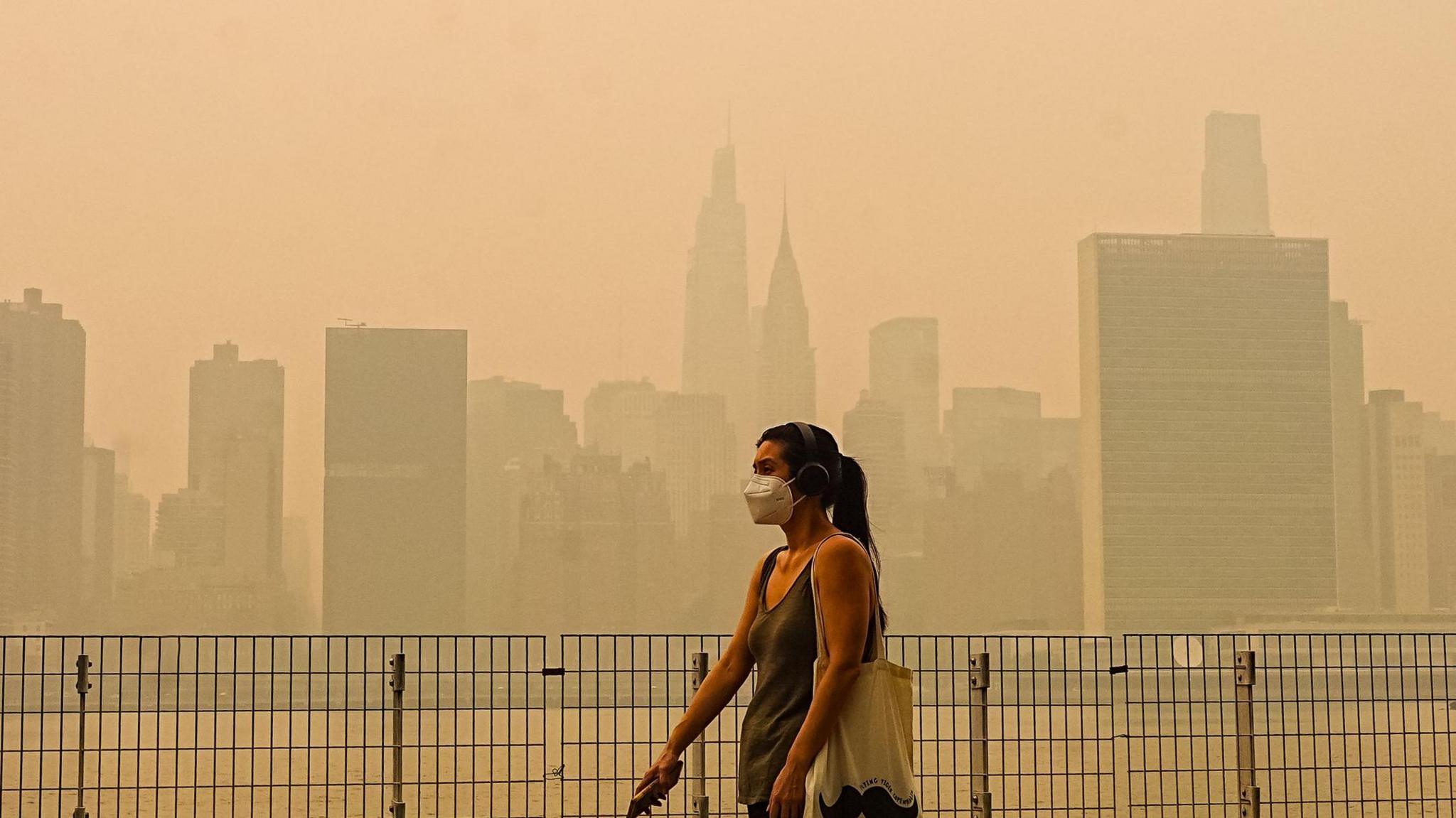
U.S. President Donald Trump has threatened to impose new tariffs on Canada after hundreds of wildfires left much of the northern U.S. covered by a blanket of smoke.
The threat follows complaints by U.S. lawmakers over the wildfires and Ontario's premier Doug Ford asking the U.S. to provide aid instead of criticism.
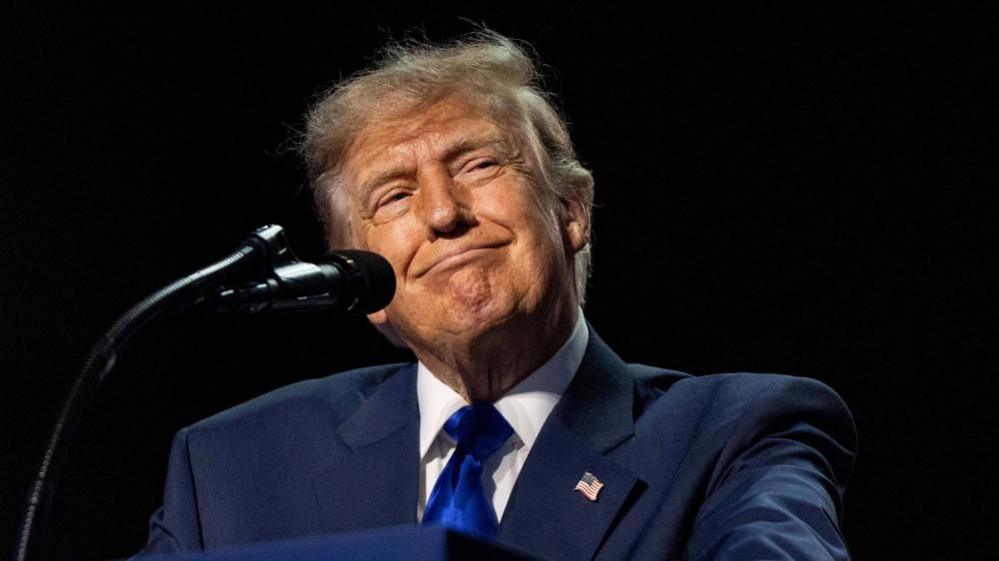
"The United States is being unnecessarily invaded by filthy, polluted, and unhealthy air," Trump said, warning Canada of “willful negligence.”
There were about 955 active fires in Canada as of Saturday, the majority out of control, according to the Canadian Wildland Fire Information System.
At least 190 of those blazes were in Ontario, prompting the Premier to suggest that Canadian vigilance and investment must improve.
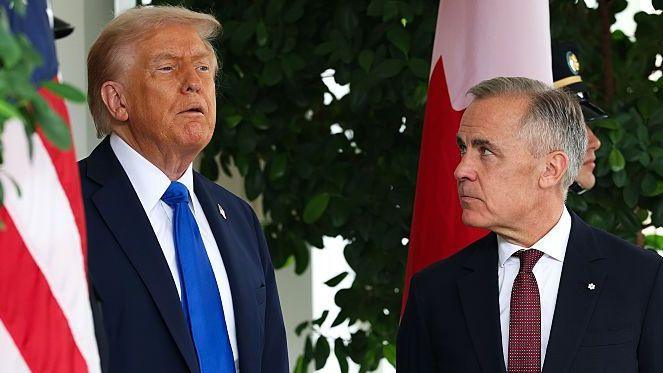
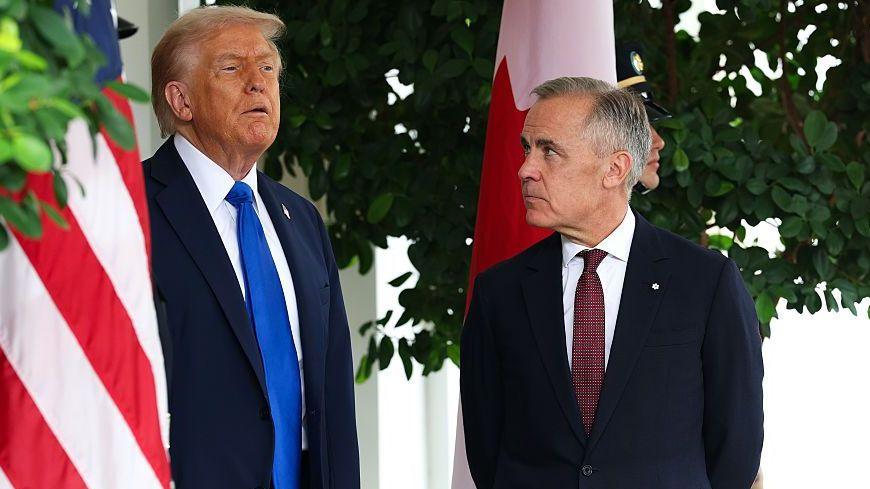
Trump said he would contact Prime Minister Mark Carney to demand an explanation over what he called Canada’s failure to properly maintain forests and brush.
Canada, meanwhile, noted that it has invested roughly 12 billion Canadian dollars in forest sustainability and fire prevention since 2018.
Carney’s emergency‑management cabinet manager explained that the two countries share a long tradition of cooperation, including a reciprocal firefighting agreement from 1982 and another from the 2025 G7 summit.
In the face of rising smog‑filled skies, U.S. lawmakers said that the country could step in directly if Canada fails to act, citing chronic under‑investment in forest management and enforcement against arson.
Scientists, however, warned that climate change, hotter dry conditions, and lightning‑sparking fires in Canada’s remote forests are driving the current crisis, yet it cannot be pinned solely on Canadian negligence.
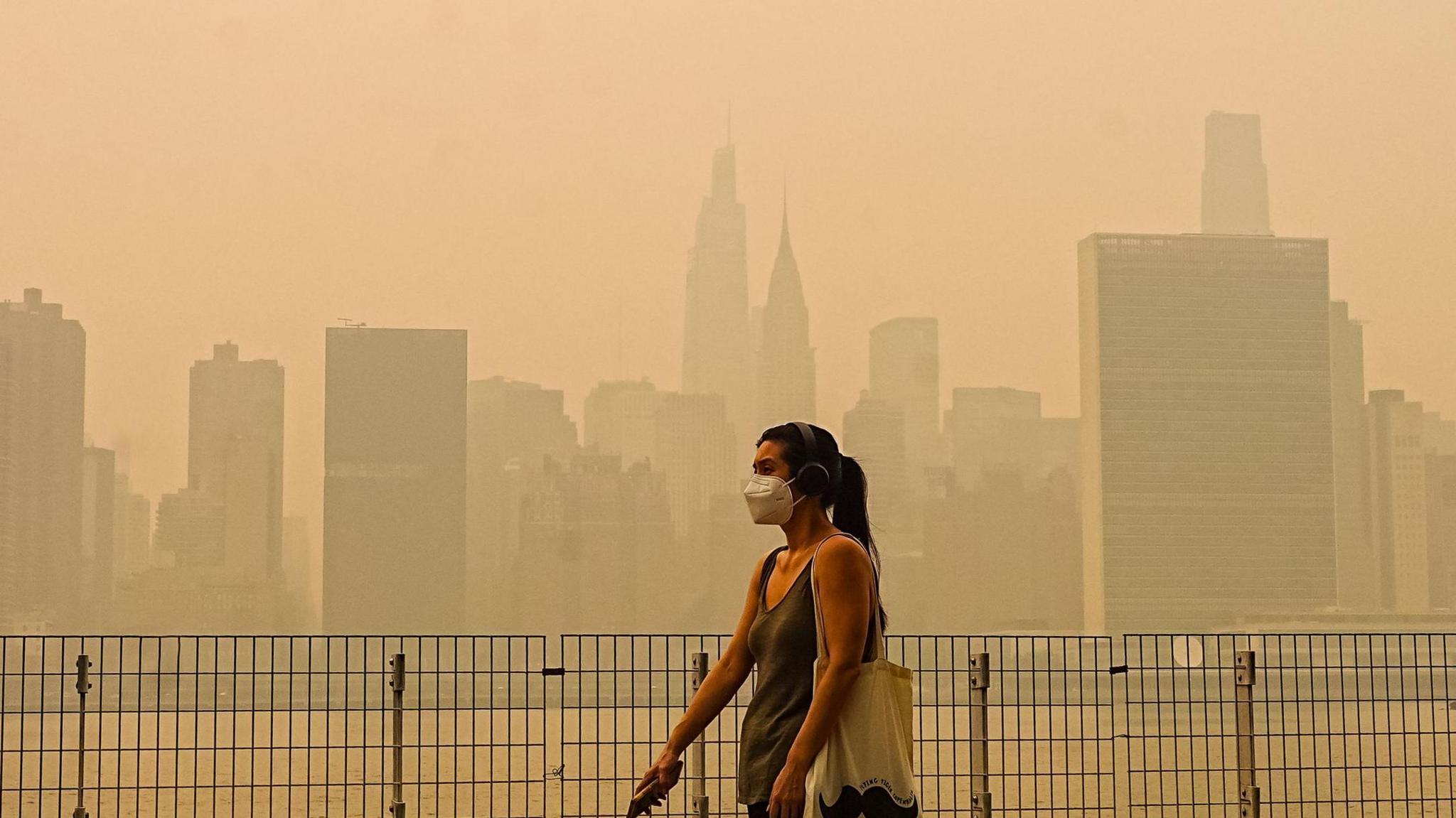
The smoke has permeated major U.S. cities such as New York, Washington D.C., Chicago, and Detroit, leading to canceled outdoor events and official air‑quality alerts across the continent.
Ontario Premier Ford condemned U.S. criticism as a “shame” and reminded that Canada has historically assisted U.S. neighbors with wildfire suppression and hurricane response.
In a statement, Ford said he’s dispatching over 80 water bombers, helicopters, and more than 150 fire crews to fight the blazes.
The escalating situation extends to First Nations communities that have endured complete devastation, with several evacuations and rescue efforts.
IQAir tracker reported that Detroit had the world’s worst air quality, followed by Chicago, Washington D.C., and New York.
As the Canadian wildfires continue, U.S. leaders anticipate the possible delay of the Gordie Howe International Bridge opening and reignite speculation about making Canada a U.S. state.
Over the weekend, the United States added that it would keep close communication with Canadian provinces and local communities, and that stockpiling of firefighting resources remains ongoing.