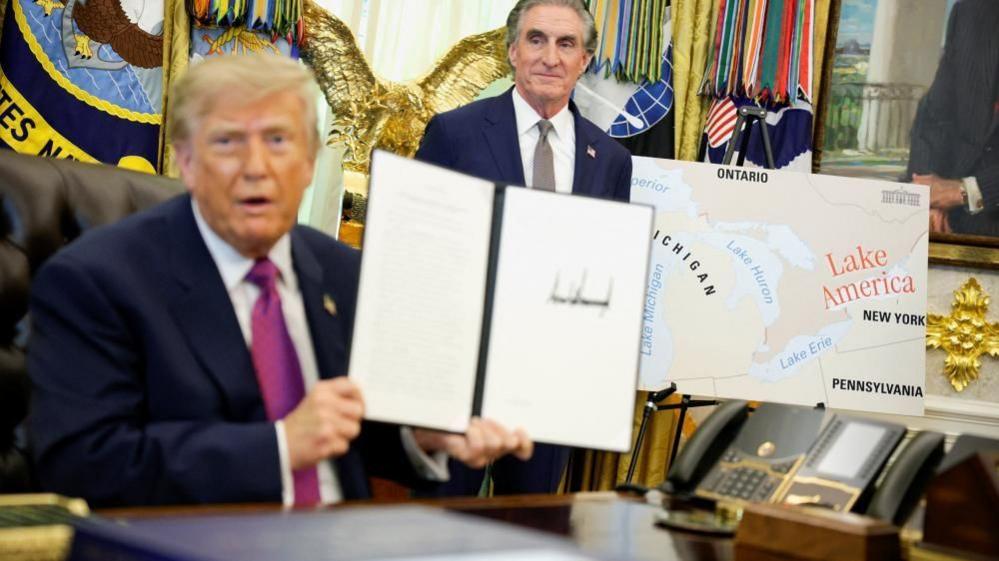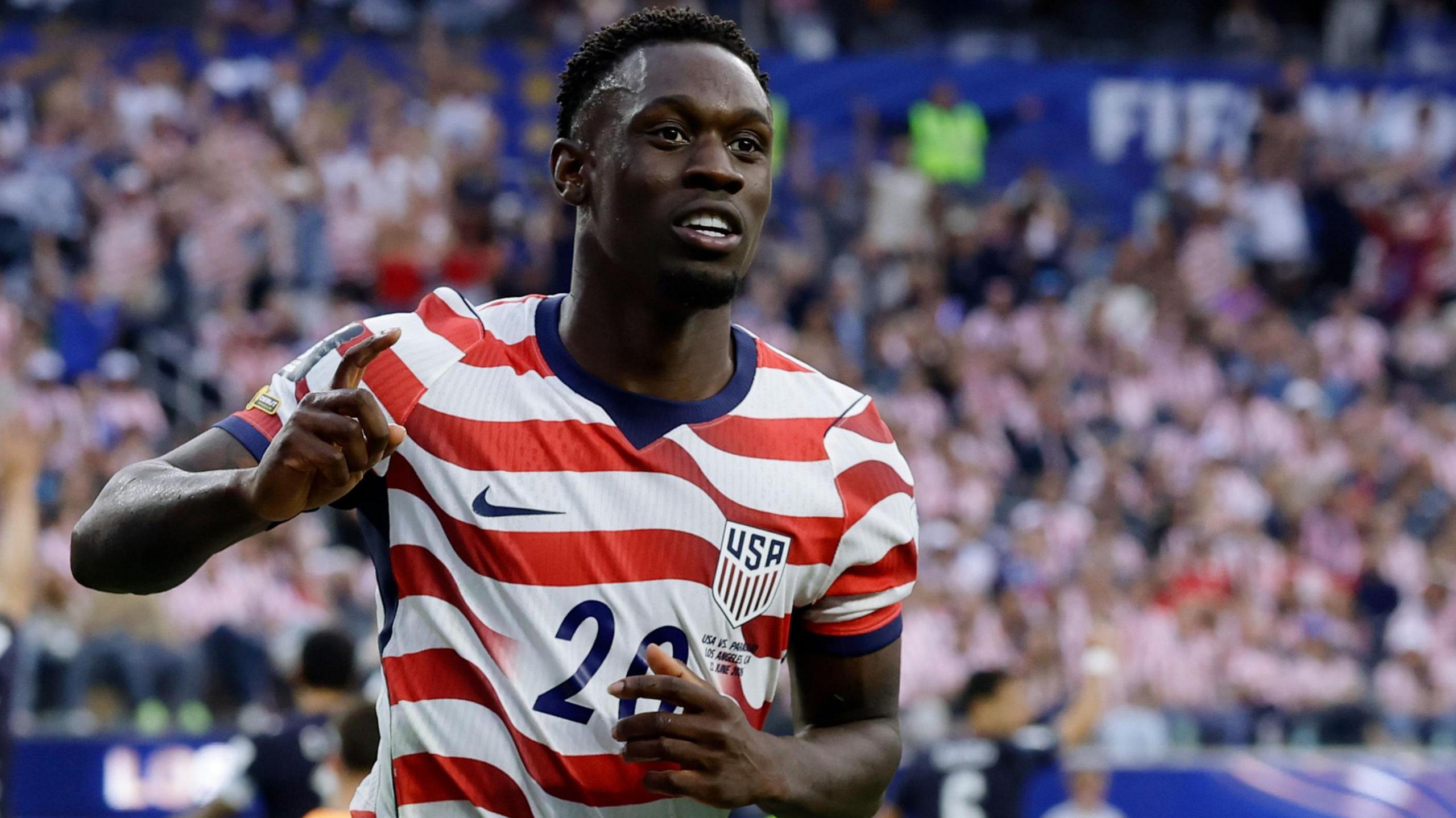
President Donald Trump will shortly be sworn in as the United States president and the timing of his announcement comes at a time of heightened politics and tournament‑wide drama on the global football stage. In a televised speech from the White House, Trump confirmed he had asked FIFA to review the sanction imposed on United States striker Folarin Balogun following the red‑card decision in the last‑16 match against Belgium.
Balogun, 25, was set to be suspended for the next fixture after a straight dismissal for a tackle on Bosnia‑Herzegovina defender Tarik Muharemovic during the previous round. A FIFA decision on Sunday overturned the automatic one‑match ban, allowing Balogun to be selected to play in Seattle.
FIFA’s intervention was perceived by some stakeholders as a breach of football’s governance rules, with UEFA describing it as a ‘red line’ that may set a dangerous precedent. The Royal Belgian Football Association, for their part, issued a statement of astonishment, arguing that the integrity of fair competition should be upheld regardless of external influence.
Among fans, reactions have been mixed. Supporters of the United States celebrate Balogun’s return as a boon for the team’s hopes while many in Europe lament what they see as political pressure undermining the sport’s autonomous decision‑making. Meanwhile, commentators from a range of countries have debated whether the intervention was justified on sporting grounds or primarily an act of political posturing.
The debate highlights several layers of governance: the autonomy of FIFA and UEFA, the role of national governments in sports, and the emphasis on equitable treatment across all member associations. Regardless of the outcome, the decision underscores the global nature of football and the delicate balance that must be maintained between politics and sport.