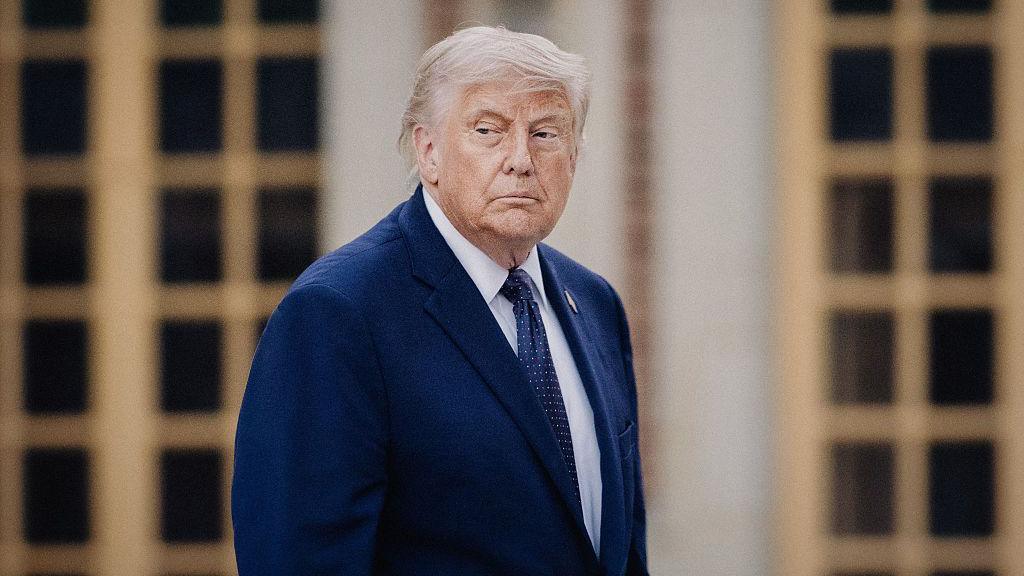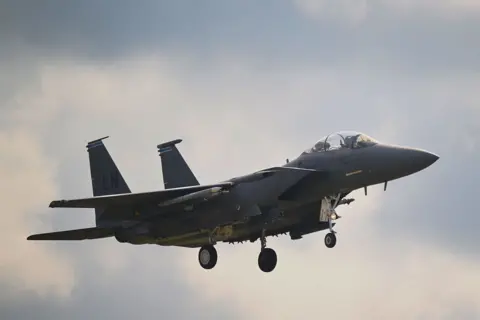
President Donald Trump previously asserted that Iran could not challenge US military operations, indicating a belief in American air superiority. However, the recent downing of a F-15 Eagle suggests a significant capability within the Iranian defense forces, challenging Washington's narrative about air dominance in the region.
The search effort for the missing weapons systems officer has intensified, fueled by reports that Iranian troops are actively searching for him, offering substantial rewards for information leading to his capture. The dynamics of this situation threaten to evolve into a broader confrontation, with potential consequences for both nations.
As US forces attempt to navigate the complexities of conducting rescue missions without escalating tensions further, the geopolitical stakes have raised concerns among lawmakers. Calls for withdrawing troops are juxtaposed with urgent pleas for humanitarian treatment of any captured personnel.
If the missing airman were to be captured, it would not only serve as a political embarrassment for the US but could also resurrect memories of past crises involving American hostages. This scenario presents a pivotal moment for the administration, which may need to weigh military action against the potential for diplomatic negotiations.
As military operations ramp up and the US continues to build its presence in the region, observers are concerned about the implications for future engagements and the risk of entangling the country in another prolonged conflict. The unfolding events around the search for the missing airman underscore the precarious nature of US-Iran relations, signaling a potentially defining moment in the ongoing tensions between the two nations.